Longevity News Blog

Jump To

Dentist examining a patient's teeth with a dental tool under bright light.

My Oral Care Protocol

Good oral hygiene may not only protect your teeth… but your whole body.
Bryan Johnson sitting on a couch surrounded by fast food, chips, and soda while looking at his phone.

Is Sitting Really That Bad for You?

Sitting for 11 hours/day increases your risk of death by 48%.
Close-up of a person's face with foamy facial cleanser lather covering the skin, eyes closed.

How to Keep Your Skin Young

Skin starts aging in your 20s—here’s how to slow it.
Bryan Johnson sitting in front of a 10,000 lux light therapy device for morning circadian rhythm support.

My Morning Routine (2026)

I follow these 13 steps every single morning.
Bryan Johnson sleeping peacefully on his side, wearing a fitness tracker on his wrist.

How to Get More Restorative Sleep

Sleep deprivation might be the new smoking.
Bryan Johnson holding a healthy bone in one hand and an osteoporotic bone in the other to show the difference.

Bone Density for Longevity

Maintaining bone density lowers your risk of death.
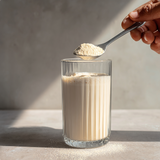
Glass of water and a metal scoop of creatine powder on a kitchen counter.

The Brain Benefits of Creatine

You don’t need to be a bodybuilder to get the brain benefits of creatine.
Hand resting on a wrist, taking a pulse to measure heart rate before sleep.

Bryan Johnson's #1 Health Tip

A lower HRBS tonight means better sleep tomorrow. Better sleep tomorrow means a lower heart rate tomorrow night.
Dropper applying hair serum to the scalp at the hairline.

Top 5 Hair Loss Treatments

Hair loss starts quietly—early action matters most.
Bryan Johnson outdoors holding a UV-blocking umbrella and wearing sunglasses for sun protection.

Why I Avoid the Sun

Sunlight can heal or harm. Here’s how to get the benefits without the damage.
Close-up of clear ice cubes.

Does Bryan Johnson Cold Plunge?

Sometimes the most important thing for your health is what you don’t do.
Woman in a blue shirt stretching her arms overhead against a clear blue sky.

Longevity Protocols for Women

Women get more time, but the quality of that time drops faster.
Bowl of nutty pudding topped with strawberries on a marble surface, with the words 'Nutty Pudding' overlaid in white text.

Nutty Pudding Recipe

Nutty Pudding is designed for whole-body health. It also happens to be delicious.
Digital alarm clock displaying 6:30 AM on a wooden surface.

Tips for Daylight Saving Time

How to start preparing now to minimize the negative effects.
Bryan Johnson seated on a couch with a vertical posture line measurement extended above his head.

How to Fix Your Posture: 5 Habits

Learn how improving your posture can restore blood flow, boost energy, and clear brain fog.
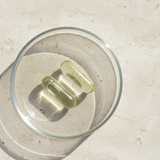
Omega-3 capsule from algae in a clear glass dish.

Why Your Body Loves Omega-3

Low omega-3 levels are linked to up to 20% higher mortality.
Kate Tolo and Bryan Johnson on an airport escalator with luggage, traveling.

How to Beat Jet Lag

Jet lag is worse than you probably think. We can’t always avoid it, but we can minimize it.
Bryan Johnson standing in front of a hyperbaric oxygen therapy (HBOT) chamber.

Is HBOT Worth the Hype?

One of the highest value health therapies I’ve ever done.
Bryan Johnson dressed in red striped pajamas, sleep cap, and sunglasses, holding a glass of water.

10 Habits for Sleep

If you only do one thing for your health: sleep.
Psychedelic kaleidoscope graphic featuring multiple repeating images of Bryan Johnson's smiling face.

Magic Mushroom Biomarker Results

Testing psilocybin across 249 biomarkers revealed surprising early results.
Cluster of dried psilocybin mushrooms on a stone surface.

I took Shrooms for Science

A few months ago my science team and I stumbled across something very interesting: magic mushrooms may be beneficial for health.
Side profile of Bryan Johnson showing his ear in detail.

Hearing Protection Protocol

There’s a misconception that hearing aids are for old people.
Microscopic image of a freshwater hydra organism with extended tentacles.

You Might be Immortal by 2039

Freshwater hydras are effectively ageless. For the first time, humans might be too.
Bryan Johnson sitting inside a sauna with a digital temperature display visible on the wall.

My #1 Longevity Protocol of 2025

Sauna is one of the most efficacious longevity protocols I’ve ever done.
Bryan's Blueprint Protocol Stats

Bryan Johnson's Protocol

We might be the first generation that doesn't die.
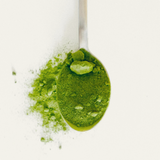
Bowl of bright green matcha powder with a wooden spoon and whisk on a stone surface.

Is Matcha a Longevity Protocol?

Matcha supports focus, stress resilience, and longevity—but quality matters, especially when it comes to heavy metal exposure.
Biological Age diagram

Test Your Biological Age for $0

Your body can tell you how old you really are.
WIRED Profile: Bryan Johnson

WIRED Profile: Bryan Johnson

Originally published in WIRED on July 21, 2025
Sperm Health protocol

My Sperm Health Protocol

My sperm count is over 4× the average. At age 48.
Grandfather father and son family dynamics
Bryan Johnson working out combatting dad-bod
Data of sauna impact on biological age

Can sauna reduce biological age?

I’m 48, but my vascular age measures 30. Sauna is supposed to improve it—so I’m tracking the data to see if it works.
My Birthday Happens Every 2 Years

My Birthday Happens Every 2 Years

I have the world’s slowest speed of aging.
Bryan Johnson packing travel essentials
Dry sauna room

The Hot Truth about Finnish Saunas

Hi Friends, Dry sauna is likely superior to wet sauna  Dry (Finnish) sauna delivers low-humidity heat, so your skin hits 40 °C in minutes while core creeps up only ~1 °C. That gradient shunts up to 70 % more cardiac output to the skin, mimicking moderate-intensity cardio without moving a muscle. 1. Enhanced Blood Flow: The heart pumps up to 70% more blood, similar to intense aerobic exercise (zone 3), with 50-70% of this increased flow re-directed to the skin, promoting vasodilation and improved skin circulation. 2. Increased sweating and detoxification: To maintain a stable core temperature, the skin produces 0.6-1 kg of sweat per hour, facilitating significant detoxification. 3. Improved heat tolerance: The body becomes better at handling heat, leading to a lower core body temperature (offering metabolic advantages) and an increased capacity for efficient sweating in hotter climates.   4. Activation of heat-shock proteins: The skin experiences substantial heat shock protein activation, while a modest 1°C increase in core temperature is sufficient to activate these proteins without the risk of hyperthermia. 5. Longer exposure at higher temperatures: dry saunas are more tolerable for longer durations and at higher temperatures, allowing users to maximize the benefits at minimal risk. Keep calm and sauna on,  Bryan
The 3 power laws to have more energy, think more clearly and sleep better.

The Three Power Laws of Health

Hi Friend, Today is World Health Day.I want to share something simple, but powerful: the 3 Power Laws of health. If you do these three things, you will:  Have more energy. Think more clearly.Sleep better. Let’s begin. Power Law 1: Sleep Reframe your identity.You are no longer someone who tries to get better sleep.You are a professional sleeper. That means you don’t sleep when it’s convenient. You don’t sleep after your show ends, or after finishing up some late-night emails, or after one more scroll through social media. Treat sleep as a craft, something you continually improve. It’s the foundation of every other part of your life. If you get your sleep right, everything else becomes easier. Here are 5 things to do immediately: 1. Eat earlier. Eat lighter.If your bedtime is 10 p.m., have your last meal by 8 p.m. Then push it to 7. Then try 6. Then 5. Find what works for you.You will quickly learn: the earlier and lighter you eat, the better you'll sleep. 2. Build a wind-down routine.Your body can’t go from hyper-focused work or buzzing social energy straight into sleep mode. It needs a transitional wind down phase. One hour before bed, shift your state. Screens off. No scrolling.Turn to breathwork, meditation, reading, stretching, or a walk. You’re sending your nervous system a signal: it’s time to slow down. 3. Adjust your lighting. Bright white lights signal alertness.If you want to fall asleep fast, switch to red light in the evening.I’ve replaced lamps in my house with red bulbs. They’re incredibly effective. The mood calms. Everyone winds down. 4. Stick to your bedtime.Routine is everything.If your bedtime is 10 p.m., aim to go to bed within 30 minutes of that every night. Deviate, and your body gets confused. Sleep quality suffers.Even with the same number of hours, inconsistent timing reduces sleep efficiency and recovery. 5. Avoid stimulants.This one is obvious but easy to overlook.If you're going to bed at 10 p.m., be mindful of your caffeine intake. Caffeine has a half-life of ~6 hours. A cup of coffee at 4 pm means that half a cup of coffee is in your system at 10 pm. Don’t let a badly timed coffee ruin your night. Power Law 2: Exercise When you sleep well, you feel well.When you feel well, you move well. And when you move, you feel even better. That’s the loop we’re building. Start here: Move your body for 30 minutes a day. This could be walking, running, swimming, strength training, biking. Anything that gets your heart rate up. Break up your day with movement. Every 20 - 30 minutes, get up. I do this constantly: stretch, take a few steps, reset. Moving your body throughout the day is just as important as your structured workouts. From here, you can go deeper. There’s an infinite rabbit hole of protocols, programs, and progressions.But the basics are the basics: Be active every day. Move every hour or so. Your body craves movement. Give it what it needs. Power Law 3: Diet Now, this one’s complicated. Because food is emotional.We use it to self-soothe.We use it to celebrate.We use it when we feel stuck. I know this firsthand. I was trapped. If you're struggling here, I see you. That’s why diet is Power Law #3, not #1. When you're well-rested and moving, you naturally want to eat better.If you're sleep-deprived and sedentary, your cravings take over. So here’s the truth: 1. Never rely on willpower. If there’s a time of day you always cave, for example, 7 p.m. that may include cookies or other late-night snacks, you can use a system for strength instead of willpower. Don’t wait until you're in the danger zone to decide. Decide ahead of time.You’re someone who doesn’t eat cookies at 7 p.m. Period. Make it a rule. Not a debate.2. Fire your worst self.For me, it was Evening Bryan.From 5 p.m. to 10 p.m., he was guaranteed to overeat. Every single day.So I fired him.I made a rule: no food after 5 p.m.It wasn’t about self-control. It was about self-preservation.You might not need that exact rule. But you probably know which version of you needs to be fired.3. Eat the Don’t Die Food Guide..Healthy fats. Quality proteins. Lots of plants. It’s not about being perfect. It’s about being directionally correct, consistently. Follow the Don’t Die Food Guide here.4. Avoid the obvious traps.Too much sugar. Too much alcohol. Smoking. You know what they are.You don’t need me to tell you. But you do need to decide where your standards are. And stick to them. We live in a world where personal health is insanely hard. I know; I’ve felt hopeless and helpless too. But now, I have systems. If you’re reading this right now, eating junk food, feeling off track, that’s okay.You’re here. You’re trying. That’s what matters. We’re building a community for a new societal norm of health.Where being healthy is normal.Where we support each other in the micro-moments. So when you’re about to give in, don’t just think about yourself. Do it for everyone else. Because when you make the right choice, others will too. And when you cave, we all feel it. Final word:You don’t need to be perfect. You need to be committed. These 3 Power Laws are your foundation.Master them, and you’ll become the happiest, healthiest version of yourself. Then we can start playing with all the cool stuff on top. But first:Don’t do it. I’m telling you. Don’t cave. Not tonight. Be well,Bryan
Bryan Johnson 100% Sleep Score

How To Achieve A 100% Sleep Score

Hi Friend,Sleep is the most common thing I get asked about.People want good sleep and try to get good sleep, but are frustrated by the difficulty. Sleep is the most powerful drug available – for performance, mental health, and well-being. After years of experiencing the same challenges, I figured out how to reliably get high-quality rest. I achieved the best sleep score in the world. Eight months of perfect sleep. Here is how you do it. 1. Build your life around sleep.Right now, sleep is an afterthought in culture. When you're done watching your movie. When you're finished with work. When you feel like it. You need to treat sleep with the same level of seriousness and devotion as you do your work. It demands your best performance. 2. Consume your final meal at least two hours before bed.If your bedtime is 10 PM, finish eating by 8 PM. Then day by day, move it back by 30 minutes. By the end of the first week, you're having your final meal of the day at around 5 PM. Do this to lower your resting heart rate. You're giving your body time to digest food and prepare for sleep. The lower your resting heart rate, the better your sleep. 3. Avoid blue light before bed.An hour or two before bed, try to avoid blue light. That means turn off screens, or eliminate blue light from your screens (there are apps and settings to do this on computers and mobile devices).Instead, turn on red and amber lights. Light can significantly affect your readiness to fall asleep. 4. Create a wind-down routine.You can't just finish work and put your head on the pillow and expect great sleep. You need to calm your body and mind down. You need separation from work. Read a book, go for a walk, do a breathing exercise, take a bath, meditate, or journal. 5. Consistency.The body loves routine and will reward you with powerful sleep performance. Go to bed within +/- 30 minutes of your chosen bedtime every single day. Create the habit and stay with the habit. I have a routine where I maintain an internal dialogue, breaking myself into various characters: "Ambitious Bryan," "Anxious Bryan," etc., and I allow them to tell me about all the pressing things on their minds. I write them down and tell them that I hear them and will address them tomorrow after we get a great night's sleep. It's helpful for me to separate myself into different parts and empathize with their concerns and objectives. 6. Be mindful of stimulants.Caffeine has a six-hour half-life, so if you consume coffee at 4 PM, you have half a coffee in your system when you go to bed at 10 PM. People metabolize caffeine differently, so what's right for you will be unique. Err on the side of caution. Consume stimulants earlier in the day to avoid sleep disruption. Closing thoughts:Sleep is hard work.Success will take time, as with all things.Invest in the habits, and your body will perform. Be well,Bryan  
Bryan Johnson skincare protocol

My New Skincare Protocol [2025]

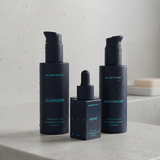
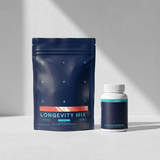
Hi Friend, Until I was 40, I kind of destroyed my skin.Sunburns, poor diet, no skincare routine.Now I'm paying the price. Here's what I'm doing now and what I wish I'd known earlier in life. When I started Blueprint, my skin was in the 98th percentile for damage on some markers, with an average skin age of 64. Now, my skin age has improved to between 37 and 42. Here are a few basics to maintain healthy skin: Exercise. Prioritize your sleep. Eat a healthy, Blueprint-like diet. Consider getting sun earlier in the day and later in the evenings when the UV index is lower. Avoid junk, fried, or highly processed foods, cigarettes, and vaping. The sun is good for you but not too much and not too little. Just the right amount will do. If you’re getting direct sun exposure when the UV index is high (10 am - 4 pm), you can protect your skin with options such as clothing, a UV umbrella, a hat, and mineral sunscreen.   My daily protocol: Face wash morning and night. Sunscreen (mineral). Moisturize (body and face). Targeted Treatments: Use products containing the following active ingredients:  + Niacinamide (morning and night) found in serums or moisturizers. + Vitamin C (morning) typically in a serum.+ Hyaluronic acid (as desired) – usually in a serum or moisturizer.+ Tretinoin (prescription, at night). Spot endocrine disruptors in skin care products:Endocrine disruptors are natural or man-made chemicals that may mimic or interfere with the body’s hormones, known as the endocrine system. These chemicals are linked with many health problems in both wildlife and humans. Next, here are some supplements to support skin health: Collagen (20-30g daily): Pair with Vitamin C to boost collagen synthesisNiacinamide (15 mg in Blueprint Essential Capsules). Hyaluronic acid (120 mg in Blueprint Longevity Mix). Here are some pro tips: UV-tinted windows to block 99% of damaging UV rays. A UV umbrella during high UV index times. Microdosing Accutane (40 mg weekly) for blemish-free skin. Alternatives include over-the-counter retinols. Red light therapy 3x per week. Note: If you don’t have easy access to red light therapy, don’t worry. The basics are a great place to start. To track my progress, we routinely measure the biological age of my skin using multispectral imaging (in the U.S., Visia is a popular choice). It provides detailed views of skin health, including: UV damage. Pore size. Dark spots. And many other indicators. Some wellness clinics offer this service. You can search locally to find one. There a few advanced therapies I've been experimenting with to target collagen production, skin firmness, and overall skin health: Tixel for improved collagen and elastin. Sofwave for improved collagen and elastin. Sculptra to boost natural collagen production (injected in the face). Finally, at Blueprint we are working on some exciting new products to cover all of your skincare requirements. We are developing a cleanser, serum, moisturizer, and SPF that will launch later this year. I’m excited to be on this journey with you. Be well, Bryan
Blueprint healthy food dishes

Blueprint Recipes

Hi Friend, Here’s a list of the recipes I’ve been eating lately. One of life’s greatest joys for me. 1. Vegetable Stir Fry with Cauliflower Rice 1/2 medium onion, thinly sliced (approximately 75 g)   1/4 wedge of red cabbage, shredded (approximately 150 g)   1/4 wedge of white cabbage, shredded (approximately 150 g)  200 g mung bean sprouts (approximately 2 cups)   200 g chopped broccoli (approximately 2 cups)   225 g shiitake mushrooms, sliced (approximately 8 oz)   150 g sugar snap peas (approximately 1 cup)   15 g ginger powder (approximately 1 tablespoon)   15 g garlic powder (approximately 1 tablespoon)   30 ml gluten-free low-sodium tamari (approximately 2 tablespoons)   600 g cauliflower rice (approximately 20 oz)  15 ml olive oil (approximately 1 tablespoon)   Optional: 7 g hemp seeds (approximately 1/2 tablespoon) for garnish 2. Lemon Red Lentil Soup 15-30 ml olive oil (approx. 1-2 tablespoons)   3 large carrots, peeled and sliced (approximately 360 g)   2 stalks celery, chopped (approximately 180 g)   1 medium yellow onion, diced (approximately 150 g)   4 cloves garlic, minced   1.5 liters vegetable stock   225 g red lentils (about 1.5 cups)   2 bay leaves   2.5 g turmeric (approx. ½ teaspoon)   5 g cumin (approx. 1 teaspoon)   Juice of 1 lemon   Zest of 1 lemon (optional, for added flavor)  3. Chickpea Vegetable Frittata 240 g chickpea flour   360 ml water   1/2 medium onion, finely chopped   2 red peppers, diced   1 medium zucchini, diced   1 bunch parsley, chopped   1 bunch chives, chopped   2 garlic cloves, minced   15 g garlic powder (approx. 1 tablespoon)   15 g ground cumin (approx. 1 tablespoon)   1 Roma tomato, diced   225 g sliced mushrooms   15 ml olive oil (approx. 1 tablespoon) 4. Chickpea Stew 5 cloves garlic chopped 1 tbsp (6-8g) cumin 2 tbsp (30mL) extra virgin olive oil 2 tbsp (30g) tomato paste 1 tbsp (6-8g) paprika 1 tsp (3g) red pepper flakes 3 cups (500g) cooked chickpeas 2-3 tsp (5-7g) za'atar  2-3 bay leaves 1 roasted bell pepper 5. Cauliflower Lentil Loaf Loaf: 200g cooked lentils 300g riced cauliflower  150g chopped onion 8 oz mushrooms  30g nutritional yeast 5g minced garlic  5g Dijon mustard  2.5g smoked paprika  2.5g cumin  1.5g black pepper  1.5g chipotle powder  Glaze: 80ml unsweetened ketchup 5ml liquid smoke 6. Mushroom and Walnut Bolognese with Spaghetti Squash 225 g chopped cremini mushrooms 40 g chopped onion (1/4 cup) 40 g chopped carrots (1/4 cup) 40 g chopped celery (1/4 cup) 2 cloves garlic, chopped 60 g chopped walnuts (1/2 cup) 15 g garlic powder (1 tbsp) 15 g Italian seasoning (1 tbsp) 15 g tomato paste (1 tbsp) 340 g tomato sauce (12 oz) 30 ml gluten-free tamari ( 2 tbsp) 30 ml balsamic vinegar (2 tbsp) 1 medium spaghetti squash (about 1/2 squash after roasting) 5 ml olive oil (for greasing, approximately 1 tsp) 7. Herb Seasoned Cauliflower “Turkey with Sweet Potato Mash and Blanched Green Beans “Turkey”: 1 large head of cauliflower  30 ml olive oil 10 g garlic powder 10 g onion powder 10 g smoked paprika 5 g dried thyme 5 g dried rosemary 15 g nutritional yeast  100 ml vegetable broth (for basting) Sweet Potato Mash: 800 g sweet potatoes 30-60 ml almond milk (or any plant-based milk) 5 g garlic powder  5 g ground cinnamon  Blanched Green Beans: 400 grams green beans, trimmed Ice water (for blanching) 8. Black Lentil and Olive Salad with Spiced Roasted Carrots and Sundried Tomato Hummus Spice Roasted Carrots: 3 large carrots, sliced into thick coins 1 shallot, thinly sliced 2 tbsp extra virgin olive oil 1 tbsp maple syrup 1 tsp smoked paprika 1 tsp ground cumin ½ tsp salt Salad: 1 cup black lentils, rinsed 2 cups water or vegetable broth 1 tbsp red wine vinegar 1 tsp dijon mustard ¼ cup black currants ½ cup castelvetrano olives, pitted and chopped ⅓ cup roasted almonds, chopped ¼ cup flat-leaf parsley, finely chopped 2 tbsp fresh mint, chopped To Serve: ½ cup sun-dried tomato hummus 9. Sweet Potato and Cabbage Curry with Cauliflower Rice Curry: 2 cups shredded fresh cabbage 1 medium/small sweet potato, diced into 1-inch pieces 1 medium onion, finely chopped 2 tbsp olive oil 1 tsp cumin seeds 1 dry red chili, broken into pieces ½ tsp turmeric powder 1 tsp coriander powder ½ tsp red chili powder (adjust to taste) ½ tsp salt (or to taste) Garnish & Serving: ¼ cup chopped cilantro 1 tbsp lime juice 2 cups cauliflower rice 10. Grain Free Porridge with Butterfly Pea Flower 250ml (1 cup) macadamia nut milk 30g (1/4 cup) almond flour 15g (1 tbsp) hemp seeds 10g (1 tbsp) chia seeds 10g (1 tbsp) ground flax 1/2 tsp vanilla extract 1 tsp butterfly pea flower powder 1/4 tsp cardamom Handful of fresh berries for topping   Instructions: Add all the ingredients into a blender Blend until smooth Top with the fresh berries Serve and enjoy   11. Mushroom Walnut Stuffed Acorn Squash Squash: 2 medium acorn squash, halved and seeds removed 1 tablespoon olive oil Filling: 1 tablespoon olive oil 16oz crimini mushroom 4tbs chopped walnuts 4tbs unsweetened dried cranberries 1tbs honey 1/2tbs cinnamon 12. Butternut Squash Soup with Roasted Apples and Carrots (Serves 4-6) 1 medium onion, diced 3 cloves garlic, minced 1 medium butternut squash, peeled, seeded, and cubed (about 4 cups) 2 Honeycrisp apples, peeled, cored, and diced 2 large carrots, peeled and chopped 1 teaspoon garam masala ½ teaspoon ginger powder 4 cups vegetable broth 1 cup coconut milk 2 tablespoons olive oil 13. Black Bean and Mushroom Bowl with Chickpea Rice (Serves 2-3) 1 can (15 oz) black beans, drained and rinsed 1 cup cherry tomatoes, halved ½ medium onion, diced 1 cup oyster mushrooms, chopped 1 teaspoon umami seasoning ½ teaspoon cumin ½ teaspoon garlic powder 1 tablespoon olive oil ¼ cup pickled red onions 1 cup fresh spinach ½ cup shredded carrots ½ cup sliced radish ¼ cup chopped cilantro 1 ½ cups cooked chickpea rice 14. Superfood Smoothie (Serves 1-2) ½ cup strawberries ½ cup blueberries ¼ cup pomegranate arils ½ cup dark cherries, pitted 1 cup almond milk 1 tablespoon flax seeds 5-6 macadamia nuts 1 teaspoon chia seeds 1 teaspoon blueprint cacao   Instructions Add all the ingredients into a blender Blend until smooth Serve and enjoy   Enjoy, Bryan
Bryan Johnson medication

I stopped taking rapamycin

Hi Friend, On September 28th, I decided to stop rapamycin, ending almost 5 years of experimentation with this molecule for its longevity potential. I have tested various rapamycin protocols including weekly (5, 6, and 10 mg dose schedules), biweekly (13 mg), and alternating weekly (6/13 mg) to optimize rejuvenation and limit side effects. Despite the immense potential from pre-clinical trials, my team and I came to the conclusion that the benefits of lifelong dosing of Rapamycin do not justify the hefty side-effects (intermittent skin/soft tissue infections, lipid abnormalities, glucose elevations, and increased resting heart rate). With no other underlying causes identified, we suspected Rapamycin, and since dosage adjustments had no effect, we decided to discontinue it entirely. Preclinical and clinical research has indicated that prolonged rapamycin use can disrupt lipid metabolism and profiles [1], as well as induce insulin and glucose intolerance [2] and pancreatic beta-cell toxicity [3].  Despite anecdotal evidence of rapamycin slowing down tumor growth, its effect in inhibiting natural killer cells [4] raises concerns for anti-cancer immune surveillance and cancer risk in the longer run. Additionally, on October 25th, a new pre-print [5] indicated that Rapamycin was one of a handful of supposed longevity interventions to cause an increase/acceleration of aging in humans across 16 epigenetic aging clocks. This type of evaluation is the first of its kind, as most longevity interventions up to date have been tested against one or two aging clocks, leading to invisible biases and potential intended “cherry picking” of favorable clocks for the tested interventions. Longevity research around these experimental compounds is constantly evolving, necessitating ongoing, close observation of the research and my biomarkers, which my team and I do constantly. Be well, Bryan   Sources https://pubmed.ncbi.nlm.nih.gov/12177161/ https://pmc.ncbi.nlm.nih.gov/articles/PMC3384435/#:~:text=(D)%20Chronic%20treatment%20with%20high,rapamycin%20induces%20Klotho%20%5B64%5D https://diabetesjournals.org/diabetes/article/62/8/2674/34093/Evidence-for-Rapamycin-Toxicity-in-Pancreatic https://pmc.ncbi.nlm.nih.gov/articles/PMC4084728/#:~:text=In%20contrast%2C%20rapamycin%20significantly%20inhibited,cells%20in%20rapamycin%2Dtreated%20recipients https://pubmed.ncbi.nlm.nih.gov/39484592/
Bryan Johnson is the healthiest person on the planet

I am the healthiest person on th...

Hi Friend,I have the best biomarkers in the world. I am the healthiest person on the planet.I am fitter than most teenagers. My skin is smoother than that of women in their 20s who obsess over theirs. I have more stamina in bed than men in their 20s. I have better health markers than any hater, health influencer and anti-aging doctor and scientist.My mind is sharper than it's ever been. My mental health is at its peak. My protocol - which is loyal to data and science - is better than any big-money influenced government guideline or pseudoscience social media fad. Blueprint is the new standardHere’s the data.The coolest question in existence right now is exploring if we are the first generation to not die.“Do this, don’t die” is the oldest and most played game in human history. Every religion is “do this and don’t die”. Professional, military and political achievements are fueled by remembrance of contribution, “do this and don’t die”. Having kids is the same. It’s the universal game played by humans. We don’t want to die.The difference is that now after hundreds of thousands of years of warming up to games of “do this, don’t die” the real “don’t die” game is here.We are giving birth to superintelligence. We no longer know how long and how well we can live. We have no idea how expansive and rich existence could be. The depths of our ignorance and unknowing about the future may be similar to H. erectus one million years ago. Imagine asking them what they think the future would bring? They’d simply talk about things they already knew. Hunting, foraging and killing. They wouldn’t be able to speak about the microscopic world of atoms and molecules. Of the invisible electromagnetic spectrum, or antibiotics, or of smartphones.We may be the same as H. erectus. We may have no models that can help us say anything intelligent about the future except for that in this moment, we don’t want to die and want to be around to see what unfolds.We are on the eve of what may become the most spectacular intelligent existence to ever occur in the galaxy and yet we’re still foolishly primitive. Killing ourselves. Killing each other. Killing the planet. We are drunk on debauchery, greed and violence.Technology is evolving faster than anyone can comprehend. We are evolving into something new as a species. This may be the end or the very beginning.We would be wise to see this moment for what it is: the most radical evolutionary moment in our history.No existing idea of human thought or societal organization is robust enough to meet this moment. Not democracy, not capitalism, not any religion or ideology. We need a new ideology that can guide us through this moment.New ideologies have formed throughout history. They emerge in tandem with new technological, political and economic realities. Of course a new ideology would rise in this moment.Don’t die is the universal game every human plays every second of every day. It’s the single thing that every human on this planet agrees with and actively practices constantly. Don’t die individually. Don’t kill each other. Don’t destroy the planet. Align AI with Don’t die. Don’t die is a new economic, political, social, ethical and moral system. It’s what intelligence does when it becomes super.I don’t expect you to understand Don’t die based upon what I’ve written. I’ve found that it takes about two hours of intense conversation to just begin to understand it. It challenges everything you know. Everything you’ve ever learned. And all your intuitions. Until you understand it, you’ll try to come up with countless arguments to try and make it go away. I’ve had this conversation over a thousand times and the patterns are identical every single time. The emotions, the responses, rebuttals, and reasoning.Until we get the chance to have this conversation. Join me in embracing this moment for what it is: the coolest time to ever be alive. The greatest opportunity for any human. We need to band together and rebuild our societal systems that acknowledge that existence is the highest virtue.We can start with ourselves.Go to bed on time. Exercise daily.Eat well. Drop the bad habits. Help others do the same.Be well,Bryan
Anti-aging lunch recipes

How to Make My Anti-Aging Lunch ...

I eat Super Veggie every day. I love it. Here’s how to make it at home: Super Veggie Ingredients Black lentils, 45 grams dry, ~150 grams cooked Broccoli (head+stalk), 250 grams (Can also use Broccoli sprouts) Cauliflower. 150 grams Shiitake or Maitake Mushrooms, 50 grams Garlic, 1 clove (a piece) Ginger Root, 3 grams Lime, 1 Cumin, 1 Tbsp Apple Cider Vinegar, 1 Tbsp Hemp Seeds, 1 Tbsp After prep, drizzle 1 Tbsp of Extra Virgin Olive Oil  Super Veggie Instructions Weigh vegetables. Place broccoli, cauliflower, mushrooms (maitake or shiitake), ginger and garlic in boiling water*. Boil until tender (7-9 min). Steaming is also acceptable. Lentils: bring the water to boil in a medium saucepan. Add lentils. Reduce heat to low and cook uncovered for 18-20 or minutes until "al dente". Place in a colander to drain and rinse under cold water. You can choose to blend or keep whole. Blend in a high-speed blender place 1 Tbsp of dried cumin, 1 Tbsp of apple cider vinegar, 1 fresh Lime, cooked black lentils, the strained cooked vegetables, and blend until it becomes thick soup. Can also serve as the picture above. If needed add some of the vegetable water (or steaming water) to thin out the texture. Top with hemp seeds. I season it with NuSalt (potassium chloride). *Cooked via low temperature, high humidity, high acidity, high antioxidant cooking methods to minimize formation of Advanced Glycation End-products (AGEs) and Advanced Lipid Peroxidation End-products (ALEs). A note on Super Veggie taste. The food I eat is delicious to me; one of the most exciting moments of my day. When starting, sometimes there is a period of adaptation and some want to play with the recipe and texture. Blueprint breaks all kinds of social norms which predictably triggers human responses that draw those lines. 
Blueprint biomarker tests

Measure your Bioage at home

Want to learn your biological age? And do so using free tests? We’ve got you. Here are 7 free Bioage Fitness tests designed by the Blueprint clinical team that you can do at home. How to complete the Bioage Fitness tests:1: Download the Don’t Die App2: On your profile, go to ‘Measurements’3: Click on the + next to ‘Capabilities’4: Select the fitness assessment you will complete5: You can view the instructions for the fitness assessment in the app. These instructions are also included in this article.6: Enter your results in the Don’t Die App to receive your biological age Bioage Fitness Test Instructions: 1. Continuous Push-UpsObjective: Measure upper body strength and endurance.Goal: Perform as many push-ups as you can without res Instructions: Lie face down on the floor with hands placed slightly wider t\an shoulder-width apart, elbows fully extended. Lower your body until your chest touches the floor, keeping your body in a straight line from head to heels. Note - don’t round your back! Push back up to the starting position. This counts as one push-up. Perform as many push-ups as you can without rest (considered to be holding at the top 3 seconds), maintaining proper form. Record the number of push-ups completed. 2. Mobility Test: Sit Rise Test Objective: Assess flexibility, strength, and balance.Goal: Sit and rise without using your hands, knees, forearms, or side of the legs for support. Instructions: From a standing position, sit down on the floor with legs crossed, without using your hands, knees, forearms, or side of the legs for support. Rise back to a standing position without using any support (this is the goal). If support is needed, the scoring is as follows: Deduct 1 point for each hand, knee, or forearm used going down and up The maximum score is 10. A score of 8 or more is considered ideal. 3. Waist-to-Height Ratio Objective: Assess body fat distribution, metabolic health and risk.Goal: The smaller the ratio between your waist and height, the better. Instructions: Measure your height in centimeters (cm). Measure your waist circumference at the narrowest point between the ribs and the hips in centimeters. Calculate the ratio: Waist Circumference (cm) / Height (cm).  4. Grip StrengthObjective: Assess hand and forearm strength. Correlates with cardiovascular disease risk.Goal: The larger the number, the better Instructions: Use a grip strength dynamometer. Stand upright and hold the dynamometer at your side. Squeeze the dynamometer as hard as you can. Record the highest reading in lb after 3 attempts in each hand 5. Sit and Reach (YMCA)  Objective: Measure flexibility of the lower back and hamstrings.Goal: The further you reach, the better Instructions: Video Sit on the floor with your legs extended straight out in front of you, with approximately 10-12 inches of distance between your feet Place a second tape measure at the 15” mark between the ~5-6 inch mark of the first tape measure (think like you’re making a “T” or a “+” with both tape measures), the zero should be closest to you. Heels should be resting on the first tape measure.   Place one hand on top of the other, palms facing down, and reach forward as far as possible along the measuring line. Hold the stretch for 1-2 seconds. Measure the distance reached by the fingertips. Repeat twice and record the best distance. 6. One-Leg Stand / Balance TestObjective: Measure balance and lower body strength.Goal: The longer you can balance, the better Instructions: Stand with their eyes shut and on one leg with the other leg bent at the knee and lifted off the ground and free floating. Hold this position as long as possible without touching the raised leg to the ground, using external support, or touching their other leg. Record the time you can hold the position in seconds. Perform the test on both legs and record the times.  7. Reaction Time Test Objective: Measure quickness of response to a stimulus.Goal: The smaller the reaction time, the better Instructions: Download the App “Reaction Time & Reflex Test.’ Click on the Game “Lights Out” Start a new test. Place your thumb or finger on the screen to start the countdown. All 5 lights will illuminate. As soon as the lights turn out pull your finger or thumb off the screen. Repeat 5 times and take the best score of the 5 tests. This will be the lowest number.   If you want more comprehensive baseline testing, we got you covered. Blueprint Labs empowers you with data to take control of your health. Blood PanelsTest either 60 or 115 biomarkers with a comprehensive suite of blood and urine tests designed for deep analysis and insights (basic, advanced). MicroplasticsThe world’s first at-home microplastics blood test, enabling you to screen for most common commercial plastics with just a finger-prick (link). Speed of AgingFind out how old you really are, and learn the biological age and health of 11 critical organ systems and how fast or slow your aging (link).
Close up of fluoride

Fluoride; Friend or Foe?

Hi Friend,As part of MAHA, Robert Kennedy Jr wants to eliminate fluoride from U.S. drinking water. Fluoride has been in US drinking water since the 1960s, mainly to prevent tooth decay.Is this a good or bad idea? Let's look at the science. (Click to see video)Fluoride to prevent tooth decayWater fluoridation began in the U.S. in 1945 and expanded widely in the 1960s to help prevent tooth decay, especially in children.The CDC considered water fluoridation among top 10 achievements in the 20th century. Ref (1)Standards, measurement and risksThe current US standard for fluoride in drinking water is 0.7mg/L Ref (1).Earlier WHO report stated that 0.2% of US population is exposed to >2mg/L of fluoride in drinking water Ref (3)Recent report from the National Toxicology Program associated fluoride levels as low as 1.5 mg/L to lower IQ in children Ref (2)According to Robert Kennedy Jr, exposure to fluoride can lead to: Dramatic IQ Loss in children/ exp. unborn fetuses Bone cancer (Osteosarcoma) Arthritis, deterioration of bones Thyroid injury Calcification of the Pineal gland in the brain Here's a critical analysis of the clinical evidence regarding these claims made about water fluoridation.1: IQ Loss in children especially with exposure in the wombBoys might be losing a couple IQ points in the womb; across the countryA Canadian birth-cohort study showed boys born to mothers in areas with fluorinated water had lower average IQ at 3-4 years of age.Average 4.49 IQ decrease (only for boys) associated with each 1mg/L increase in MUF (Maternal Urinary Fluoride) in pregnancy. Ref (5) (observational)Context: average fluoride intake for fluorinated areas was 0.93 mg/daily. Equivalent to fluoride in 1.33 L of standard US tap water, making this effect universal to all US mothers consuming unfiltered tap water. Ref (5)A meta-analysis of 33 studies concluded that water fluoride beyond 1 mg/L (43% above US standard) correlated to 5 point IQ decrease, while water at the US recommended level 0.7mg/L correlated with a smaller 2.15 IQ decrease, on average. Ref (6)In India, school-age children exposed to >1.5 mg/L water (double the US recommendation) showed lower average IQ. Ref (7)2: Osteosarcoma: rare bone cancer, common in childhood and adolescencePre-clinical evidence from rats and mice suggests a link between fluoride in water and osteosarcoma. Ref (8)ClinicallyWe found only one study from India suggesting that tap water fluoridation associated with higher osteosarcoma incidence (Age 10-24 years) Ref (9)However various other studies refuted this claim;A US study analyzing CDC data on osteosacroma patients (age 15-19) found no correlation to fluoride in water. Ref (10)A British study also concluded no significant association between fluoride in water and osteosarcoma in people 0-49 diagnosed with osteosarcoma. Ref (11)ConclusionThis claim should be considered refuted, given that multiple human studies have shown no significant increase in Osteosarcoma risk at common water fluorination levels.3: Arthritis, deterioration of bonesAn Indian study on 80 arthritis patients showed significant correlation between serum fluoride and knee-arthritis. Ref (12)A Chinese study (186 osteoarthritic patients and 186 healthy cohorts) showed each 1mg/L increase in urinary fluoride correlated to 27% increased risk of developing osteoarthritis. Ref (13)4: Thyroid injuryA Chinese study concluded that low-to-moderate fluoride exposure was associated with weaker thyroid function and lower IQ in children (age: 7-13)Each 1mg/L increase in urinary fluoride correlated with 0.09ng/dL decrease in serum thyroid hormone and 0.11ng/dL increase in TSH (also indicating thyroid dysfunction). Ref (14)The study hints at a potential link between the effect of fluoride on IQ, and Thyroid function in children. (14)A meta-analysis of 27 studies found a correlation between higher levels of fluoride in water (2.5mg/L: over 3x US standard) and thyroid disruption in children. Ref (15)A UK observational study reported higher hypothyroidism incidence in areas with fluorinated water Ref. (16)5: Calcification of the Pineal gland in the brainA post-mortem analysis of pineal glands from deceased aging humans showed high levels of fluoride deposition, with correlation between fluoride and calcium (calcification). Ref (17)A US cross-sectional study on NHANES data (2015-2016) suggested a link between fluoride-associated pineal gland calcification and sleep disturbances among adolescents. Higher fluoride (75th vs 25th percentile) correlated with 2x increase in sleep apnea, 24 min and 26 min average delay in bed and waking-up time, respectively. Ref (18)Note: the pineal gland produces melatonin, which regulates circadian rhythm and sleepIn Summary4 out of the 5 risks cited as basis to end water fluoridation have evidence from humans to support them, fluoride association with Osteosarcoma being the one exception that is largely refuted.1. Public water fluoridation is an outdated measure from the past.2. While it might partially prevent tooth decay, fluoridation exposes the population, especially children to unnecessary health and cognitive hazards.3. Fluoridation harms the people it is supposed to be protecting the most; children in less affluent households are more likely to consume unfiltered tap water, and not have enough supervision regarding fluoride in toothpaste and mouthwash.4. Water fluoridation should be replaced with more targeted community efforts to improve children's nutrition, health, and dental hygiene.Examples:- Eliminating sugar from school lunch/snacks.- Awareness about dental hygiene (toothbrushing morning/night, correct ways to brush teeth, flossing, avoiding excessive use of mouthwash)Dental health beyond fluoridationWhile it might be time to part ways with fluoride in tap water, never misinterpret this as accepting a compromise on dental health. Dental and oral health and hygiene are keys to sustained health and longevity. Due to chronic inflammation and bacterial spread through the bloodstream. Tooth decay and poor oral health have strong links to cardiovascular disease (CVD), dementia, and other systemic conditions. Gum disease (often due to untreated tooth decay) increases the risk of heart disease by 20%. Similarly, poor oral health increases the risk of dementia by approximately 22-30%. Maintaining oral health, therefore, goes beyond preventing cavities; it is essential in reducing risks for chronic and age-related diseases associated with systemic inflammation and infectionExamples of community and school initiatives that improve dental health in children, as part of a holistic approach in raising a healthy generation well-positioned to benefit from the incoming health and longevity revolution.- Eliminating sugar from school lunch/snacks. (added sugar is No.1 cause of caries)- Awareness about dental hygiene (toothbrushing morning/night, correct ways to brush teeth, flossing, avoiding excessive use of mouthwash)- Fluoride and other products can still be used, but with care to avoid over-exposure.Be well,BryanSources1.https://cdc.gov/fluoridation/about/index.html#:~:text=The%20recommended%20fluoride%20concentration%20in,in%20a%2055%2Dgallon%20barrel.2. https://ntp.niehs.nih.gov/whatwestudy/assessments/noncancer/completed/fluoride3.https://who.int/docs/default-source/wash-documents/wash-chemicals/fluoride-background-document.pdf4.https://nature.com/articles/s41415-019-0036-x#:~:text=This%20is%20a%20problem%20because,overall%20benefit%20of%20using%20toothpaste.5. https://jamanetwork.com/journals/jamapediatrics/fullarticle/27486346. https://sciencedirect.com/science/article/pii/S00139351230003127. https://pmc.ncbi.nlm.nih.gov/articles/PMC3409983/8. https://pubmed.ncbi.nlm.nih.gov/12637966/9. https://pmc.ncbi.nlm.nih.gov/articles/PMC3876610/10. https://pubmed.ncbi.nlm.nih.gov/22189446/11. https://academic.oup.com/ije/article/43/1/224/73602812. https://pmc.ncbi.nlm.nih.gov/articles/PMC7751991/13. https://pubmed.ncbi.nlm.nih.gov/34581970/14. https://sciencedirect.com/science/article/pii/S016041201930137015. https://sciencedirect.com/science/article/pii/S001393512302563X16. https://jech.bmj.com/content/69/7/61917.https://karger.com/cre/article-abstract/35/2/125/84621/Fluoride-Deposition-in-the-Aged-Human-Pineal-Gland?redirectedFrom=fulltext18. https://ehjournal.biomedcentral.com/articles/10.1186/s12940-019-0546-7
Are you getting enough sleep?

How did you sleep last night?

Hi Friend,Deep sleep is one of the most powerful things you can do for health and wellness. Missing it is very bad. Most deep sleep happens early in your sleep cycle.If you miss your deep sleep window, it's gone (mostly). See in my data that all of my deep sleep happened in the first 3rd of the night. Sometimes I'll get a bit more deep sleep in the early parts of the morning too but it's always heavily weighted towards the beginning of the night.Deep sleep is a super power. It is essential for physical restoration, muscle repair, immune function, and detoxifying the brain. It improves memory, supports learning, regulates hormones, and promotes emotional resilience.Here's how you can get Deep Sleep.How to get deep sleep: 1. Consume your final meal of the day at least 2 hours before bed. Work your way back to 8 hours before bed, even if for experimentation purposes only. Test out different eating windows and find the optimal time for you.2. Have a 30-60 minute wind down routine before bed. Go for a walk, read a book, meditate or do breath work. Calm yourself from the day's activities. Turn off screens. Prepare your body and mind for sleep. It's worth it. I promise.3. Decide on your bedtime and then be in bed +/- 30 minutes every day. Your bedtime is your most important appointment of the day. Respect yourself and be on time.4. Turn off screens. Lower house lights. Avoid blues. use amber and red light.5. Try to avoid caffeine and other stimulants at least 12 hours before bed. Experiment with not consuming caffeine to evaluate if caffeine is negatively affecting your sleep. Avoid alcohol all together.6. Aim to get 1-2 hours of deep sleep every night. It will change your life and make everything better.Be well,Bryan
Bryan Johnson's Don't Die Netflix documentary

“100 Years Is Not Enough Time” T...

Documentary out now!  Tech entrepreneur Bryan Johnson’s controversial search for eternal life through science involves plasma transfusions, fat transfers — and more than 50 pills a day. In this exclusive sneak peek of the trailer for the Netflix documentary, for Don’t Die: The Man Who Wants to Live Forever, Johnson, 48, shows off the extreme measures he’s taken in his pursuit of extending his natural life and explains the motivation behind his search for the proverbial Fountain of Youth. “I’m trying to be on the outermost edge of possibility for the science,” explains Johnson in a voiceover as he gets his first-ever gene therapy, one of the treatments he says he’s spent “millions of dollars” on as part of his “anti-aging protocol.” And the reason behind his search, Johnson says, is family: “I really want to have multiple lifetimes with my son,” he says of Talmage. “One hundred years is not enough.” Johnson and Talmage, along with Johnson’s father, took part in the first “multi-generational” plasma exchange, which is shown in the documentary. In the exchange, Talmage donated his plasma to his father, who in turn donated his own plasma to his aging father. “We may walk into a future where all of us live healthier and longer. I want to live with everything that I am,” says Johnson, who is uses himself as his research subject and publishes everything online. "I think his rectum went viral," one person comments in the trailer, while a colleague says, "I'm worried for him. We just don't know how his body's going to react" to all the experimental treatment. Bryan Johnson PHOTO: COURTESY OF NETFLIX “As a species, we accept our inevitable decay, decline, and death,” Johnson says. "I want to argue that the opposite is true.” Don’t Die: The Man Who Wants to Live Forever, premieres on Netflix on Jan. 1. Originally published Dec. 19, 2024 on People by Cara Lynn Shultz
speed of aging measurement

Things that make you age faster,...

Hi Friend,A new study is out: things that make you age faster, and slower, according to 16 epigenetic age clocks.These interventions demonstrated a significant decrease or slow-down of Biological Aging1. Pharmacological Interventions: Anti-TNF therapy (anti-inflammatory), Metformin (Anti-diabetes, AMPK activation), Ketamine (antidepressant psychedelic, dissociative). 2. Supplements: AC11 supplement (natural DNA repair booster), TruLacta (a human-milk based supplement).3. Lifestyle Adjustments & Surgeries: Gastric Bypass (weight reduction), smoking cessation, kidney transplant, hyperbaric oxygen therapy HBOT (large average effect, but no statistical significance)4. Diets: Vegan Diet, Green Mediterranean Diet, Mediterranean Diet, low fat and low carb diets.These interventions demonstrated a significant increase or acceleration of Biological Aging1. Pharmacological Interventions: Rapamycin (mTORC1 inhibitor, immunosuppressant), senolytics.2. Supplements: Buckwheat Extract 3. Gene Therapies: Follistatin (myostatin inhibition, muscle growth)4. Lifestyle Adjustments, procedures & Surgeries: Kidney DialysisThe findings are very reassuring regarding my health program and the Blueprint stack and some of the latest changes we introduced.Many of the reported findings echo my protocol and system, which is fascinating as it indicates that continuous measurement and optimization for actual biomarkers and performance indicators automatically consolidates the interventions that best slow down epigenetic biological age.Here are some examples:RapamycinIn September I stopped Rapamycin, based on concerns around its metabolic side-effects observed in my lab results (including increased cholesterol, blood sugar and RHR); the data here showed Rapamycin increased biological aging according to two clocks, while ineffective according to the others. Details here.MetforminI continue to take Metformin, despite concerns based on its ineffectiveness in ITP mouse studies (2), and claims about it blunting muscle growth (3) (I am top 0.1% of my age-group for muscle volume) evidence from this study and from aging clocks in non-human primates (4), as well as lowering cancer incidence in retrospective population studies (5), all indicate metformin as a promising longevity intervention.DietA green mediterranean diet fared best at reducing/slowing down aging as measured by 10 out of 16 aging clocks, this diet is the closest to my Blueprint diet. Also, I stick to a grain-free diet. The slight but significant acceleration in aging clocks observed with buckwheat extract further validates the choice of avoiding grains.Follistatin gene therapyThe study reported a significant increase in biological age with Follistatin gene therapy, primarily driven by its effect on the PACE aging clock. I have received this therapy, which successfully boosted my circulating Follistatin levels. Upon getting the gene therapy my PACE score dropped from 0.70 to 0.64. While this effect is associative, and is not necessarily caused or driven by the increase in my Follistatin, it is still reassuring that - at least in my case- Follistatin gene therapy had no undesired effect on my biological age. We remain very curious about the reported effect, and are investigating the potential underlying causes, and whether the analyzed Follistatin gene therapy was a healthy or a disease-specific cohort, which has a huge impact in interpreting this result.Minicircle, the company that provided my Follistatin gene therapy, had shared their data in a pre-print in which their Follistatin gene therapy did not associate with a change in PACE, however still showed that it mildly reduced Extrinsic Epigenetic Age, with a strong correlation to T and B immune cells.(6)Tracking my epigenetic biological ageI continuously trace my epigenetic biological age using the PACE (DunedinPACE) clock, as discussed this clock is superior in both reliability and sensitivity, especially in detecting shifts in biological age in healthy cohorts, all desirable features for a biological age clock.It's worth noting: as far as I know, I am the most epigenetic-measured person in the world. We saw its potential early on as an important way to measure biological age and inform our decision making. We remain bullish.Results validate some longevity interventions, but mostly indicate a wide gap in the systemic understanding of other interventions and the reliability of "single aging clock approaches" and animal data in assessing longevity outcomes in humans.Metformin has long been of interest as a longevity drug, and while some mouse studies including ITP failed to demonstrate conclusive lifespan extension with metformin, the picture here looks much brighter, with 5 out of the 16 clocks indicating significant reduction/deceleration in biological age, with no clock indicating the contrary. A recent study on monkeys also used multiple aging clocks to demonstrate the anti-aging effects of metformin (4), particularly in the brain, here's my post on this study.Anti-TNF therapies also reduced biological age across most clocks, indicating the significance of "inflammaging" in driving the aging process.On the other hand, Rapamycin, which is consistently the strongest drug intervention at extending lifespan in mice (solo and in combination with other interventions) according to several gold-standard ITP studies, surprisingly drives an increase in biological age according to 2 of the clocks, while having no effect on the remaining ones. This further puts to question the validity of rodent data in predicting longevity interventions in humans.As for the vitamin-B rich Buckwheat extract, B vitamins drive the methylation cycle, which drives up wide genome methylation as seen in this large elderly cohort study (7), potentially accelerating the aging-associated epigenetic changes. Furthermore, long-term B9 supplementation increased cancer incidence and all cause mortality, with the effect specifically correlated to the folate concentration in the blood (8).Evaluation of Aging Clocks' Reliability and Sensitivity Shows the Potential of the DunedinPACE ClockBeyond validating interventions, the authors also assessed the reliability and sensitivity of the 16 tested aging clocks by comparing them to one another and gauging how often a clock's result agreed/disagreed with the majority of the remaining clock, as well as how often a clock was unique in detecting a different for a particular intervention.DunedinPACE clock (a next generation clock measuring the speed of aging) stands out here by being always either in agreement with a majority of the remaining clocks, or uniquely detecting a change in biological age, where no other clock did.Sensitivity of Aging Clocks in Health and Disease InterventionsFor the longevity field, aging clocks that can detect changes in biological age in healthy people are of particular value. Improvements from treating a disease are usually greater in magnitude and easier to detect than incremental improvements from longevity interventions in healthy people.True longevity interventions should drive biological age reduction in healthy cohorts too, as they address the underlying aging process as opposed to particular diseases.Three clocks showed significant effect detection in studies on healthy cohorts, including DunedinPACE, while also being significant in disease studies. The GrimAge clock, geared for predicting mortality, also showed efficiency in both contexts.7 Organ-System Clocks, and Proxy Epigenetic Markets of Metabolites and Proteins are Reliable in Predicting Intervention Effects, including Diets.The latest generation of epigenetic aging clocks is called Gen X (for generation explainable), they aim to make biological age assessments more understandable by focusing on specific epigenetic signature that can link the effects on systemic biological aging to specific organs (called Organ system Clocks) and/or biomarkers (Called DNAm Proxies), in a manner similar to how conventional studies seek to elicit the mechanism of a drug or intervention.The example below demonstrates how these epigenetic clocks can predict the effects of various diets on organs, systems, and biomarkers, in other words the epigenetic data reliably recapitulates what we know about the effects of these diets on organs and biomarkers (e.g. vegan and mediterranean diets reducing inflammation, low carb diet reducing HB1ac)Closing thoughtsAging clocks are mostly a proxy (surrogate endpoint) for the actual endpoint of interest, which is lifespan itself (mortality data). Relying solely on mortality data would delay the field by several decades.Since aging clocks were not specifically designed to independently predict the effects of of various therapies or interventions on aging, their accuracy in determining the effect of a particular therapy on epigenetic age is yet to be fully established as they sometimes isolate particular negative effects, while neglecting positive effects that can still be beneficial to extending life-and health-spans.This lack of reliability and accuracy motivated the development of several generations of aging clocks algorithms, and the resulting lack of consistency in implementing the various aging clocks is what motivated this study to create a roadmap for the optimal use of aging clocks to evaluate anti-aging therapies and interventions.Be well,BryanSources1. https://biorxiv.org/content/10.1101/2024.10.22.619522v1.full.pdf2. https://pubmed.ncbi.nlm.nih.gov/27312235/3. https://pmc.ncbi.nlm.nih.gov/articles/PMC6826125/4. https://pubmed.ncbi.nlm.nih.gov/39270656/5. https://bmj.com/content/330/7503/1304.long6. https://minicircle.io/wp-content/uploads/2024/04/fstpreprint.pdf 7. https://jamanetwork.com/journals/jama/fullarticle/184898
Bryan Johnson Heart Rate Recovery

What is HRR, and how to improve it

Hi Friend,My heart recovers faster than 75% of elite athletes and 99% of the general population.This biomarker, known as Heart Rate Recovery (HRR), is a key indicator of cardiovascular fitness.Here is what you can do to measure, compare, and improve yours.What is Heart Rate Recovery? HRR is a marker that indicates how quickly your heart rate drops back to resting heart rate after exercise, indicating cardiovascular fitness and health. My HRR is 37 bpm which is higher than 75% of elite athletes and 99% of the general population. How to Measure your (HRR)1. Exercise vigorously2. Record peak heart rate3. Rest 1 minute4. Record heart rate again5. Subtract second reading from peakThe result is your 1-minute HRR in bpm.Compare Yourself to Elite Athletes and the General Population with These Graphs:a. Two cohorts of young and adult elite athlete males.b. A general population cohort of regular active adult malesSadly, reliable numbers are lacking for fit females per age group.The unavailability of such HRR numbers per age group for healthy and fit women is a sign that disparities in representation in clinical literature–if declining–still exist.We will soon take action with the Blueprint community (Don't Die App) to address such disparities for novel fitness markers, by collecting and sharing anonymized and balanced data for females and males of all age groups. Here’s how you can improve your HRR:1. ExerciseAim for at least 150 minutes of moderate-intensity or 75 minutes of vigorous-intensity aerobic exercise per week. 2. Diet Focus on foods for cardiac health, including healthy fats: omega3 from nuts, fish and supplements, in addition to extra virgin olive oil (EVOO). Polyphenols from EVOO, berries and dark chocolate support recovery due to their anti-inflammatory and antioxidant properties. Diet of vegetables, fruits and lean proteins. 3. Sleep Get enough (7-8 hours) of high-quality night sleep to allow for full recovery in support of your exercise goals. Keep a regular sleep schedule. Have an effective wind-down routine for maximal recovery. Follow my full sleep routine here. 4. Additional considerations:+ Hydration+ Exogenous ketones can help boost your performance+ Limit processed foods+ Limit caffeineWhat does poor HRR indicate?Increased all-cause mortality and heart attack risk. Low HRR can be associated to one or more of the following:❌Coronary Artery Disease❌Heart Failure❌Hypertension❌Metabolic Syndrome❌Diabetes❌Sleep ApneaIn a landmark NEJM study with over 2000 mid-aged participants with an initial heart condition, poor HRR following activity was a strong predictor of all-cause mortality, with a 400% increase in mortality risk within the 6 year follow-up period.Science Summary:Heart Rate Recovery is an indicator of the autonomous functioning of the heart, and it results in the withdrawal of the so-called sympathetic activity and the reactivation of the parasympathetic nervous activity. The latter is responsible for the ability to relax.Evidence using specific blockers indicates that the reactivation of parasympathetic activity is the main driver of immediate Heart Rate Recovery, while the withdrawal of sympathetic activity comes later in play to affect the longer term HRR.Focus on the power laws of sleep, nutrition and exercise and you’ll be off to a great start.Be well,BryanSourceshttps://www.sciencedirect.com/topics/medicine-and-dentistry/heart-rate-recoveryhttps://pmc.ncbi.nlm.nih.gov/articles/PMC5524096/https://pubmed.ncbi.nlm.nih.gov/26147945/https://www.nejm.org/doi/full/10.1056/NEJM199910283411804
Bryan Johnson in home gym

Exercise and Fitness Protocol fo...

Daily exercise is one of the most powerful things you can do for health and longevity. Exercise is a power-law of health. A few important tips + Avoid injury. Injuries can create serious limitations, create body imbalances and cause long term complications. It’s worth being cautious even if it means not doing certain things. + Create an exercise habit. Do it everyday, no matter what (unless you’re injured, have a limiting medical condition, or under doctor's orders). You don’t even think about it. It just happens out of habit. Do not give yourself the option to decide. + Work on strength training, cardio, balance and flexibility. + Move throughout the day - after each meal, be active for 5-10 minutes. Every 30 minutes, get up from your desk and move around a bit.+ Don’t get caught up and paralyzed in all the nuances and rabbit holes of exercise. Being active, in whatever ways you can - it pays big for your health. Day 1 (strength training + cardiovascular health and endurance) Activity: full-body resistance trainingDuration: 45-60 minutesSpecifics: General warmup (5 min) (e.g., cycling, walking, etc) Dynamic warmup (5 min) (arm circles, leg swings, high knees, lateral lunges)Strength Training (20 minutes): Squats (weights held at either side or near chest for goblet stance) 3x10-15 Push-ups (standard if possible or on knees/wall) 3x8-12 Single arm dumbbell rows 3x10-12 Functional movement: kettlebell swings and/or farmer’s walks 3x30 seconds Planks 3x20-30 seconds Stability Work (5-10 min): (e.g., single-leg balance, bird dog, single-leg RDL, single leg toe touch, plank with shoulder tap, dead bug)Moderate intensity (25 min): Brisk walking or slow jogging Cycling Swimming Elliptical Intensity: If you’re performing these exercises for the first time, focus on form first, then proceed to add more resistance once familiar (progressive overload)Purpose: Strength training is critical for maintaining muscle mass, bone density, and metabolic health, all of which decline with age but are crucial for longevity (link). Day 2 (high intensity interval training + cardiovascular health and endurance) Activity: High-intensity interval training combined with moderate intensity continuous aerobic exercise (also called steady state, Zone 2 training)Duration: 45-60 minutes Beginner high intensity interval training Work Interval: 20 seconds at all out exertion Rest Interval: 20 seconds (very low intensity or rest), or try 40 seconds if user has little to no background of exercise Series: 8 rounds Modality: Cycle ergometer, track, treadmill, body weight, or resistance exercises Total Time: 4 minutes Moderate intensity Specifics (remainder of time after completing high intensity interval training): Brisk walking or slow jogging Cycling Swimming Elliptical Moderate intensity: Aim to keep HR between 60-70% of max, where you can maintain a conversation but still feel you’re exerting yourselfPurpose: Extremely high intensity to improve anaerobic capacity and aerobic fitness in a short time. Aerobic exercise improves vascular function and myocardial perfusion, reducing the risk of cardiovascular events (link) Day 3 (strength training + flexibility, balance, mobility) Activity: Strength training first followed by low intensity exercise with a focus in flexibility and mobilityDuration: 60 minutesSpecifics: 10 minutes of dynamic stretching (include hip and shoulder mobility exercises: arm circles, wall slides, thread the needle, hip CARs) 30 minutes of strength training. Focus on compound movements targeting areas that are not sore from Day 1 15 minutes of beginner yoga poses focusing on balance and flexibility (cat-cow stretch, cobbler’s pose, tree pose, cobra pose) 5 minutes of static stretching (think cool down) Purpose: Flexibility and mobility help preserve functional movement patterns and reduce the risk of falls and injuries as we age (link). Day 4 (high-intensity interval training): Activity: interval-based cardiovascular workoutDuration: 25-30 minutes, including warm-up and cool-downSpecifics: 5-10 minutes of stability work and dynamic warm-up Perform 8-10 rounds of: 60 seconds of high-intensity effort (over 90% max HR), examples: jumping jacks, high knees, burpees, sprinting, mountain climbers 60 seconds of active recovery (walking or light jogging) Purpose: HIIT has been shown to improve VO2 max, mitochondrial density, and metabolic health, all of which are linked to increased longevity (link to other doc we worked on). Day 5 (strength training) Activity: full-body resistance trainingDuration: 45-60 minutesSpecifics: General warmup (5 min) (e.g., cycling, walking, etc)Dynamic warmup (5 min) (arm circles, leg swings, high knees, lateral lunges)Strength Training Lunges (dumbbells held if you can or bodyweight) 3x10-12 Overhead press (standard if possible or on knees/wall) 3x10-12 Dumbbell chest press 3x10-12 Side plank hold 20-30 seconds each side Functional movement: step-ups 3x10 each leg Stability Work (5-10 min) (e.g., single-leg balance, bird dog, single-leg toe touch) Purpose: To target different muscle groups and continue improving muscle strength and function. Day 6 (high-intensity interval training, Norwegian Protocol) Activity: interval-based cardiovascular workoutDuration: 30-40 minutes, including warm-up and cool-downSpecifics: 5-10 minutes of stability work and dynamic warm-up Perform 4 rounds (can do less rounds or less intensity if little to no background in exercise) on treadmill or indoor bike of: 4 minutes at 85-95% max HR 3 minutes at 60-70% max HR Purpose: This method specifically has produced a drastic increase in VO2 max (22%) in individuals recovering from CVD. For comparison, the group that did aerobic training saw a 17% increase. Day 7 (active recovery) Activity: Light movement and relaxationDuration: 35-50 minutesSpecifics: 20-30 minutes of gentle yoga or stretching (include additional mobility work) 15-20 minutes of mindfulness meditation Purpose: Recovery is essential for muscle repair, mental relaxation, and avoiding overtraining. Proper rest supports longevity and health. Important notes: Progressive overload is key in all types of exercise. Aim to gradually increase the difficulty over time, especially for strength training Rotate different types of HIIT workouts to prevent boredom and target different muscle groups Consider adding a third strength training session if time allows, possibly replacing one of the cardio days or incorporating it into a lower-intensity day. Listen to your body and adjust the intensity or duration as needed. Exercises based on your fitness level BeginnerCardiovascular endurance (steady state): walking, stationary cycling, swimmingStrength training: 2-4 days a week emphasizing compound movements.Exercises: squats (bodyweight, dumbbell, goblet), push-ups, single arm dumbbell row, lunges, leg press, assisted pull-ups, russian twistsHigh-intensity interval training: Exercises: jumping jacks, marching in place, bodyweight squats, modified push-ups, plank holds, standing toe tapsRatio: 1 to 1 or 1 to 2 (e.g., 30 seconds work, 30-60 seconds rest) Balance and flexibility/mobility: B exercises: tandem stance, single-leg stance (holding onto chair), marching in place, heel liftsF/M exercises: neck rotations, shoulder rolls, standing side bends, seated hamstring stretch, ankle circles IntermediateCardiovascular endurance (steady state): jogging, rowing machine, elliptical trainerStrength training: 3-5 days a week with more volume per session, targeting specific muscle groups.Exercises (including beginner): barbell bench press, incline dumbbell press, dumbbell shoulder press, barbell squat, romanian deadlift, pull-ups, lat pulldown, seated cable row, bent over row, hanging leg raises, deadlifts, Turkish Get Ups, Hang CleanHigh-intensity interval training: Exercises: mountain climbers, burpees (no push-up), high knees, jump squats, plank jacks, battle ropes, lunges,Ratio: 2 to 1 Balance and flexibility/mobility: B exercises: single-leg stance unassisted, tree pose, heel-to-toe walking, single-leg reachF/M exercises: standing quad reach, lunges with torso rotation, cat-cow stretch, downward dog, standing figure-four stretch Advanced Cardiovascular endurance (steady state): outdoor running, stair climbing, jacob's ladderStrength training: 5-6 days a week with high volume with specific muscle splits.Exercises (including intermediate and beginner): weighted dips, cable flyers, skull crushers, cable tricep exercises, weighted pull-ups, EZ bar bicep curl, diff. Variations of curls on cable, weighted walking lunges, ham curl, leg extension, calf raises, military press, rear delt flyes, inverted candlestick, bulgarian split squats, Snatch, Single leg squat, Lateral Squat.High-intensity interval training: Exercises: burpees with push-up, box jumps, jumping lunges, squat-press, Push pressRatio: 2 to 1 or tabata style (20 seconds work, 10 seconds rest) Balance and flexibility/mobility: B exercises: single-leg romanian deadlift, stability ball plank, standing elbow-to-knee, pistol squat, overhead squatF/M exercises: pigeon pose, standing split, crow pose, handstand, deep squat hold and arm reach
Bryan Johnson erection

How I’m de-aging my penis

Hi Friend,Men - if you're not having robust boners at night, you're 70% more likely to die prematurely.If you're grinding at the expense of your health, you're flaccid. Women - the same is true for you too. You have similar arousal cycles as men each night (your clitoris engorges). It’s how our sex organs remain in good health. Sadly there isn’t as much data on female nocturnal arousal cycles and so in this email the focus is on male sexual health. That said, the insights and recommendations are equally applicable. How long are you erect during your sleep?Healthy men in their 20s can experience 3+ hours of nighttime erections in 3-5 erection episodes. This drops to under 50 minutes for those 75+ [1]Why does this matter?❌ Men with erection problems are 70% more likely to die early compared to those without, even when other factors are considered.❌ Problems with erections often show up 3-5 years before heart disease does [2]How do nighttime erections affect penis health?It's a classic case of "use it or lose it." Think of nighttime erections as how your penis works out. Erections keep the tissue healthy by bringing in oxygen-rich blood - the more they last, the better. Without these regular exercises, the penis can develop scar tissue over time, making it harder to get erections. How to improve your nighttime erectionsFor these nighttime erections to happen, you need:✅ Healthy nerves✅ Good blood flow✅ High sleep quality✅ Balanced hormones (especially testosterone)If any of these are off, it can affect erections.How I measure my penis health Semen Analysis - regular testing to track changes in sperm count, motility, and morphology. Measurement of Nighttime Erections - as health indicators of physiological cardiovascular and sexual vascular health. Blood Flow Testing - using ultrasound to measure penile blood flow. Urine Flow Tests - assess max urination speed to ensure urinary health. Questionnaires - scoring sexual function. Prostate Health - regularly measure prostate size. Core Health Practices - prioritize quality sleep, balanced diet, and regular exercise. You can measure your nighttime erections and get your AndroAge (erection health age) score using the Adam Health sensor. My AndroAge is below 20 My nighttime erections are the length of Titanic, 3 hours and 14 minutes For a more detailed guide on improving your nighttime erections, watch my full video here.Stand tall. Be upright. Stay firm.BryanSources:[1], [2] Horita H, Kumamoto Y. [Study on nocturnal penile tumescence (NPT) in healthy males study on age-related changes of NPT]. Nihon Hinyokika Gakkai Zasshi. 1994 Oct;85(10):1502-10. Japanese. doi: 10.5980/jpnjurol1989.85.1502. PMID: 7990298