Longevity News Blog

Jump To

Bryan Johnson's Protocol

Bryan Johnson's Protocol

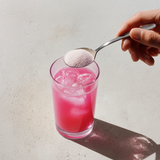
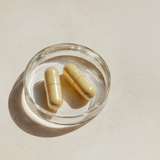
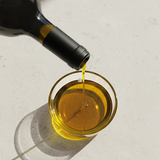
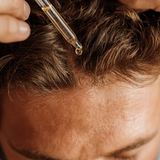
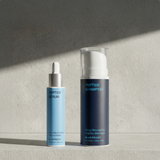
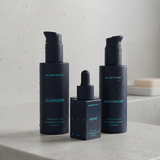
Hi friends, We might be the first generation that doesn't die. To that end, my team and I have spent the last few years building the world's first Don't Die protocol. Some of you don't care about Don't Die, you just want to be hot. That's cool too. It's really the same thing.To make this Don't Die thing understandable, I've made it into a game because humans love games. You'll learn how to flex your biomarkers with friends. You'll be able to share the science with friends on why poor sleep is a terrible idea.Personally, I have kind of taken this whole thing to the extreme. There's the world's fastest person, and the richest, but never before has there been the "Healthiest Person in the World." I've tried to become that person. I am certainly the most biologically measured person ever. Online, people refer to me as "immortal unc." That's what we care about. We are family and we care about your well-being. In fact, I want to be the strongest voice in your mind encouraging you to make health your top life priority.To remind you that you will be a better father, mother, brother, sister, friend, colleague, and human when you do so.If you're new to this game of health, don't worry. I made disastrous health decisions in life until I was 42 and my body has bounced back. No matter your situation, you can too.Below I'm going to share everything my team and I have learned over the past few years, spending millions of dollars researching, experimenting and measuring. We've made the mistakes for you.Know that we are also hard at work to make all of this easier, more accessible and fun.We are living in the most exciting time in human history. The future is probably cooler than anything we can imagine. Our goal is to get there, together. Don't Die, Bryan JohnsonPlanet Earth, 2026 ___________________ CONTENTS AboutBryan Johnson's BiomarkersWhat is the one thing I can do to improve my health?Do these things to lower your resting heart rate before bedMaster these 5 habitsHow to avoid bad habitsWhat is the protocol? ProtocolsSleepExerciseNutritionSkinOral careHairClean waterFemale protocolPregnancyMeasurement My daily routine Other Advanced TherapiesMesenchymal Stem Cells (MSCs)Gene TherapyCerebrolysinRx / PrescriptionsHBOT ProtocolSaunaMy sauna protocol Products I use ___________________   About Bryan Johnson's Biomarkers When I started Project Blueprint, I was a broken down 42 year old. Sugar cereal and soda as a kid, a decade of chronic depression, and 20 years of sleep deprivation. I was overweight, my joints hurt, and I was losing my hair.Five years later, I'm surprised. Really surprisedHere is a sampling of my biomarkers: muscle: 98th percentile (all men) fat: 98th percentile optimal (all men) bone mineral density: 99th percentile (all ages) resting heart rate: elite athlete level fertility: top 99th percentile (all men) sexual function (NTE): 99th percentile (all men) blood pressure: lower than 90% of 18-year-olds vascular function: late teen / early 20s VEGF: top 1% healthy individuals sleep: top quartile for 18-29-year-olds DNA biological age markers: telomeres: age equivalent 10-15-year-old telomeres regenerating rate: 12-year-old epigenetic speed of aging: 0.48 grip strength: top 5% of all ages blood glucose: lower than 98% of 18-25-year-olds blood sugar control: better than 99% of 18-25-year-olds I share this to give you hope that you can meaningfully change your health for the better. There are of course limitations with today's science, but more can be accomplished than most people think.   What is the one thing I can do to improve my health? The most common question I get: what is the one thing I can do to improve my health? I'll tell you. It's free and within your power.Lower your resting heart rate before bed. After spending years working on health, lowering your resting heart rate (RHR) before bed is the single most effective thing you can do for your health. Why? Because sleep is the best performance enhancing drug in the world. Get your dose every night. The reason why RHR works: when your resting heart rate (RHR) is low, your sleep is better. When your sleep is better, you're more likely to exercise and eat well. When you exercise and eat well…you do more positive things for your health. Conversely, if your RHR is high, you won't sleep well. Then you won't exercise and you'll eat poorly. Poor sleep destroys your self control. A vicious cycle.What increases your RHR before bed? Do these things to lower your resting heart rate before bed Eat your final meal/snack of the day four hours before bed. I stop eating around noon each day and that will get my RHR to around 39 beats per minute right before bed. If I achieve that, I'm going to have a perfect night's sleep. If my RHR is 56 because I ate an hour before bed, my sleep quality will be around 30-40% worse. Screens off 60 minutes before bed. Your body needs time to wind down. Your phone will keep you stimulated via doomscrolling, work and other activities. Read a book ten minutes before bed. In the sixty minutes before bed, do your hobby, listen to a podcast, read, go for a walk, journal, meditate, breathwork, or call a friend. Things that calm your mind. Be mindful of stimulants like caffeine, which has a half life of 6 hours. A cup of coffee at 4 pm leaves a half a cup of coffee in your system at 10 pm when you're trying to go to sleep. Use red and amber lights in the evening. Bluelight is bad for sleep. You can get blue light blocking apps (f.lux), glasses and also turn red mode on your phone. No fights after 5 pm. Fight in the morning when you're well rested.   Master these 5 habits People read the headlines about me and mistakenly believe that what I do is not accessible to them. The opposite is true. You can achieve similar health benefits by building some simple life habits. Sleep – high quality sleep is the world's #1 longevity drug. It underpins every healthy behavior including exercise, nutrition, and emotional resilience. I've built my life around great sleep, and I encourage you to do the same. Nutrition – I abide by a philosophy that every calorie must fight for its life. See the Don't Die food guide below. The key here, try to never let your mind make eating decisions on your behalf. Build and rely upon life systems. Exercise – 6 hours a week is ideal. Incorporate strength, cardio, flexibility and balance. If you can't do that, even 20 minutes a day is great. Family, friendship and community – love and be loved. It will extend your life. Things to avoid – fast food, junk food, smoking, vaping, excessive alcohol and social media, and anything addictive. Addiction makes you a prisoner.   How to avoid bad habits Years ago I could not stop myself from overeating everyday at 7 pm. I was building a startup, had three little kids, struggling to get along with my partner, and having an existential crisis with my born-into religion. The pressures of life forced me into the open arms of stress-eating. One day out of desperation, I said "Evening Bryan, you're fired. You make my life miserable. I can't sleep. I'm 60 lbs overweight and I feel awful all the time."Giving that version of me a name and then writing down his persuasive tactics such as "tonight is the last night" or "tomorrow we'll work extra hard to burn off the calories" gave me the tools I needed to stand my ground. Evening Bryan's authority to eat between 5 pm and 10 pm was revoked. No matter what, Evening Bryan cannot eat food because if given the chance, he'll eat too much and ruin life for Sleep Bryan, Morning Bryan, Work Bryan and Dad Bryan. We all have bad habits. Things we do that we don't really want to do. They never actually make us happy. They in fact make us sad and regretful. We all know this to be true.Here's one approach to move past your bad habits: Identify a version of you that is responsible for self destructive behavior and give them a name (i.e. Evening Bryan). Write down the persuasion techniques they use to get what they want ("today's the last day"). Prepare a list of rebuttals that enables you to stand your ground ("this is not what we really want", "we know this makes us sad and regretful"). Identify which versions of you should be in charge (i.e. Morning you) and give them the authority to make decisions on behalf of your Evening Bryan. Make firm rules about what you will and won't do. None is easier than some.   What is the protocol? What is the Blueprint Protocol? I think it's the best health protocol in the world. And I'm going to make it easy for you.I'm going to guide you to do fewer, not more things for your health. Habits and not expensive, exotic therapies.As you progress, I'll help you level up to do the best therapies too. I promise you, if you implement my protocol, you will feel better than you can remember. I promise you. As we go through this, you're going to feel the tension of your current habits, social obligations, and existing lifestyle. Don't worry. We'll work through it. Step by step. But again, I promise you. On the other side is a version of you begging your current self to take this seriously and give it a go.   Protocols Sleep Watch: top 10 sleep habits High quality sleep changed my life. It took me years to build the habits and systems that led to eight months of 100% perfect sleep. As far as I know, this is the best in the world. I'm going to teach you the habits for excellent sleep. We all know the energizing feeling of a great night's sleep. It rejuvenates the body, boosts brain function, powers the immune system, and regulates hormones. It's the foundation for well being and longevity. On the other hand, sleep deprivation impairs. Being constantly awake for 18 or 24 hours is equivalent to having a blood alcohol content of 0.05% or 0.1%, respectively. In the U.S. 0.08% is considered legally intoxicated. Get six hours of sleep or less on average and you're 4.2x times more likely to develop the common cold. A study in young healthy participants showed a 20% increase in S100-B levels following a single night of sleep deprivation, the same following a traumatic brain injury. One night with 4 hours of sleep showed a 70% reduction in the activity of natural killer cells in 18 out of 23 participants. One night of subsequent normal sleep was enough to restore NK activity to its baseline. Natural killer cells are what's killing cancer cells among other functions. Preclinical studies have established a causal link between the lack of sleep inhibition of immune surveillance and increased tumor growth in animal models.   Sleep deprivation diminishes cognitive functions, slows reflexes, and gives rise to poor decision making. It's linked to obesity, anxiety, depression and weakened immunity. If you only do one thing for your health: sleep. Master 10 habits Reframe Your Identity: You are a professional sleeper. Make sleep your #1 priority. Nothing influences your conscious and unconscious existence more. Plan your day around sleep. It's the most important appointment in your calendar. Sleep will make you a top performer. Create a 30–60 minute wind down routine: Set a specific time each evening to start winding down, for example reading, taking a warm bath, breathing exercises, soothing music. Focus on transitioning your work and worry brain to sleep mode. Get Morning Light: Get outside within the first 15–30 minutes of waking to set your circadian rhythm and boost mood or use a light therapy device (10000 lux) if natural sunlight isn't available. Regulate Evening Light: Dim the lights one to two hours before bedtime to create a relaxed atmosphere. Use warm (red is best) lighting in the evenings. Install blue light filters on your devices (i.e. flux) and consider blue light blocking glasses. Limit screen time at least an hour before bed and blackout your bedroom. Regulate Your Bedroom Temperature: Keep your bedroom temperature between 65–68°F (18–20°C). Choose breathable bedding and light sleepwear. Use fans or cooling devices and consider taking a warm bath before bed. Ventilate your room and or use a temperature controlled mattress if possible. Keep a Consistent Bedtime: Choose a bedtime that allows for 7–9 hours in bed each night. Avoid scheduling late nights and be consistent even on weekends. Set an alarm for winding down. Track your sleep patterns with a journal or sleep tracker. Curate Your Sleep Environment: Ensure your bedroom is quiet, dark, and cool. Invest in a comfortable mattress and pillows. I have a copper pillowcase. Remove distractions and keep your bedroom clean and clutter free. Consider using a noise machine to offset environmental sounds or earplugs if necessary. Buy a temperature controlled mattress if you can. Eat your final meal of the day hours before bed: Try to have your last meal of the day at least two hours (experiment with 4 and 6 hours before) before bed and avoid large meals close to bedtime. Eating close to bed creates large metabolic demands on your body, causes blood glucose fluctuations, reduces melatonin production, and disrupts your body's natural process of lowering core body temperature. Avoid Stimulants Before Bed: Try to avoid caffeine, alcohol, and other stimulants at least 8–10 hours before sleep. Caffeine has a half life of 6 hours in the blood. That means that consuming a cup of coffee 6 hours before bedtime is equivalent to drinking half a cup immediately before going to bed. Opt for herbal teas or other relaxing drinks in the evening. Gather Data: Track your sleep habits and patterns with a journal or sleep tracker. Use the data to make informed decisions and adjustments to your routine. Continuously monitor and tweak your habits to optimize your sleep quality.   Exercise Exercise 6 hours a week. 3 sessions of strength training 3 sessions of cardio Aim for 150 minutes of moderate activity (Zone 2) during which you can maintain a conversation. And 75 minutes of vigorous exercise where you're unable to converse (like HIIT). Include flexibility, balance, and mobility exercises.   A workout protocol guide can be found here. A few important tips: Avoid injury. Injuries can create serious limitations, create body imbalances and cause long term complications. It's worth being cautious even if it means not doing certain things. Create an exercise habit. Do it everyday, no matter what (unless you're injured, have a limiting medical condition, or under doctors' orders). You don't even think about it. It just happens out of habit. Do not give yourself the option to decide. Work on strength training, cardio, balance and flexibility. Move throughout the day. After each meal, be active for 5 to 10 minutes. Every 30 minutes, get up from your desk and move around a bit. Don't get caught up and paralyzed in all the nuances and rabbit holes of exercise. Being active, in whatever ways you can, pays big for your health. Considerations for premenopausal females: Women should prioritize high intensity and strength training during the follicular phase (first half of the cycle), as estrogen enhances performance, muscle growth, and recovery. In the luteal phase (second half), focus on lower intensity activities like Zone 2 cardio and lighter strength training, as higher progesterone reduces exercise capacity and slows recovery. Considerations for postmenopausal women: Prioritize strength training and HIIT to help maintain muscle mass, improve insulin sensitivity, and protect bone density. Weight bearing exercises are essential for reducing the risk of osteoporosis and maintaining overall functional strength as estrogen levels decline.   The scientific evidence behind exercise is compelling, plus it makes you feel great. Regular physical activity is extremely important for increasing life expectancy and overall health. Regular physical activity can reduce the risk of all cause mortality by 26 to 31% and cardiovascular disease by 28 to 38%. (link) A 2012 BMJ cohort study of ~1.1 million Swedish adolescent males showed that those in the weakest third for muscular strength had about a 20 to 35% higher risk of premature death (before age 55) compared with the strongest third, independent of BMI and aerobic fitness (Ortega FB et al., 2012). Every pound of muscle burns 3x more calories than a pound of fat (6 versus 2) (Zurlo et al., 1990). Working out 2 to 4 times beyond the minimum recommended amount of vigorous physical activity (150 to 299 minutes per week) is associated with a 21 to 23% lower risk of all cause mortality (link). Combining moderate and vigorous physical activity can provide nearly the maximum mortality reduction of 35 to 42% (link). Even small amounts of intense intermittent lifestyle physical activity (such as brief bursts of fast walking or stair climbing for 1 to 2 minutes) are associated with lower cancer risk.   Nutrition My philosophy on nutrition is that every calorie must fight for its life. We've reviewed the scientific literature for the best longevity foods and created the guide below. What I eat everyday: Daily macros: Calories: 2,250 (10% caloric restriction) Protein: 130 grams (~25%) Carbs: 206 grams (~35%) Fat: 101 grams (~40%) Note: A lot of people want to label others into nutrition camps that war with each other, i.e. plant based, carnivore, keto, paleo, etc. I don't identify with any of them. I follow the scientific evidence and data in determining what I eat. Whatever your food preferences, it's best if you measure your biomarkers to determine if the foods you eat are serving your body.   My daily food routine:See below for my entire daily schedule. Considerations for premenopausal women: During the follicular phase, women should focus on higher carbohydrate intake due to improved insulin sensitivity, while maintaining moderate protein levels to support muscle growth. In the luteal phase, as insulin sensitivity decreases, reduce carbohydrate intake and increase protein and healthy fats to support muscle maintenance and counteract the catabolic effects of progesterone. Supplements: Luteal phase: magnesium, Ashwagandha, Rhodiola Rosea, sodium, potassium can help reduce stress, balancing hormones, reduce PMS related fatigue, and combat water retention and bloating. Considerations for postmenopausal women: Increasing protein intake is crucial to support muscle mass and counteract the effects of declining estrogen, which can lead to muscle loss. Calcium and vitamin D intake should be prioritized to help maintain bone density and reduce the risk of osteoporosis. Supplements: calcium (1000 to 1200 mg per day) and vitamin D (2000 IU per day)   Skin Skin is the largest organ of our bodies. Up until just a few years ago, I kind of destroyed mine. I regularly got sunburns, had a poor diet, and didn't really do anything to nurture healthy skin. Now in my 40s, the damage is apparent. When we started Blueprint, we had the goal to measure every organ of the body, including skin, and slow its speed of aging and reverse the aging damage. I had a lot of skin aging damage, and we've used various technologies to measure my skin age. When I started Blueprint, my skin was in the 98th percentile for damage, with a skin age of 64. Now, my skin age has improved to age 36. Skin care basics This may seem like a long list but they're really all habits that you'll soon forget you're doing. Get sunlight early in the mornings and later in the afternoons Avoid direct sun exposure when the UV index is high (10 am to 4 pm) If in the sun during high UV times, use clothing, a UV umbrella or wear a hat and or mineral sunscreen Prioritize your sleep And eat a Blueprint like healthy diet Avoid junk, fried, highly processed foods Consume 20 to 30 grams of Collagen peptides daily. It's good to pair Vitamin C with peptides, which the Blueprint stack has.  Supplements: Niacinamide, Vitamin C, Polyphenols and Antioxidants, and Omega 3 fatty acids. These are in the Blueprint stack including Essential Capsules and Longevity Mix.   My skin daily protocol I reversed my skin age by the equivalent of 9 years. Effectively freezing my skin aging over the past five years. Here is the summary of how I did it. + Blueprint Cleanser+ Blueprint Serum+ Blueprint Moisturizer   Pro tips + Other UV Protection: UV-tinted windows (blocks 99% of UV) and a UV umbrella when outside. + Red Light Therapy: Daily 6 minute full body sessions per week for collagen production, healing, and mitochondrial health. Note, if you don't have easy access to red light therapy, don't worry. The basics are a great place to start. Measuring skin health We measure my progress and tailor treatments with Multispectral Imaging (Canfield's Visia device). It provides detailed views of skin health, tracking UV damage, pore size, and spots. Reveals much more than the eyes can see. Some wellness clinics offer this service, you can search locally to find one. Advanced skin therapies I've tried quite a few skin therapies and am currently doing these two. I'm always playing with new things though so I'll update this. Here is a summary of the advanced Skin focused therapies + 1927 nm laser (1x every 6 months, can do more or less depending on your status and goals) - improves skin tone, texture, dyschromia, sun damage, and fine lines, while also reducing actinic keratoses and pigmentation through accelerated epidermal turnover and renewal. + 1550-nm laser (1x every 6 months, can do more or less depending on your status and goals) - penetrates deeper into the mid-dermis, where it creates controlled microthermal injury that stimulates fibroblasts to produce new collagen and elastin, leading to improvements in skin firmness, wrinkles, acne scars, and overall structural integrity. + Sofwave (1x every 6 months, can do more or less depending on your status and goals): non-invasive ultrasound skin tightening system that delivers controlled energy into the mid-dermis to stimulate collagen and elastin production without damaging the skin's surface. By activating fibroblasts through precise thermal stimulation, it improves skin firmness, laxity, and fine lines, especially on the face and neck, with minimal downtime.   Oral care Oral care protocol:Nine steps you can follow to get your oral health in order: Waterpik: the first thing I do when waking up is use a water pick. It uses a high pressure stream of water to remove food, plaque, and bacteria from hard to reach places. Morning and night. Floss: after using the Waterpik to loosen particles, I use floss for plaque and debris removal. Brush: I use an electric brush, but you may prefer a manual. I enjoy soft bristles as it cleans effectively without unneeded harshness on the tooth or gums. Morning and night. Tongue Scraper: This is a game changer. If it's not part of your oral routine, I encourage you to try. It can significantly improve oral hygiene. Morning and night. Tea Tree Oil: I previously used tea tree oil, 2 to 3 drops with 2 oz of water. Recently I discontinued using it. Years ago it helped improve my oral health. Now that my baseline is back to ideal I have not needed it in my protocol. Bruxism Device: For 20 years I was grinding my teeth at night. If you have Bruxism, I strongly encourage you to address it. A dentist on Blueprint recommended the SomnoDent Bruxism Device, and for the first time in my life, my Bruxism has stopped. Wear while sleeping. Link Cleanings: Make sure you visit your dentist at least 2 times a year. It is important to identify problems early and remove hardened plaque. Even with diligent brushing and flossing at home, it's difficult to remove all plaque from your teeth.   Oral Hygiene Tips: Reduce sugar: Try sweeteners like Trehalose, Monk Fruit, Xylitol, and Allulose. Acidic Liquid: Avoid extended exposure to acidic fluids, such as coffee and lemon water. Avoid dry mouth: Stay hydrated. Saliva protects your teeth by washing away food debris, neutralizing acid, carrying essential ions like calcium, which help remineralize your enamel, making it stronger. Water pik, floss, and brush upon waking Travel Toothbrush: If I spend the day on the go, I'll take a travel toothbrush with me. Throughout the day you can sneak away to a bathroom and give your teeth a clean.   Hair Genetically, I should be bald. I started to lose my hair and go gray in my late 20s. Now, at 46, I've got a full head of hair and less gray. Here's how I did it (watch video). Start early and be proactive: I made the mistake of addressing my hair loss and graying after noticing it. By age 20, about 20% of men already have some visible hair loss. Many people lose up to 50% of their hair before they start to notice thinning. By age 50, up to 40% of women will have noticeable hair loss. Consider starting a hair health protocol before you can visibly detect loss. Nutrition: proper nutrition is important for hair health. You'll want to make sure you're getting adequate protein, Omega 3 fatty acids, Biotin (Vitamin B7), Vitamin C, Vitamin D, Vitamin E, Iron, Zinc and Biotin. The Blueprint stack has all of these. Blueprint Shampoo (scalp treatment) and Peptide Serum: The Blueprint system combines a water based, residue free, peptide serum and shampoo with patented delivery systems that target receptors for maximum impact, along with nanofluorosome technology activated by the Blueprint 302 Laser Cap.The serum contains eight biomimetic peptides, more than any other product, including EGF, Thymosin beta 4, SCF, hGH, VEGF, PDGF, Follistatin, and Copper Peptide 1, while the shampoo features a similar stack of peptides designed to optimize scalp health.   Instructions Step 1: Blueprint Peptide Shampoo (scalp treatment) Wash hair with your regular shampoo. Rinse thoroughly. Apply 1 to 2 pumps of Blueprint Shampoo directly to the scalp. Massage and lather onto scalp. It foams nicely. Leave for 2 minutes. Rinse out. Follow with your regular conditioner routine.   Why do I need another shampoo?Blueprint Peptide Shampoo is a scalp treatment.Wash with your regular shampoo first to remove oil and buildup, so this formula can work on a clean scalp and deliver peptides where they're needed. Step 2: Blueprint Peptide Serum Apply daily to dry scalp. Use a dropper to apply directly to the scalp and focus on areas of concern. One full dropper covers the entire scalp, adjust as needed. Massage in. Wear the Blueprint red light laser cap for 6 min to activate the ingredients. Wait until serum is completely dry, before using other styling products.   Topical hair formulation - I use a topical solution (7% minoxidil + a few other ingredients), 1 mL applied to my scalp each night. I then massage my scalp with a silicon scrubber for 1-2 minutes to stimulate blood flow. Blueprint is now fulfilling Rx for hair. Blueprint 302 Laser Cap (655 nm) - six minutes a day and you can be doing your morning routine as you wear it.  Oral Minoxidil - I take 3.75 mg a day. I started with 2.5 mg and evaluated for side effects. In a double-blind, placebo-controlled randomized clinical trial involving 90 men with androgenetic alopecia AGA, oral minoxidil (5 mg daily) was found to have similar efficacy to topical minoxidil (5% solution applied twice daily) after 24 weeks. Oral minoxidil is generally considered safe at low doses, but it can have side effects such as hypertrichosis (excessive hair growth) and headaches If you want to start oral Minoxidil, you can get the Rx from our friend Dr. Marjon Vatanchi, Irvine Dermatology. 949-800-8551, Concierge@irvinedermatology.com.   This protocol has worked remarkably well for me. I wouldn't take finasteride given its side effect risks. Good luck to you friends. Wishing you each the best in maintaining a full head of vibrant hair.   Clean water I'm using an alkaline water filtration system ($1,300 cost). There are similar systems that cost $300. System components: Carbon Filtration: removes all dirt (solid blocks are better because they can remove smaller particles and volatile organic compounds) Reverse Osmosis Membrane: dirty water is diverted for disposal, >85% pure water at this point Mixed Bed Deionization: removes impurities that the RO membrane misses and polishes water to laboratory grade high purity (all chemicals and pharmaceuticals removed to parts per billion) Remineralization and Alkalization: water infused with coral calcium sand (>70 naturally occurring trace minerals) Coconut Carbon Fiber: makes water taste as natural as possible If you're in the U.S. you can get my same water system from William @ +1 323.356.3142. I use simplelab to test the water.   Female protocol FOLLICULAR PHASE:This phase is distinguished by the growth and maturation of ovarian follicles containing eggs, starting with the first day of menstruation and ending with ovulation. During the follicular phase estrogen starts off low and slowly increases leading up to ovulation. Progesterone remains low throughout this phase. These hormonal changes lead to: An increase in estrogen levels causes increased insulin sensitivity (i.e. improves carbohydrate metabolism). Improved muscle synthesis: Estrogen promotes muscle recovery and growth. Lower core body temperature: Low progesterone levels lead to a lower core temperature, improving performance during high intensity sessions. Faster recovery: Higher estrogen levels contribute to improved recovery.   Protocol: Day 1 to ovulation (day 1 of menses to ovulation). Individual responses vary. Training:a) Prioritize high intensity workouts and strength training during this phase.b) Recovery is faster, train more often. Nutrition:a) Eat higher carb during this phase as insulin sensitivity is improved.b) Protein intake at 1.5 g per body weight in kg per day. Supplements:a) Standard Blueprint stackb) Calcium 1200 mg daily   LUTEAL PHASE:During the luteal phase, progesterone rises, peaking after ovulation and remaining high until menstruation. Estrogen also rises but decreases before ovulation. Increased core temperature: High progesterone elevates core temperature, reducing performance and slowing recovery. Insulin resistance: Progesterone decreases insulin sensitivity. Catabolism: Progesterone promotes muscle breakdown, requiring a higher protein intake and slowing recovery. Water retention: Progesterone increases water retention. Neurotransmitter changes: Progesterone can affect neurotransmitters like serotonin, leading to fatigue, irritability, and PMS.   Protocol: Post ovulation to menstruation Training:a) Prioritize zone 2 cardio and easier strength training.b) Recovery is slower, lower intensity and regularity of activities. Nutrition:a) Increase protein and healthy fats. Reduce carbohydrates as insulin sensitivity is reduced.b) Protein intake at 2.0 g per body weight in kg per day.c) Combat water retention with adequate electrolytes. Supplements:a) Increase Sodium 200 to 400 mg dailyb) Increase Potassium 200 to 400 mg dailyc) Increase Magnesium 100 to 200 mg dailyd) Ashwagandha 300 to 600 mg and Rhodiola Rosea 200 to 400 mg daily to help regulate stress, reduce bloating, and alleviate PMS symptoms during early and later luteal phase.e) Melatonin 1 to 3 mg nightly to help improve sleep quality.   Late Luteal Phase: Last week to a few days before menses. Training:a) Light training. Self care activities. Nutrition:a) Continued hydration.   How do you identify ovulation: Monitor your basal body temperature: Many wearables now track basal temperature during sleep or upon waking. Look for a 0.5 to 1.0 degree increase, which begins 1 to 2 days after ovulation and often persists until menstruation. Cervical mucus changes: You'll notice increased production and a change in consistency clear, slippery, and stretchy, similar to egg whites.   PERIMENOPAUSE AND MENOPAUSE: Training:a) Focus on strength training and HIIT to maintain muscle mass and prevent insulin resistance.b) Weight bearing activities and high intensity exercise are critical for protecting both bone and muscle mass. Nutrition:a) Increase protein intake to support muscle mass.b) Aim for 2.0 g per kg of protein per day. Supplements:a) Continue with the regular Blueprint stack.b) Use Ashwagandha and Rhodiola as needed for stress and mood management.c) Magnesium: 100 to 200 mg daily, as needed for mood.d) Calcium: 1200 mg daily.   Pregnancy If pregnant and on the stack.. What do you do: The ingredients in the following Blueprint products are known to be safe during pregnancy. However, we suggest you consult your doctor before use if pregnant or breastfeeding:a) Longevity Proteinb) Blueberry Nut Mixc) EVOOd) Protein powderse) Collagen The following supplements included in the Blueprint stack should be avoided during pregnancy:a) Longevity Mix, Ashwagandha, Curcumin, Red Yeast Rice, Nicotinamide Riboside, CA-AKG, Glucosamine Sulfate, Creatine, Sodium Hyaluronate, N-Acetyl-Cysteine. Consider adding the following supplements:a) Prenatal Vitamin with adequate methylated B vitamins (at least 600 mcg Methylfolate, 2.5 mcg methylcobalamin).b) Magnesium 500 to 600 mg daily.c) Iron 30 mg daily.d) Calcium 1200 mg daily.e) Omega 3 Fatty Acids DHA/EPA 1000 to 2000 mg daily (Low metal source, Blueprint Omega-3 out now). Nutritional recommendations:a) Balanced diet with at least 100 g of protein daily.b) Avoid processed sugars and foods to reduce gestational diabetes risk.c) Consume at least 30 g of fiber daily.d) Avoid raw meat, processed meat, unpasteurized cheeses, and high mercury fish.e) Avoid alcohol and limit caffeine to 200 mg daily. Exercise Recommendations:a) Aim for at least 150 minutes of moderate intensity exercise per week.b) Strength training at least 90 minutes per week.c) Consider adding in pelvic floor exercises.   Measurement We are working on a Mobile App and Biomarker testing products to enable you to track your health, measure blood work, engage with others, share updates, and meetup in real life. More details coming soon, sign up here to be updated. Routine Measurement Blood draw, every 3 to 6 months Full body MRI annually (if over 40 or a family history of high risk) Mole check, annually Dentist, every 6 months Eye doctor, annually Blood glucose CPM Breast self examination, monthly (ideally a few days after your period ends) Testicular self examination, monthly   My daily routine Bedtime In bed by 8:30 pm because every day starts the night before. Sleep is my #1 life priority because high quality rest makes hard things easy and impossible things doable. Following my sleep protocol, I achieved eight months of 100% perfect sleep. I apply my custom hair serum (1 mL) and then massage my scalp using a silicone scrubber. Morning ~5 am, I awake naturally as abrupt alarms can have negative effects. Body composition measurement: weight, fat, muscle, hydration, arterial stiffness. Breathing exercise or meditation for 5 min to get my mind and body right for the day. My eyes get light from a 10,000 LUX for 3 to 4 min as I'm up before the sun. Apply the Blueprint Peptide Serum to the scalp and wear the Blueprint red light therapy cap. Shower, wash stuff out of hair. 5:25 am (pre workout) An 8 oz drink consisting of: Blueprint Longevity Mix 1 scoop Creatine 2.5 g (Longevity Mix has 2.5 g for 5 g total) Microbiome Prebiotic galactooligosaccharides ½ tsp Inulin 1 tsp Arabinogalactan powder 1 tsp 5:35 am breakfast (pre workout) Blueprint Longevity Protein (watch: how I prepare) with: Blueberry Nut Mix Blueprint Collagen peptides 11 g Extra Virgin Olive Oil 1 Tbsp (15 mL) Berries I'll take the following pills: Blueprint Essential Capsules (2) Blueprint Advanced Antioxidants (1) Ashwagandha & Rhodiola (1) Omega-3 (EPA/DHA/DPA 800 mg)  Proferrin 10.5 mg NR (450 mg) or NMN (500 mg)   Morning longevity protocol Check air quality indoors and outdoors. 6:00 am - 60-90 min workout: I focus on balance, flexibility, strength training and cardio. Here is an example workout. I'll rotate listening to music, a book, podcast or educational video. On the weekends I'll hike, play pickleball, ride a bike, climb, etc. See exercise session for weekly goals. 7:30 am Dry sauna: 200F for 20 minutes. I place an ice pack on the boys. Important for fertility health. 8:00 am Red and NIR light therapy: 10 minutes. 8:15 am Shockwave therapy: 5 minutes, 3 times a week. 4500 shocks per session (sofwave, stemwave). 8:30 am shower: Blueprint face wash + moisturizer Apply 2 pumps of the Blueprint Shampoo to my regular shampoo and massage into scalp for one minute. 9:00 am Either HBOT (90 min) or IHHT (42 min). ~10:00 am Blueprint Metabolic Protein Extra Virgin Olive Oil (1 Tbsp) Blueprint Collagen peptides (1 scoop) Berries 10 am - work Every 30 minutes I'll do ~2-3 minutes of light activity such as walking, bodyweight exercises, stretching, light household activity, or dancing. All liquid I drink is mineralized, meaning it's tea or with electrolytes or the Blueprint Longevity Mix in them. This helps avoid having to get up at night to go to the bathroom. I also stop drinking fluids at 4 pm. ~10:10 am A 10 minute walk. Begin work. My morning hours are my best. My desk and chair are situated so that I can rotate between sitting and standing, always maintaining proper posture. Identify and focus on the highest priority items for the day. I try very hard to avoid checking messages or social media until now and even after I get my first hour of focused work in. 11:00 am My next meal: a Super Veggie like meal Black lentils, 45 grams dry, ~150 grams cooked Broccoli (head plus stalk), 250 grams (can also use broccoli sprouts) Cauliflower 150 grams Shiitake or White Mushrooms, 50 grams Garlic, 1 clove (a piece) Ginger Root, 3 grams Lime, 1 Cumin, 1 Tbsp Apple Cider Vinegar, 1 Tbsp Hemp Seeds, 1 Tbsp After prep, drizzle 1 Tbsp of Extra Virgin Olive Oil 1 to 4 Tbsp of fermented foods i.e. cabbage, kimchi, beets, etc. 11:15 am Focused work. Every 30 minutes I'll do ~2 to 3 minutes of light activity such as walking, bodyweight exercises, stretching, light household activity, or dancing. If not, my body screams at me for non movement. Noon, my final meal of the day which will be some combination of veggies, nuts, seeds and berries. Here's an example: Stuffed Sweet Potato, 500 calories 300 grams cooked sweet potato Chickpeas 45 grams cooked Grape Tomatoes 12 Avocado ½ Radishes 4 Cilantro ¼ cup Jalapeno Pepper 1 large Limes 2 whole Lemon 1 whole Chile Powder 1 teaspoon 1 Tbsp of Blueprint Snake Oil My Rx stack Armour Thyroid 60 mg (Rx) Levothyroxine 100 mcg (Rx) diagnosed hypothyroidism age 21 Minoxidil 3.75 mg (Rx) Metformin 500 mg (Rx) (6 week cycles on and off) Tadalafil 2.5 mg (Rx) Jardiance 10 mg (Rx) Acarbose 200 mg (Rx) Repatha 140 mg (Rx) once every other week Approximate daily macros: Calories: 2,250 (10% caloric restriction from RDA) Protein: 130 grams (~25%) Carbs: 206 grams (~35%) Fat: 101 grams (~40%) 7:30 pm A 10 minute walk outside. Social time with friends and family. Wind down routine. No messages, social media or screens. Night time mode activated. 8:00 pm Wash face, apply skin and hair serums. 8:30 pm - in bed and asleep within 3 minutes of my head hitting the pillow.   Other Advanced Therapies Mesenchymal Stem Cells (MSCs)Trialed using young Swedish bone derived mesenchymal stem cells (MSCs) from CellcoLabs. In March 2024, I had 300 million MSCs injected into my knees, hips and shoulders. Follow up MRI is in 12 months. (watch video) Gene TherapyReceived my first gene therapy in October 2023, Follistatin (watch video). CerebrolysinTrialed daily 5 mL cerebrolysin injections intramuscularly for cognitive benefits for three months. No effect measured. This does not mean it didn't help or hurt, we were just unable to identify a biomarker that could inform. Rx / Prescriptions Acarbose 200 mg daily - helps blunt post meal blood sugar spikes, improve insulin sensitivity, and has been shown in long term studies to reduce cardiovascular events and extend lifespan in animal models, making it a valuable tool for metabolic health and longevity. Tadalafil 2.5 mg daily - enhances endothelial function, reduces inflammation, and potentially protects against age related cardiovascular and metabolic decline. Also, if you think it's the cause of my titanic erections, match my dose, and post your numbers to compare with my average of 2 hr 57 min of night time erections. Candesartan 8 mg daily - evidence that it reduces blood pressure, protects against heart failure progression, preserves kidney function, and possibly reduces brain inflammation. Jardiance 10 mg daily - good evidence of SGLT 2 inhibitors as a longevity intervention and calorie restriction mimetic in animal experimentation. Repatha 140 mg/mL every two weeks for cholesterol optimization.   Rx Armour Thyroid 60 mg daily - diagnosed hypothyroidism age 21 Levothyroxine 100 mcg daily - diagnosed hypothyroidism age 21 Minoxidil 3.75 mg daily - hair growth   HBOT Protocol Hyperbaric oxygen therapy ranks as one of the highest value health therapies I've done. Starting a new HBOT protocol (Nov 2024)HBOT results (Mar 2025) Protocol Conditions: 100% oxygen at 2 atmospheric pressures.Schedule: 60 sessions, 5 sessions per week, duration: 90 min (20 min followed by 5 min air break, repeat).Chamber: HPO Tech hard shell hyperbaric chamber, ambient pressurized air (normal 21% Oxygen) with 100% oxygen delivered through a face mask. Caution: avoid chambers with 100% ambient oxygen: irritates the eyes and causes cataracts higher ignition risk harder to take a break or emergency stop the session Here are my results following 60 sessions (12 weeks): Wiped out all systematic inflammation in my body, hsCRP below detectable levels. Telomere and telomerase activity Extended my telomere length by 2.6% (10.3 → 11.4 kb). (Context matters here, as my baseline telomere length was already that of a 10 year old, so this extension is at the bleeding edge of longevity.) Telomerase activity of a 12 year old, associated with biological age Microbiome 250% and 290% increase in Short Chain Fatty Acids and n-Butyrate, respectively (important microbiome markers) Complete elimination of metabolic imbalance in my gut 300% increase in VEGF (formation of new blood vessels) Improved muscle oxygenation 235% spike in my vitamin D levels, unprecedented uptick, despite no change in my supplementation dosage in the last few years (likely a secondary effect of microbiome improvements) 28.6% reduction in pTAU217, an early dementia and AD risk marker in healthy people Dramatic improvements to skin health Sauna Regular dry sauna use at 175–212°F has been shown in multiple long term studies in Finland to dramatically reduce cardiovascular mortality by 63% and all cause mortality 40%. If true, that's a step function level reduction in risk of death. On par with exercise (35% reduction), mediterranean diet (25%), stopping smoking (50%), blood pressure control (30%), and weight loss in obese individuals (40%). My sauna protocol Type: Dry sauna (Plunge) Temperature: 200°F (93°C) Frequency: daily, 7 days a week Duration: 20 minute sessions Protection: Ice pack applied to the groin area to safeguard testicular and sperm health. Rehydration: 36 oz mineral supplemented water to replenish minerals (via Blueprint electrolytes ETA this summer) Tips for you… Aim for 3 to 5 sauna sessions per week, lasting about 15 to 20 minutes each, at 175–194°F (80–90°C) After workouts is ideal, as sauna boosts muscle recovery. Always hydrate thoroughly afterward Be cautious above 194°F (90°C). Cover your head with a damp cloth, breathing through it to protect your airways Never use a sauna when dehydrated, and drink plenty of water afterwards to rehydrate Use minerals and water to dehydrate in case you are a salty sweater (can be measured)   Caution points: Avoid or skip sauna if you: Have serious heart issues or uncontrolled blood pressure Are pregnant (consult your doctor) Have an infection, fever, or feel unwell Have a history of seizures Struggle with respiratory conditions (asthma, COPD) Have irritated or inflamed skin Recently consumed alcohol or recreational drugs Are taking medications such as beta blockers, stimulants, anticholinergics, or diuretics   Sauna Results 1/ Massive detox following 15 sessions 15 sessions of sauna dramatically reduced toxins in my body. 65% drop in 2,4-D 100% drop in MEP 15% drop in MBP 100% drop in MEHP (undetectable post sauna) 56% drop in NAPR 56% drop in HEMA 100% drop in Perchlorate (undetectable post sauna) After completing fifteen sauna sessions, each lasting 20 minutes at 200°F, led to a significant reduction in my environmental toxins, three went from being abnormally high to undetectable post sauna. The results show meaningful and consistent improvements across nearly all parameters. At 23 sessions Central blood pressure CBP: ↓12.6%, Biological age <20 (↓ 5–10 years)Central pulse pressure CPP: ↓28.6%, Biological age <20 (↓ 20 years)Pulse Pressure Amplification PPA: stable, Biological age 30sAugmentation pressure AP: ↓50%, Biological age 20s (↓ 3–5 years)Augmentation index AIx (stable): Biological age <20Subendocardial Viability Ratio (SEVR): ↑4.1%, Biological age <20 (↓ 2–3 years)Resting heart rate RHR: ↓4.4% (↓2 bpm) Biological age <20 For men doing a sauna protocol: definitely ice the balls! Here's my icing protocol ice the boys during sauna use a non toxic, reusable ice pack material I wear cotton boxers and shorts place ice packs in between boxers and shorts keep in place for the entire session My fertility markers improved from my pre sauna baseline after 27 sessions with ice on the boys: total motile count ↑57% concentration ↑26% motility ↑16% morphology ↑15% Damage from 15 sessions with no ice protection on the boys: 54% drop in motile count 57% drop in motility 55% drop in normal morphology Hot dry sauna has strongest clinical evidence and a unique mechanism Not all saunas are made equal, evidence points at the protocol we've deployed. Dry sauna sessions at high temperatures (≈80–100°C) and longer sessions (>19 min) have the strongest and longest running evidence for lowering resting blood pressure, improving arterial elasticity and, over decades, cutting cardiovascular and all cause mortality. This is what makes dry sauna unique, and very likely superior to wet (steam bath) and infrared saunas. By heating up skin way faster than your core, dry hot sauna (Finnish sauna) flips your core → skin temperature gradient, eliciting the following hormetic benefits: Enhanced Blood Flow: The heart pumps up to 70% more blood, similar to intense aerobic exercise (zone 2–3). Increased Sweating for Detoxification: To maintain a stable core temperature, the skin produces 0.6–1 liter of sweat per hour, facilitating significant detoxification. Improved Heat Tolerance: The body becomes better at handling heat, leading to a lower core body temperature (offering metabolic advantages). Safe Activation of Heat Shock Proteins: The skin experiences substantial heat shock protein activation, while a modest 1°C increase in core temperature is sufficient to activate these proteins without the risk of hyperthermia. Extended Exposure at Higher Temperatures: Dry saunas are more tolerable for longer durations and at higher temperatures, maximizing the benefits.   Red and Near Infrared Light Therapy (RLT) 2x 10 minutes daily (morning and evening routines)(JOOVE full body panels)Intensity measurement, energy dose calculations?? Shockwave Therapy I'm using it for proactive rejuvenation. This is my protocol: → 4500 shocks, 3 days a week→ Intensity: Level 14→ Area: cervical spine, shoulders, ankles, elbows, forearms, lumbar spine, hips and glutes, knees   Products I use Stuff you may want: Blueprint stack Blueprint hair care Blueprint skin care Blueprint blood biomarkers Dry sauna Air purifier (this is what I have which is probably overkill for residential) Wearable: Apple, Oura, Whoop, Garmin, they're all great. Eight Sleep bed
Test Your Biological Age for $0

Test Your Biological Age for $0

Link to downloadable PDF instructions How to test Follow the video for instructions Do each test Fill in your scores and ‘bioage/ranking’ on this chart.   1. Continuous Push-Ups Objective: Measure upper body strength and muscular endurance.Evidence: Associated with lower risk of cardiovascular disease.¹Target: Be ‘good’ or above for your age and gender Instructions:a) Lie face down on the floor with hands placed slightly wider than shoulder-width apart, elbows fully extended.b) Lower your body until the chest touches the floor, keeping the body in a straight line from head to heels. Keep an eye out for rounded backs (hips in the air).c) Push back up to the starting position. This counts as one push-up.d) Perform as many push-ups as you can without rest (considered to be holding at the top for more than 3 seconds), maintaining proper form.e) Record the number of push-ups completed. Equipment needed: noneMeasurement: Count (no units), greater number is better   2. Mobility Test: Sit Rise Test Objective: Assess flexibility, strength, and balance.Evidence: Predictor of all-cause mortality.² Instructions:a) From a standing position, sit down on the floor with legs crossed, without using hands, knees, forearms, or side of the legs for support.b) Rise back to a standing position without using any support (this is the goal).c) If support is needed, the scoring is as follows:i) Deduct 1 point for each hand, knee, or forearm used going down and upii) Deduct 0.5 points for unsteady executiond) The maximum score is 10. A score of 8 or more is considered ideal. Clarification notes: non-slippery flat surface, barefoot. It’s also a skill, so it’s ok to redo this a few times.Equipment needed: noneMeasurement: Count (no units), 10 is a perfect score, greater number is betterTarget: You want to get as high a score as you can - if you’re younger than 45, less than 8 puts you in the bottom 25% of the population.   3. Sit and Reach (YMCA) Objective: Measure flexibility of the lower back and hamstrings.Evidence: Flexibility plays a key role in health related fitness: injury prevention, risk of falling, postural deviationsTarget: You want to get as high a score as possible – aiming for at least ‘above average’ according to this chart (point to side of screen). Instructions:a) Sit on the floor with legs extended straight out in front of you. Using a tape, measure around a 10–12 inches of distance between your feet, with the tape being beneath your extended heel. Mark with tape.b) This is easier to do with no shoes on.c) Then use the tape measure at the 15” mark between the ~5–6 inch mark of the first tape marking (think like you’re making a “T” or a “+” with both tape measures) – the zero should be closest to the person. Heels should be resting on the masking tape.d) Instruct them to place one hand on top of the other, palms facing down, and reach forward as far as possible along the measuring line.e) Ensure you hold the stretch for 1–2 seconds.f) Measure the distance reached by the fingertips.g) Repeat twice and record the best distance. Equipment needed: yard stick, tape with sharpie to mark feet location on floorMeasurement: Distance (inches / in), larger number is better     4. One-Leg Stand / Balance Test Objective: Measure balance and lower body strength.Evidence: Successful 10-second one-legged stance performance predicts survival in middle-aged and older individuals (aged 41 and above). Inability to perform a 5-second OLS is a predictor of injurious falls. To perform a 10-second OLS test is associated with a lower all-cause mortality risk.Target: varies by age and gender Instructions:a) Stand with eyes shut and on one leg with the other leg bent at the knee and lifted off the ground and free floating.b) Hold this position as long as possible without touching the raised leg to the ground, using external support, or touching your other leg.c) Record the time you can hold the position in seconds.d) Perform the test on both legs and record the times. Clarification notes: do this barefoot, keep elbows extended, the arms naturally placed close to your body. This particular study allowed for 3 attemptsEquipment needed: timerMeasurement: Time (seconds), longer time is better   5. Reaction Time Test Objective: Measure quickness of response to a stimulus.Evidence: Reaction times become slower with age, increase with task complexity, and are more pronounced in women than in men. One study found that slower and more variable reaction times were linked to an increased risk of all-cause and cardiovascular disease mortality. Instructions:a) Download the App “Reaction Time & Reflex Test.” Click on the Game “Lights Out”b) Start a new test.c) Place your thumb or finger on the screen to start the countdown. All 5 lights will illuminate. As soon as the lights turn out pull your finger or thumb off the screen.d) Repeat 5 times and take the best score of the 5 tests. This will be the lowest number. Equipment needed: Free app downloaded and installedMeasurement: Time (seconds / sec), smaller time is betterGoal: achieve a faster-than-average reaction time for your age/gender.   6. Waist-to-Height Ratio Disclaimer: Not indicative of ‘biological age’, it’s more a general indicator of visceral fat + general body composition. This will affect your longevity.Objective: Measures your height and your waist, then gives a ratio. Lets you assess body fat distribution, metabolic health and risk.Evidence: Waist-to-height ratio is more predictive of years of life lost than BMI, as it is a proxy for measuring central (visceral) adipose tissue, which is more strongly associated with health risks than total body fat.Target: A ratio of less than 0.5 (or in the green area) is considered healthy. Instructions:a) With shoes off, use a tape measure or marking on a wall to measure your height in centimeters (cm).b) Measure your waist circumference at the narrowest point between the ribs and the hips in centimetres, pulling up your top.c) Clarification notes: do not “suck in” your stomach. You should be in a relaxed state during this measurement.d) Calculate the ratio: Waist Circumference (cm) / Height (cm). Equipment needed: measuring tape, calculatorMeasurement: Ratio (no units), smaller is better   7. [BONUS]. Grip Strength Objective: Assess hand and forearm strength.Evidence: Strongly linked to lower mortality and cardiovascular disease.³ Instructions:a) Use a grip strength dynamometer – costs about $20 on Amazon.b) Stand upright and hold the dynamometer at your side.c) Squeeze the dynamometer as hard as you can.d) Record the highest reading in lb after 3 attempts in each handi) The graph we have included is in pounds, not kg Equipment needed: dynamometerMeasurement: Force (pounds / lb), larger number is betterTarget: Aim for a ‘strong’ grip strength for your age            
WIRED Profile: Bryan Johnson

WIRED Profile: Bryan Johnson

Originally published in WIRED on July 21, 2025 Bryan Johnson Is Going to DieBy Katie Drummond Millions of dollars in treatments, supplements, and scans. Immortality through AI. Bryan Johnson’s longevity script has everything—except an ending. At first, the two bowls of fruit on Bryan Johnson’s kitchen island look perfect. They’re brimming with plump kiwis, hardy avocados, and ripened bananas. These are the food of the gods, I figure, for a man who aspires to live like one. But then I look closer. A lone orange, its skin flecked with mold, sits adjacent to two lemons, both almost entirely consumed by a layer of white fuzz. Something, it seems, is rotten in the estate of Johnson. That estate, it’s worth noting, is a predictable one. Johnson’s home in Venice, California, is the angular, concrete-floored template of a dwelling you’d assume is owned by a man. Specifically a man who worked in tech, made his millions, and subsequently embarked on a midlife, post-wealth search for purpose. All of which Johnson is, and did, and still appears to be doing: After selling his web payments company, Braintree, for $800 million in 2013, Johnson parted ways with both his wife and his lifelong Mormon religion. In 2021 he announced Project Blueprint, an effort designed to reverse his own body’s aging process. This involves an all-consuming, unproven regimen including but not limited to daily exercises, blood tests, a doctrinal sleep routine, MRIs, plasma transfers, scalp stimulants, urine tests, several dozen supplements, Dexa scans, light therapy, and caloric restriction. If the rotting fruit didn’t give it away, then no, this is not a kitchen where household memories are made over milk and cookies—although a collage of candid photos taped above Johnson’s stove offers hints of familial warmth. (Johnson has three kids, one of whom is infamous for donating data on his youthful erections and his own plasma to his father’s anti-aging efforts.) This is a kitchen, after all, that shares a home with specimen cups of semen and coolers of Johnson’s blood; where pills and powders, which I find meticulously stocked in Johnson’s walk-in pantry, are mixed, optimized, and consumed; where food is not eaten so much as nutrition is performed. Performance, of course, is Johnson’s specialty. There’s the performance of his body, which Johnson claims is now the single healthiest on Earth. And there’s how that body shows up to the viewing public, which it does quite often. Johnson has been the subject of dozens of profiles and interviews, as well as a Netflix documentary released earlier this year. He has amassed more than 4 million followers across YouTube, Instagram, and X, and he posts an ongoing stream of content about his sleep habits (sublime), his diet (meticulous), and his erections (trigger warning). Johnson has also used his online reach to push back against recent controversies, including a legal battle with his former fiancée Taryn Southern, and a New York Times investigation into his extensive use of confidentiality agreements to prevent, among other things, Blueprint employees from publicly talking about Johnson as well as his business dealings. Over a 90-minute conversation, Johnson spoke at length about his longevity protocol, his assessment of RFK Jr.’s MAHA movement, and those agreements that he continues to enforce. He also took great pains to convince me—and all of you—that this wasn’t just about health and longevity. No, like most tech men living in boxy modernist homes and saddled with illusions of grandeur, Johnson has a new holy grail with which to galvanize his faithful following: artificial intelligence, baby. This interview has been edited for length and clarity. KATIE DRUMMOND: I’m going to ask you a very simple true-or-false question that you can answer however you want. Ready? BRYAN JOHNSON: Yes. True or false: You, Bryan Johnson, the man sitting across from me, one day at some point in the future, will die. False. Tell me more. Death has always been inevitable, so we have made all these preparations. We talk about immortality in professional achievements. We talk about life after death. There are the ways that we’ve dealt with death up to this point. And now we have this real possibility of extending our lifespans to some unknown horizon. So that’s extension. But we also have the ability to begin moving ourselves to computational systems. So currently, in a very crude form, I have a Bryan AI that has digested everything I’ve ever said. You do currently have this? I do. OK. And that Bryan AI is pretty good. As the technology gets better and better, the most prized asset is going to be existence; immortality as we thought about it before, through accomplishment or through offspring or the afterlife, will be devalued relative to existing. And that’s my fundamental bet on the future. If there was a world where, let’s say in five years, you could upload Bryan into an AI—and AI Bryan is pretty much as good as Bryan Bryan—does Bryan Bryan eat the cheeseburger? Let’s think about your question in a different way. Most people today spend every waking moment pursuing wealth; and the time they’re not spending pursuing wealth, they’re pursuing some sort of status or prestige. When you give birth to superintelligence, you can start extending lifespans to some unknown horizon: 200 years, 1,000 years, 10,000 years. Millions of years. We don’t know. When that happens, the entire game of humanity shifts from that singular focus on wealth accumulation and status and prestige to existence. Now, embedded in existence, we may still play games of power, but it will be conditioned that existence itself is the highest virtue. That’s the shift that’s starting to happen right now. Let’s move the conversation to your immediate existence. You’ve talked at length about your protocol. Walk us through a day in the life right now. OK, cool. I have built my entire existence around sleep. My sleep profile is that of an early twentysomething. I’ve worked very hard at this. So it’s eight hours and 34 minutes. I’m up less than one time per night on average, I go to bed within two to three minutes of my head hitting the pillow, and I have 94 percent sleep efficiency. Typically, most people’s sleep signal is like the stock market, and mine is just flat. But to do that, you can’t just show up and say, “I’m going to put my head on the pillow and fall asleep.” You have to build your whole life system around that. So my day begins the night before when I go to sleep, and then I wake up around 4:30 or 5:00. First thing when I wake up, I get out of bed. I try to get up within one minute of waking. Within one minute? I try to avoid the “10 more minutes” or pull the phone up and start scrolling. I get up, I will get light in my eyes within a few minutes of waking—I wake up before the sun, so it’s 10,000 lux light. I’ll take my inner ear temperature. One thing we’ve noticed, as I’ve done this for the past four years, my body temperature has dropped almost 4 degrees Fahrenheit. And there’s good evidence that species with lower basal temperatures live longer. I will then put a serum on my hair, my scalp. Rub my scalp with a silicone scrubber for hair growth. I’ll take a quick shower, and then I’ll come downstairs. I have a morning drink. I will eat something, I’ll work out for an hour. I’ll do red light therapy, then hyperbaric oxygen therapy, then some sauna, then I’ll rinse off, and then get ready for work. That is quite a regimen. And then you stop eating for the day at … ? Around noon. Really quickly, rapid fire, ask me a couple questions about myself, and then tell me how I’m doing in the Bryan Johnson universe. Great. Go. What is your resting heart rate? 48 beats per minute. That’s fantastic. Thank you. What is your most recent body inflammation blood test result, your hsCRP? Bryan, I have no idea. What is your blood glucose level? A good one. OK. How many continuous push-ups can you do? Probably 10. OK. If you stood on one foot and closed your eyes, how long could you stay standing? A minute. What is—a minute? Yes, a minute. That’s very good. Yeah. Try me. Not right now. What is the length of your telomeres? I don’t know. OK. What are your omega levels? I don’t know. OK. These are very involved questions. What is your speed of aging? Well, according to the skin test I took earlier, Bryan, it was 1.9. Yeah. Yeah. I thought you were just going to ask me if I smoke. Or exercise. Or sleep enough. I can pose a question, like “How’s your sleep?” And you can give me a generic answer like “I sleep great,” but if you look at the actual data of your telomere length, it tells me the story of your overall health. These are readouts of your biology. They just say, “This is me in raw form.” There’s no storytelling. It’s just the data. I’m relieved that I don’t have that data for you right now. Now, you were a successful entrepreneur. You felt like you weren’t living your healthiest life. You parted ways with Mormonism. You got divorced. You went through all of these seismic life changes. A lot of people make major changes to their lives. Exceedingly few people—very, very, very, very, very few people—go as far as you have. What made you take this to such an extreme? I’m really motivated by having read various biographies of people throughout time and place. In their moment, they were able to identify the most far-ranging ambition identifiable in that moment. You couldn’t have sequenced the genome in the year 1800. You probably couldn’t have gone to space in the 1920s. In any given time, a new emergent possibility is present. Then two questions arise. One is: What is it? And two is: Will somebody do it? The year 2021 was the first time in human history where a person could say “We are the first generation who won’t die” and not be ridiculed. I saw that and I thought, this is a moment when it comes together, where you see it and you can do something about it. If you talk to people who know me, if you ask my husband, poor guy, they would say that I’m a very controlled person. I wake up at the same time every day. I do the same exercise. I tend to eat a lot of very similar foods. There’s a lot of routine and structure to my life. When I hear about the way you live, I, as a very controlled person, am astounded at how controlled your life is. Was control always something that was a defining characteristic? I would reframe it and say you’re actually a really smart engineer; you realize that the metabolic cost of you having to make these decisions every single day is so expensive that you say, “You know what? It’s not worth it. I’m just going to systematize this so that my brain can be allocated toward other higher-level thinking.” I view it the same way: Why would I fight these daily, miscellaneous, ultimately irrelevant decisions on a moment-to-moment basis when they can just be automated? I’d rather spend my scarce brain capacity thinking of higher-level things—about the future of the human race, for example. In 2023 I was leading the newsroom at Vice, and we published a story on you. You talked about your body image from decades ago. You talked about how hard it was at that time to control yourself around food at night. You said you now often go to bed hungry, and you’ve learned to find joy in that. You eat mostly plants. If I stripped your name out and looked at a bulleted list of those comments, that sounds a lot like me 20 years ago with a very serious eating disorder. It wasn’t about the number on the scale. It wasn’t about how I looked. It was about being able to systematize and control my environment. I think if you were to ask some doctors and psychiatrists, they would say, “Well, that sounds like disordered behavior. That sounds like an eating disorder.” How do you respond to that? Particularly when we’re talking about you as a public figure advocating for a certain approach to health, do you have concerns about what you’re advocating for? Most people I know in America have an eating disorder. I rarely meet somebody who doesn’t find themselves, late in the evening, powerless to stop themselves from eating the ice cream or the cookies or the chips. I clearly struggled with controlling my food intake. I would say it’s really more of a widespread societal problem, that we have an addiction problem with food, our phones, and our entertainment, our scrolling. I don’t know if my addiction is more excessive than other people’s addictions or if it’s just weighted more toward food versus the phone, but I’d say I’m probably pretty average on a population-level addiction scale. So you’ve taken what used to manifest in one way, which was an inability to control what you were eating and when you were eating it, and essentially adopted a new approach, which is saying, “I eat these things at these times, and I eliminate the variables. I take the choice out of it, and that is how I am going to manage this part of my health.” Exactly. And I guess more broadly it’s a cultural commentary, where I’m saying the most powerful forces in all of society—corporations—are pointing their power at getting you to be addicted to their thing. Whether it’s scrolling their app, eating their food, watching their show—all their intelligence is pointed at you and trying to get you to be addicted. I don’t want to be addicted to anything. I want to have agency and freedom over my existence as much as possible, so that’s what I’m trying to build. I realize that people on the outside looking in, they say, “He’s working through his childhood trauma. He’s working through a food addiction.” I’m open to all those explanations. I would be the first person to be self-deprecating and be like, “This guy has got issues.” Unquestionably. You’re addicted to longevity. I mean, there’s probably no way of actually getting over addiction other than controlling where your addiction is pointed. I want to ask you about MAHA. When President Trump won the election, you congratulated him on social media. You were photographed with RFK Jr. What is your assessment of RFK Jr. and the Trump administration vis-à-vis American health? How do you rate the administration so far? RFK is certainly not a status quo person. You could say that. The status quo in the US is not working. If you look at the data around the health of our citizenry, it’s embarrassingly bad. I think we spend 1.8 times our peer countries in health care: $13,000 per person versus $7,000 or so in the other developed countries. We spend more and we get less. Whether RFK is the solution or not, what we’re doing is not working, so I’m open to change, and I’m open to a variety of possibilities. It’s not to say that everything he’s doing is correct, but I do support the idea that we definitely need to change. Do you worry about medical research being delayed by years or decades if it’s curtailed right now? Oftentimes, when one path is discontinued, everybody thinks it’s an end of something; but actually, that change produces a new path that people didn’t anticipate. So no, I support the creative destruction. I think it could have some positive outcomes. Clearly, there could be some drawbacks. When you break things like this, it goes both ways. It’s not a clean win or loss. I think what would be cool is if we as a country said, “We want to be number one in the entire world for life expectancy.” That is a very clear goal. Let’s talk about faith, because for so many people, religion or faith is fundamental in informing how they think about life and death. They think about the afterlife, they think about heaven or hell or whatever version of an afterlife exists. If you are not a person of faith, and I am not, you think, “Well, my body disintegrates and goes into the ground and then it helps the trees grow and that’s just how this works. I am a biological organism.” How do you contemplate the idea of an afterlife or what happens after we die, given that you spend a lot of time focused on not dying? This is the biggest question. This is the one that everybody has to grapple with, which is, What is existence? But for the history of humanity we have not had an opening to ask the question, What does existence mean? Right now is the first opening in literally tens or hundreds of thousands of years. The new answer to existence is that existence itself is the highest virtue. Sounds like you now have a religion. Yes. When did that become an idea, and ultimately … why? You’ve got your public persona, you have your protocol, you have a business. Why bring religion into this? Companies come and go. Countries come and go. Religions have endured for millennia. Confucius built a system of ethics. Muhammad received visions. Jesus was the son of God. Adam Smith wrote about the invisible hand. Karl Marx wrote Das Kapital. The American founding fathers wrote a constitution. Satoshi dropped the White Paper. If you look at the major ideological and technological phenomena of the world, they’ve landed in different ways. It’s very obvious that right now, in this age of AI, a new ideology is going to drop. It always drops in answer to technological disruption. An ideology must help humans make sense of the world. When I look at the world right now, I can’t see any ideology that helps explain this moment, that helps me make practical day-to-day decisions. You can’t go to Christianity and say, “Tell me how I behave in this moment.” You can’t even go to democracy. You can’t go to capitalism. I want to make sure I understand. Your premise here is that AI will be this transformational technology that will extend our lifespan in some way, and there is not an ideology that supports mankind at that moment? I’m saying nobody knows what’s going to happen. All we know is that AI is improving at a rate that is unfathomable to our minds. Now, that doesn’t stop humans from saying, “I will explain to you what’s going to happen. It’s going to make the world an abundant place, and we humans are going to be able to do whatever we want, and we’re going to have one day a week where we work.” To be clear, I think that’s a very utopian and very unlikely scenario. I agree. I don’t believe any human knows what’s going to happen. I only believe we have an event horizon. Nobody can see past it. This thing is moving very fast. We as a species don’t move that fast. We can’t move that fast. We can’t change our society at that speed. So there’s going to be some kind of dislocation. And I’m trying to say we need to prepare ourselves in the most basic way we can. My solution for this is we choose to not die. That’s it. I’m not arguing for immortality. I’m not arguing for utopia. We as a species, our existence is at risk. We do not know if humans have a role in the future. We do not know if we’re going to survive this moment. We are already at each other’s throats. We have nuclear annihilation as a possibility. It’s a moment where we evolve into a species who say: The single thing we have in common is that nobody wants to die right now. That’s it. What is required for someone to be a disciple of this religion? At a foundational level, it’s a humility to say we don’t know what’s coming. Therefore, the most sober and practical thing to do is lock in our individual and shared behaviors. I’m not going to do things that kill myself. We’re not going to kill each other. We don’t kill the planet. And then we align AI with Don’t Die. Right now you’ve got the US developing AI, and China developing AI, and open-source models, and closed-source models, and we’re basically just putting it all into this coliseum where everyone’s going to fight it out for power. I don’t think we want to give birth to AI in a warlike scenario. So wouldn’t aligning your movement, in the context of AI, have more to do with making sure the AIs don’t kill us than taking supplements? You’re saying that so much of what you do is not about health, but so much of what you put into the world is about health. I do feel like this is legitimately an opening that we haven’t seen for a few thousand years, for a new global ideology to emerge rapidly and be the fastest-growing ideology in history. Something’s going to rise and fill this void, whether it’s Don’t Die or something else. So I was trying to figure out, how do you actually talk about this? People don’t care about philosophy. They don’t really care about ideas, not until it’s really important. What they do care about is their health, how they feel in the morning, how they look. I tried to approach this conversation in a way that would be understandable, where Don’t Die as a philosophy is going to bed on time and eating nutritious foods and saying no to junk food. Once you get people in, and they can understand health is a really good thing, you can bridge to philosophy and be like, “There’s this bigger thing going on that we can talk about.” So you are the founder of a religion. You are also the CEO of Blueprint; you sell supplements and a variety of products. You sell a finger pinprick aging test. Where do the religion and the commercial business start and stop? Where do they overlap? And why run a commercial enterprise off the back of this? I agree with you a hundred percent. And honestly, I am so close to either shutting it down or selling it. How close? I’ve been talking to people about this. I don’t need the money, and it’s a pain-in-the-ass company. Practically, I was having to solve these basic problems myself, like how do I find clean protein powder that is tested by a third-party lab and has low heavy metals? I need it for my body. Once I started doing it, friends were like, “Can I have some?” I’m like, “Sure.” It just evolved in a way where I was trying to do people a solid. The problem is now people see the business and give me less credibility on the philosophy side. I will not make that trade-off. It is not worth it to me. So yeah, I don’t want it. The New York Times published a story about you recently, and that story included reporting about the integrity of the products that you sell and about the financial health of the company. Is the decision to potentially sell or shut the company down informed by that, either that controversy or the fact that the company isn’t working the way you had hoped? It has nothing to do with The New York Times. I am not hiding from the New York Times article. I’m happy to take, head-on, every single allegation they made. I will say [their reporting on] the business, that was fucking made up. They take things and they contort it to fit their narrative, but anybody who’s been on the side of a hit piece knows it’s bullshit. You know it. I know it. [“We are confident about the accuracy of our story,” says New York Times spokesperson Danielle Rhoades Ha, “which included reviewing legal and internal documents as well as interviewing 30 people close to Mr. Johnson and his company.” —Ed.] As a journalist, I believe that our industry operates in good faith. I respect The New York Times. I read them every day. I know a lot of great journalists who work there. Obviously I had nothing to do with reporting that piece. Is the company right now a profitable company? Are you running a profitable company, whether you sell it or disband it? They painted it like we are in some kind of emergency financial situation. That is not the case. We are break-even, and I’ve said that publicly many times. We’ve had profitable months, we’ve had loss months. I’ve been very clear, we priced our products at the exact level to basically be break-even. Additional margin is just not worth it to me. It’s been a consistent strategy the entire time. The thrust of the New York Times piece was around how you use confidentiality agreements. You have a former fiancée who was also a former employee, and at least two other former employees, who have filed complaints with the National Labor Relations Board about confidentiality agreements that sound very extensive. In some cases, they’re 20-plus pages. Sometimes there’s an additional opt-in agreement. You’re so transparent about yourself publicly. I know so much about your body—more than I would like to—and that’s my choice. I can close the tab if I don’t want to hear more about your penis. But you are so transparent, and then you’re essentially saying to your employees, “Support me in my transparency, but don’t fucking say anything yourself,” right? I grew up poor. My mom made my clothes for me. I was poor until I was 34, and then I made a couple hundred million dollars. I’m new money. In that moment, when I made that money, I did not understand what it means to have money and how it fundamentally changes your relationship with the entire world. Over the past 12 years, I’ve learned what it means to have money. I will tell you, and anyone who’s been in this situation will tell you the same, it changes everything. My fiancée attempted to extract $9 million from me, and she used, quote-unquote, “the most feared law firm” in the whole world. They sent me this really scary 13-page letter and said, “Look, we’re going to say these terrible things about you, but you can make it all go away if you just pay us $9 million this week.” It was the first legitimate attempt on [my money]. [Quinn Emanuel, the law firm, declined to comment. In its settlement offer, it proposed that Southern would “enter into a full mutual release of all claims” against Johnson and “give up rights to use her life experiences” with him for the flat sum. —Ed.] This is at the tail end of “Me Too,” where I had friends and others losing their entire professional life over something, right? So it was a very high-risk situation for many people, who were seeing very serious consequences for public allegations. Often deservedly so. Sure. Whether deserved or not, when a phenomenon like that emerges, a cottage industry will emerge and people will say, “This is an opportunistic time for me.” We know there’s a variety of legitimate and not-legitimate situations. Do I cave and pay $9 million to make this go away quietly, or do I stand my ground? I slept on it and said, “I’m going to stand my ground. What they’re saying is not true, and I’m not going to buckle. I’m not going to pay for this.” To be clear, the allegations in the letter, in your view, were false? After two years of legal disputes, if you read the report, the arbitrator and then the superior court judge said there was no evidence for what she said. That whole legal process vindicated me, after millions of dollars in legal fees. Five years later, it’s resurfaced through The New York Times, and they don’t mention any of that. They don’t mention that she was discredited as a truth-telling person through this legal process, that she’s on record having said things that are just fundamentally not true. [LTL Attorneys, which represented Southern in her 2021 lawsuit against Johnson, declined to comment on litigation. According to court documents, the arbitrator did not adjudicate Southern’s claims, as she found that Southern “had not raised a triable issue.” Similarly, the state judge ruled Southern had “not established grounds to vacate the arbitration award,” which she had contested. —Ed.] When I’m walking into this world of Blueprint, I’m saying, “OK, now I’ve seen a few patterns here where people use things as an advantage for their own gain, and sometimes it ends up in an extortion-like effort.” So I said, “To address this, I’m going to be incredibly transparent. I’m going to say: When you come and work in my environment, this is what you could expect.” It was the most fair gesture possible. I understand this idea that you amass wealth and people see opportunity in that. And that if you want to come work at a company where someone is talking about their erections on the internet, they should sign something testifying that they are OK with that. What I’m not quite clear on is placing intensive limitations and restrictions on what employees can and cannot say about their work environment and their company. How does that tie into what you’re describing? I think you would agree that that is standard practice for a corporation. When you are a corporate entity, and even when you’re a married couple, there’s things you discuss in private which you don’t discuss in public. Corporations have boundary conditions around information, whether it’s IP, whether it’s product development. But everybody has rules and systems for how you control information. Almost nobody in society operates with complete transparency, because everybody has learned life lessons that things go wrong. People will use this to their advantage and to other people’s detriment. What I’m doing is not atypical at all. In your view, do you run a safe and supportive workplace? Yes. Is this a good place to work? Absolutely. You feel very confident in that? We have three goals at the company. The first goal is that our customers write us love letters. That’s the most important goal. Number two is that people say it’s the best job they’ve ever had. And three is that we say we are the best in the industry at what we do. I say this every single week in our company meetings. And on number two, I’ll say, “What this means, you guys, is if you’ve got an issue that you’re dealing with, if something is causing you to not like your circumstance, if it’s a process that’s annoying, if it’s something that doesn’t make sense to you, if your screen is too small, whatever the issue is, you have the opportunity to raise it. And when you raise it, we’re going to show you we have the organizational capacity to address it.” Most of the time when people experience things that they’re not happy about, the course of action is to talk to the coworker and be like, “I’m going to gossip about these things.” I don’t like it. I call this pebbles in the shoe. Do you have an HR person who helps with the pebbles? Yes. We call this person out and we say, for any issue you have, you can go directly to her; anything you have, you can raise it. Do you like being famous? From when we assigned that story at Vice in 2023 to now, you have become much more famous. I think the more famous someone becomes, to some degree, the less they can control the narrative out there about them. That’s right. Do you worry about a level of fame where you can’t systematically address the entire world and what’s being said? In the Netflix documentary, you seemed to take great joy and almost glee in reading nasty shit people say about you on the internet. I’ll take all the dunks about me all day long. It’s when they say something about you that challenges your trustworthiness—that’s what I would isolate. It’s trust that I deeply care about, and being respected by the 25th century. Maybe humans are not around, but whatever form of intelligence is around, I really care about them saying, “You know what? We’re grateful that there was a guy who tried to piece this thing together.” If my trust is in question, I can’t go after these bigger goals. On fame, I think it’s fantastic. If I had to choose between fame and a billion dollars, I would choose fame 100 times out of 100. It’s very hard to achieve. It’s uniquely valuable. I get access to almost anyone in the entire world at this point. If the goal is to create the fastest-growing ideology in the history of the human race and to pair it with the time when the species is evolving into something else, you need fame. So you’re not thinking about your legacy in a 10-year, 20-year, 50-year timeline, you’re thinking about hundreds of years? It’s the only time that makes sense to me. I did a thought experiment where I imagined being present in the 25th century. I’m sitting with them, and they’re talking in whatever form they’re talking, and they are looking back on the early 21st century. Just like we look back at other centuries and we compress them into a few major things but otherwise we don’t get into the details, they will do the same thing for the 21st century. So if they do that, what do they say? I thought about this question for years. One: They would say that’s when humanity gave birth to superintelligence. Two: That’s when humanity figured out that they were the first generation who wouldn’t die. And so I thought, how can you possibly act now on that information? You could build a biotech company, or you could try to pass governmental policy. But it’s very obvious we need a new ideological framework, and what’s more powerful than religion? So in the 25th century, when people are sitting somewhere talking about that guy Bryan who did this and that and the other thing, what are you doing? I joke that I am inevitably going to die from this ironic thing. I mean, that tree right there is about to fall, and it’s going to be over right now. Exactly. At least you will have been witness to it. It would be an amazing story. The article would be a banger. That’s the thing: It’d be good for business for you.
My sperm health protocol

My sperm health protocol

Hi Friend, While global sperm health is plummeting, my sperm count is over 4× the average. At age 48. Global data from 1973 to 2018: + sperm concentration declined by 51%+ total sperm count declined 55% My sperm concentration (143 million) and count (380 million) both exceed 1973 levels demonstrating you can maintain high fertility in the modern world.  Semen quality is a real-time readout of your biological age. My sperm health protocol ⬇️ Semen quality isn’t just about reproduction. It’s one of the clearest biomarkers of systemic aging: tightly linked to hormone health, inflammation, mitochondrial function, and metabolic fitness. Across five lab tests in 3 months, my total motile sperm count (TMC) averaged 165 million, more than 4 times the WHO threshold for natural fertility (40 million). My peak: 214 million.  Average sperm markers for a 45 yr old: + Swimmers. Typical = 80 million. Mine = 165 million.+ Motility. Typical = 35%. Mine = 43%.+ Morphology. Typical = <5%. Mine = 8%. My numbers consistently exceeded those averages by 2-4x. Protocol for optimal sperm health: + Sleep: 8+ hours nightly+ Reduce inflammation: omega-3s [Blueprint Omega-3 supplement coming soon], NAC, exercise+ Avoid testicular heat: no saunas (or sauna with an testicular ice pack), tight underwear, or laptops+ Eliminate toxins: alcohol, cigarettes, plastics+ Train hard: boost VO₂ max, lift weights+ Track: Testosterone, SHBG, LH, CRP + semen quality If your computer is on your lap now, remove it. Keep those boys cool. Bryan  
Inside Blueprint family dynamics
Dad bod is real
I tried HBOT- here’s what it did to my brain

I tried HBOT- here’s what it did...

Hi Friends, HBOT (Hyperbaric Oxygen Therapy) reduced a dementia-risk marker of mine by 28%. Details:  + pTAU217 just got FDA-cleared for early Alzheimer’s screening.  It also has prognostic value for healthy brains.  + The FDA just approved approved pTAU217/A𝛃42 ratio as the first blood test for the early detection of Alzheimer disease. + HBOT reduced my pTAU217 level by 28%. + A recent study also confirmed p-TAU217 as a marker of future dementia risk in healthy people. 0/ Phosphorylated tau protein (p-TAU217) is a disease marker that accumulates as tangles in the brains of individuals with Alzheimer's disease. Elevated concentrations of p-TAU217 can also be detected in the blood, higher concentrations predict faster disease progression. 1/ The FDA has just approved the marketing of Lumipulse G test, which uses pTAU217/A𝛃42 as the first blood test for early detection of Alzheimer disease in people over 55, showing symptoms for the disease.2/ The marker has strong prognostic value in healthy people as well. A study found a simple p-Tau217 blood test to be equally predictive of future cognitive decline risk to much more complex brain imaging of Tau-tangles. 3/ Cognitively unimpaired individuals in the highest 25% of pTau217 levels demonstrated a 57% elevated risk of future cognitive decline. This is comparable to the 61% increased risk observed in those with the highest 25% of Tau accumulation in pertinent brain areas (a statistically insignificant difference). The research proposes that p-TAU217 can serve as an initial screening tool in healthy individuals. Those with elevated blood p-Tau217 levels should then undergo brain imaging. 4/ HBOT reduced my blood p-TAU217 by 28% from 0.14 to 0.10 pg/mL. 0.15 pg/mL is considered the upper range of healthy. Remember me,  Bryan   
Can sauna reduce biological age?

Can sauna reduce biological age?

Hi Friend,There’s a lot of excitement around sauna. I’m going to test it out and see if it works. To start, I completed some baseline measurements. This will allow me to determine, using data, whether or not sauna has any positive health effects. Measure, always measure.  I'm 48 and my baseline measurements showed that my vascular age is 30.  Sauna is supposed to improve vascular age. I completed these six measurements as a baseline so we'll see if they improve following the sauna protocol. Here’s what I measured and what they mean:     Central Systolic Blood PressureThis is pressure near the heart. More predictive than a standard cuff. My score of 103 mmHg puts me in the 20–30 age range. Central Pulse PressureThe difference between central systolic and diastolic pressure, a tighter range is better, meaning less pressure stress on the heart.  Mine is 28 mmHg, slightly lower than the average healthy 20-year old male. Pulse Pressure AmplificationHow elastic my arteries are, higher = more arterial elasticity. My score of 145% reflects a healthy 25-35 year old. SEVRMeasures how much oxygen my heart gets between beats, higher is better. My result of 220% is consistent with cardiac perfusion of a 25-35 year old. Augmentation PressureHow much extra pressure hits your heart after contraction.  My AP is 2 mmHg, typical of someone in their 20s. Augmentation Index Wave reflection and arterial stiffness, lower = better (less stiff arteries).My score is 8%, suggesting a vascular stiffness of someone in their 20s-30s. Brachial BPTraditional blood pressure measurement. Mind: 115/74 mmHg is a healthy young adult. Remember to go to bed on time tonight. Bryan  
The hot truth about Finnish saunas

The hot truth about Finnish saunas

Hi Friends, Dry sauna is likely superior to wet sauna  Dry (Finnish) sauna delivers low-humidity heat, so your skin hits 40 °C in minutes while core creeps up only ~1 °C. That gradient shunts up to 70 % more cardiac output to the skin, mimicking moderate-intensity cardio without moving a muscle. 1. Enhanced Blood Flow: The heart pumps up to 70% more blood, similar to intense aerobic exercise (zone 3), with 50-70% of this increased flow re-directed to the skin, promoting vasodilation and improved skin circulation. 2. Increased sweating and detoxification: To maintain a stable core temperature, the skin produces 0.6-1 kg of sweat per hour, facilitating significant detoxification. 3. Improved heat tolerance: The body becomes better at handling heat, leading to a lower core body temperature (offering metabolic advantages) and an increased capacity for efficient sweating in hotter climates.   4. Activation of heat-shock proteins: The skin experiences substantial heat shock protein activation, while a modest 1°C increase in core temperature is sufficient to activate these proteins without the risk of hyperthermia. 5. Longer exposure at higher temperatures: dry saunas are more tolerable for longer durations and at higher temperatures, allowing users to maximize the benefits at minimal risk. Keep calm and sauna on,  Bryan
Is sauna worth the hype?

Is sauna worth the hype?

Hi Friend, There's evidence that sauna is a potential detox and longevity intervention with benefits to heart, metabolism, brain health, and skin. We’re going to put it to the test. Here’s what you need to know: 1: How it works Heat exposure in a sauna puts your body under mild stress, triggering natural repair processes that improve overall health. Finnish dry saunas specifically use controlled heat to stimulate these beneficial responses, including: + Repairing and maintaining proteins (heat shock proteins)+ Improving blood flow and relaxing blood vessels+ Boosting antioxidant activity+ Optimizing metabolism+ Enhancing fitness+ Reducing inflammation+ Strengthening immunity+ Recycling and repairing cells (autophagy) All these processes combine to give whole-body health benefits. 2: It protects your heart Regular sauna use (4–7 times a week, sessions lasting at least 19 minutes) can significantly improve heart health and lower blood pressure. Research shows the more often you sauna, the greater your protection from heart disease: Heart disease risk:2–3 times/week → 23% lower risk4–7 times/week → 48% lower risk High blood pressure risk (in healthy men aged 42–60):2–3 times/week → 17% lower risk4–7 times/week → 47% lower risk In patients with existing heart failure, using a sauna 5 times a week for 3 weeks improved heart function by nearly 7%, lowered stress hormones by 25%, and reduced heart failure markers by over 20%. Longer and more frequent sauna sessions offer the strongest protection. 3: It can improve mental health Regular sauna use can lower your risk of dementia and boost your overall mental health. + Better sleep: Over 80% reported improved sleep quality.+ Reduced pain: 33% experienced less muscle pain.+ Happier mood: Regular sauna users (1–4 times/week) report feeling happier and less stressed.+ Lowers dementia risk: lowers by 21% (2–3 times/week) and 48% (4–7 times/week)+ Lowers psychotic disorder risk: 4–7 times/week → 77% lower risk 4: Reduces inflammation Regular sauna use reduces inflammation and can ease autoimmune conditions. Studies in healthy middle-aged men show frequent sauna use lowers systemic inflammation significantly: 2–3 sessions/week: 17% lower inflammation4–7 sessions/week: 31.5% lower inflammation These anti-inflammatory benefits grow stronger with increased sauna frequency and are sustained over the long term. Sauna use notably reduces markers like hsCRP, fibrinogen, and white blood cell count, all linked to chronic inflammation. As a result, regular sauna sessions improve quality of life and ease symptoms in chronic inflammatory and autoimmune diseases, such as rheumatoid arthritis. 5: It can improve your metabolism Sauna can improve your body composition, metabolism, and fitness levels. It has shown:+ Significant decrease in bad cholesterol (total cholesterol and LDL)+ Transient significant decrease in blood fat (triglycerides)+ Small increases in good cholesterol (HDL) These benefits were seen in young men completing 10 sauna sessions (3 x 15 minutes, 2 min cool-downs in between). In a low powered study (small sample size with additional limitations), research also showed a 1.07% increase in muscle mass & 7.7% increase in bone mineral density. This is based upon 12 days of high-temperature (100°C) long sauna sessions (5 x 10 min each) across 4 weeks. 6: It may detox you Sauna may be effective for detoxifying your body. Your skin naturally helps flush out toxins through sweating, including heavy metals and certain harmful compounds. Research shows that sauna-induced sweating significantly boosts the removal of common environmental toxins like arsenic, cadmium, lead, and mercury. Longer sauna sessions (15–20+ minutes) can help clear out stubborn, fat-soluble toxins stored in the body. Additionally, sauna therapy has successfully reduced toxic buildup from chronic exposure to substances like methamphetamines, demonstrating its potential for powerful detoxification. 7: What about longevity? Regular sauna use is linked to a longer lifespan. Multiple studies show that frequent, long-term sauna sessions significantly lower your risk of dying from all causes. Regular sauna use (3–7 times/week) specifically reduces the increased mortality risk from chronic inflammation (high CRP). All-cause mortality risk (sessions >19 min):2–3 times/week → 24% lower4–7 times/week → 40% lower Effect of session length:11–19 mins → 9% lowerOver 19 mins → 17% lower Additionally, long-term sauna use dramatically lowers the risk of dying from heart disease in men and women (average age 63, followed for 15 years): 2–3 times/week → 29% lower4–7 times/week → 70% lower 8: My protocol My sauna protocol: + Type: Dry sauna (@thecoldplunge)+ Temperature: 200 °F (93° C)+ Frequency: daily, 7 days a week+ Duration: 20-minute sessions+ Protection: Ice pack applied to the groin area to safeguard testicular and sperm health.+ Rehydration: 36 oz mineral-supplemented water to replenish minerals (via Blueprint electrolytes ETA this summer) 9: How I will measure the effect Potential Benefits+ Enhanced cellular repair mechanisms, focusing on protein and cellular maintenance and repair.+ Increased metabolic efficiency.+ Improved physical fitness and exercise endurance.+ Better cardiovascular health.+ Enhanced neurological function.+ Possible positive changes in the gut microbiome. Measurements+ Heart Rate Variability (HRV)+ Resting Heart Rate (RHR)+ Blood Pressure (BP)+ VO2max, grip strength, and muscle oxygenation (MOXY)+ Bone Mineral Density (BMD)+ Muscle Mass+ Visceral and liver fat+ Endothelial function markers (ADMA/SDMA, NO, and F2-Isoproteins)+ Inflammation markers (CRP, IL-6, IL-10, TNF-a, and MMP-9)+ Neurological markers P-tau 217 and S-100B Bonus+ Salt content in sweat to track my need for mineral fortification for dehydration 10: Tips + Aim for 3–5 sauna sessions per week, lasting about 15–20 minutes each, at 175–194°F (80–90°C)+ After workouts is ideal, as sauna use boosts muscle recovery. Always hydrate thoroughly afterward+ Be cautious above 194°F (90°C). Cover your head with a damp cloth, breathing through it to protect your airways+ Never use a sauna when dehydrated, and drink plenty of water afterwards to rehydrate+ Use minerals+water to rehydrate in case you are a salty sweater (can be measured) Skip sauna sessions if you: + Have serious heart issues or uncontrolled blood pressure+ Are pregnant (consult your doctor)+ Have an infection, fever, or feel unwell+ Have a history of seizures+ Struggle with respiratory conditions (asthma, COPD)+ Have irritated or inflamed skin+ Recently consumed alcohol or recreational drugs+ Are taking medications such as beta-blockers, stimulants, anticholinergics, or diuretics Results are coming soon.  Don’t be afraid to perspire.   Bryan  
Maintaining protocols while traveling

Maintaining protocols while trav...

View this post on Instagram A post shared by Bryan Johnson (@bryanjohnson_)
How to get 100% sleep score while flying

How to get 100% sleep score whil...

View this post on Instagram A post shared by Kate Tolo (@katetolo)
My Anti-Aging Travel Essentials
The Three Power Laws of Health

The Three Power Laws of Health

Hi Friend, Today is World Health Day.I want to share something simple, but powerful: the 3 Power Laws of health. If you do these three things, you will:  Have more energy. Think more clearly.Sleep better. Let’s begin. Power Law 1: Sleep Reframe your identity.You are no longer someone who tries to get better sleep.You are a professional sleeper. That means you don’t sleep when it’s convenient. You don’t sleep after your show ends, or after finishing up some late-night emails, or after one more scroll through social media. Treat sleep as a craft, something you continually improve. It’s the foundation of every other part of your life. If you get your sleep right, everything else becomes easier. Here are 5 things to do immediately: 1. Eat earlier. Eat lighter.If your bedtime is 10 p.m., have your last meal by 8 p.m. Then push it to 7. Then try 6. Then 5. Find what works for you.You will quickly learn: the earlier and lighter you eat, the better you'll sleep. 2. Build a wind-down routine.Your body can’t go from hyper-focused work or buzzing social energy straight into sleep mode. It needs a transitional wind down phase. One hour before bed, shift your state. Screens off. No scrolling.Turn to breathwork, meditation, reading, stretching, or a walk. You’re sending your nervous system a signal: it’s time to slow down. 3. Adjust your lighting. Bright white lights signal alertness.If you want to fall asleep fast, switch to red light in the evening.I’ve replaced lamps in my house with red bulbs. They’re incredibly effective. The mood calms. Everyone winds down. 4. Stick to your bedtime.Routine is everything.If your bedtime is 10 p.m., aim to go to bed within 30 minutes of that every night. Deviate, and your body gets confused. Sleep quality suffers.Even with the same number of hours, inconsistent timing reduces sleep efficiency and recovery. 5. Avoid stimulants.This one is obvious but easy to overlook.If you're going to bed at 10 p.m., be mindful of your caffeine intake. Caffeine has a half-life of ~6 hours. A cup of coffee at 4 pm means that half a cup of coffee is in your system at 10 pm. Don’t let a badly timed coffee ruin your night. Power Law 2: Exercise When you sleep well, you feel well.When you feel well, you move well. And when you move, you feel even better. That’s the loop we’re building. Start here: Move your body for 30 minutes a day. This could be walking, running, swimming, strength training, biking. Anything that gets your heart rate up. Break up your day with movement. Every 20 - 30 minutes, get up. I do this constantly: stretch, take a few steps, reset. Moving your body throughout the day is just as important as your structured workouts. From here, you can go deeper. There’s an infinite rabbit hole of protocols, programs, and progressions.But the basics are the basics: Be active every day. Move every hour or so. Your body craves movement. Give it what it needs. Power Law 3: Diet Now, this one’s complicated. Because food is emotional.We use it to self-soothe.We use it to celebrate.We use it when we feel stuck. I know this firsthand. I was trapped. If you're struggling here, I see you. That’s why diet is Power Law #3, not #1. When you're well-rested and moving, you naturally want to eat better.If you're sleep-deprived and sedentary, your cravings take over. So here’s the truth: 1. Never rely on willpower. If there’s a time of day you always cave, for example, 7 p.m. that may include cookies or other late-night snacks, you can use a system for strength instead of willpower. Don’t wait until you're in the danger zone to decide. Decide ahead of time.You’re someone who doesn’t eat cookies at 7 p.m. Period. Make it a rule. Not a debate.2. Fire your worst self.For me, it was Evening Bryan.From 5 p.m. to 10 p.m., he was guaranteed to overeat. Every single day.So I fired him.I made a rule: no food after 5 p.m.It wasn’t about self-control. It was about self-preservation.You might not need that exact rule. But you probably know which version of you needs to be fired.3. Eat the Don’t Die Food Guide..Healthy fats. Quality proteins. Lots of plants. It’s not about being perfect. It’s about being directionally correct, consistently. Follow the Don’t Die Food Guide here.4. Avoid the obvious traps.Too much sugar. Too much alcohol. Smoking. You know what they are.You don’t need me to tell you. But you do need to decide where your standards are. And stick to them. We live in a world where personal health is insanely hard. I know; I’ve felt hopeless and helpless too. But now, I have systems. If you’re reading this right now, eating junk food, feeling off track, that’s okay.You’re here. You’re trying. That’s what matters. We’re building a community for a new societal norm of health.Where being healthy is normal.Where we support each other in the micro-moments. So when you’re about to give in, don’t just think about yourself. Do it for everyone else. Because when you make the right choice, others will too. And when you cave, we all feel it. Final word:You don’t need to be perfect. You need to be committed. These 3 Power Laws are your foundation.Master them, and you’ll become the happiest, healthiest version of yourself. Then we can start playing with all the cool stuff on top. But first:Don’t do it. I’m telling you. Don’t cave. Not tonight. Be well,Bryan
My NEW Morning Routine

My NEW Morning Routine

Hi Friend,Every morning, for the past two and a half years, I have followed a routine that’s been measured, refined, and optimized down to the smallest detail.We are pushing the frontiers of health and sharing it all with you. Here’s what that looks like in 2025:1. Wake Up~5:00 AM - I wake up naturally – no jarring alarms, as abrupt wake-ups can have negative effects on the body.2. Tracking My Core TemperatureFirst, I check my inner ear temperature. Most people sit around 98.7°F. I run significantly cooler – around 94°F (34.4C) – due to my health protocols. My metabolism has become more efficient. To put this into context, to achieve a similar body temperature (94°F), one would need to swim in ice for a mile. Checking my morning body temperature allows me to assess if anything is amiss. If my temperature is higher than normal, it may mean something is up. Females, your cycle will have your body temperature changing in predictable patterns. 3. Body Composition Check I take a quick body measurement using a Withings scale ($99 or $199) to track: Weight Fat Muscle Hydration Arterial stiffness 4. Breathing & Light Exposure To get my mind and body ready for the day: I do a 5-minute breathing exercise or meditation. Since I wake up before sunrise, I use a 10,000-lux light for 3–4 minutes to simulate natural morning light, helping regulate my circadian rhythm. 5. Hair & Scalp Routine I apply an Rx hair serum (Blueprint designed, out in June) and massage my scalp with a silicone scrubber for 1–2 minutes to improve blood flow. Then, I wear a red light therapy cap (Blueprint will have one in June) for 6 minutes to support hair growth while continuing my routine. 6. Hydration & Supplementation At 5:25 AM, I drink an 8 oz (236 mL) mix designed to support longevity: 1 scoop of Blueprint Longevity Mix 11g Blueprint Blueprint Collagen Protein 2.5g Blueprint Creatine (Longevity Mix already has 2.5g, totaling 5g) ½ tsp Prebiotic Galactooligosaccharides 1 tsp Inulin It’s comforting to know that the nutrition and supplements I get from Blueprint is 3rd party tested.  7. Exercise & MovementAt 5:30 AM, I train for 60–90 minutes, focusing on balance, flexibility, strength training, and cardio. My workouts include a mix of high-intensity intervals, resistance training, and functional movement. On weekends, I hike, play pickleball, ride a bike, climb, or do other outdoor activities. I rotate between listening to music, books, podcasts, or educational videos while training. 8. Breakfast & Supplement Routine At 6:45 AM, I have my first meal: Blueprint Protein (watch how I prepare it) with: 1 scoop of Blueprint Blueberry Nut Mix 11g Blueprint Collagen Protein 1 Tbsp Blueprint Extra Virgin Olive Oil 6g Blueprint Cocoa I also take my morning supplements: Blueprint Essential Capsules - 2 Blueprint Softgel - 1 Blueprint NAC + Ginger + Curcumin - 3 Blueprint Red Yeast Rice + Odor-Free Garlic - 1 EPA/DHA/DPA 800mg ProButyrate 600mg Proferrin 10.5mg NR (450mg) or NMN (500mg) Acarbose 200mg (Rx) Metformin (500mg) (Rx) While eating, I continue listening to a book, podcast, or educational video to make the most of my time. 9. Skin & Hygiene RoutineAt 7:15 AM, I follow my skincare and hygiene protocol: Face Care: Gentle cleanse, barrier strengthening serum, vitamin C, moisturizer. Sun Protection: Apply sunscreen if going outside when UV index is higher than 3 Shower Routine: Use body wash and exfoliate with a Japanese washcloth 2-3x per week Hair Care: Wash hair with Blueprint Peptide Shampoo, massage for 60 seconds with soft silicone brush to stimulate circulation. Once dry, apply Blueprint Peptide Serum and massage again with soft silicone brush (launching Summer 2025). 10. 10-Minute Walk & Work FocusAt 7:45 AM, I take a quick 10-minute walk outside, then begin work. My morning hours are my most productive, so I: Prioritize high-value tasks Rotate between sitting and standing at my desk for proper posture Avoid checking messages or social media until I complete at least one hour of deep work 11. Mid-Morning FuelAt 9:00 AM, I have my second meal of the day: Super Veggie (for those in the US, you can get Super Veggie delivered fresh): Black lentils, 45g dry (~150g cooked) Broccoli (head + stalk), 250g Cauliflower, 150g Shiitake or Maitake mushrooms, 50g Garlic, 1 clove Ginger root, 3g Lime, 1 Cumin, 1 Tbsp Apple Cider Vinegar, 1 Tbsp Hemp seeds, 1 Tbsp 1-4 Tbsp fermented foods (cabbage, kimchi, beets, etc.) Drizzle with 1 Tbsp Extra Virgin Olive Oil At 9:30 AM, I continue focused work, maintaining my posture throughout. How To Upgrade Your Morning Routine I don’t expect anyone to copy this routine. The point is to explore what’s possible and share insights so you can take what’s useful. If you’re struggling, start small.A short walk. Five minutes of meditation. One better meal. I spent nearly 20 years wrecking my body. If I can reverse that, just think what might be possible for you.Be well,Bryan P.S. If you want to follow my complete daily routine, you can do so here. Note:+ There may be slight differences in information between blogs and emails vs YouTube videos, as the protocol continues to be updated + You can find the most up-to-date protocol information on the protocol page.
Bryan Johnson Pace of Aging

I have the world’s slowest speed...

I have the world's slowest speed of aging: 0.48 Breaking the 0.5 barrier. This means: + My birthday now happens every 2 years + I am #1 out of 5,677 global Rejuvenation Olympics competitors + My three test average: 0.54This new biological aging measurement science has begun nipping at the heels of the best predictors of all-cause morality. What is the Rejuvenation Olympics? When I started Blueprint, people didn’t know what category to place me so they’d blurt out words like vampire, Patrick Bateman, techbro, f*#@ face, biohacker, Prometheus, Dorian Grey, and more. It was clear that we needed a new category to define what I was doing so I started referring to myself as a “professional rejuvenation athlete”. When LeBron James eats and sleeps well, and then sets records, we praise him. When I did the same, hate rained. Understanding rejuvenation as a sport helps confer some respect and formality to the practice. With this framework, I created the Rejuvenation Olympics. A leaderboard for people who want to compete on their speed of aging, or rather the slowness thereof. Blueprint, Don’t Die and the Rejuvenation Olympics I was doing two things with this. First, up until I started Project Blueprint and Don’t Die, health influencers and health fads were primarily storytelling-based and anecdotal. What was missing: rigorous science, measurement and data. When health decisions are managed by storytelling, it’s hard to know what to do as you never really know what does or doesn’t work and who is or isn’t telling the truth. This led people to be very confused and feel paralyzed. This inspired my project to become the most scientifically rigorous and quantifiable of all time. I became the most biologically measured person in human history. If the goal is don’t die, we need robust, science based systems, with quantifiable results. We built Blueprint on population level scientific evidence. So it’s not an accurate criticism that Blueprint is based upon my biomarkers. Blueprint is for everyone. Yes, each person’s Blueprint can further be customized to your individual needs however the core protocol is applicable to everyone of all ages. The Rejuvenation Olympics set a level playing field for anyone who wanted to compete in health and wellness. Humans love points, status and leaderboards, and these are essential for any competitive sport.  Why your Speed of Aging is important I chose the speed of aging metric because of the robustness and reliability of the signal it measures. DNA methylation is a whole-body health marker that integrates thousands of biochemical cues into a measurable signal. The speed of aging algorithm distills this into a single number: an individual’s PACE score. In just a few years, this new biological aging measurement technology has begun nipping at the heels of the best predictors of all-cause morality. And it’s an easy finger prick at home. When talking about health and wellness, people can compare markers such as blood glucose, hormones, cholesterol and others.  However, each of those are narrow in scope. DNA Methylation, and specifically the clock PACE, is a comprehensive assessment of one’s health.  So I created a new professional sport, gave it a name and rules and created a competition. As you might expect, people are really into it. Are you genetically gifted? From speaking to others on the leaderboard, I’ve learned that some people naturally (genetically) have a very low speed of aging. This makes intuitive sense based upon our life experience. Sometimes people do nothing for their health and are in perfect health. I personally met someone in the top 10 who was fairly close to me in his speed of aging and guess what he does for his health? Nothing. Meanwhile, lowering my speed of aging is a primary focus of my life. He is genetically gifted. I am not. However, even though I’m not genetically gifted, it is interesting that through methodical hard work, one can meaningfully slow down their speed of aging, even outperforming all the genetically gifted ones. When gene editing comes online, perhaps lowering our speed of aging will be a simple fix. Or, maybe it will even be a pill. Until then, I’ve loved playing this game of trying to understand the science, design evidence based protocols, and then execute with precision. The Rejuvenation Olympics has also been incredibly helpful for the entire health community, helping everyone understand what things increase and decrease one’s speed of aging. I’ll post more on this soon. How to compete in the Rejuvenation Olympics: 1. Get a Blueprint Speed of Aging Test. 2. When registering your test, you’ll have the option to participate in the leaderboard. 3. You need three tests to have a “verified” ranking on the leaderboard, and the tests need to be within the previous two years. Your best 3 test results within 2 years will be displayed, allowing for experimentation with various interventions and protocols while not punishing you for the learning process. Be well,Bryan  
Bryan Johnson 100% Sleep Score

How To Achieve A 100% Sleep Score

Hi Friend,Sleep is the most common thing I get asked about.People want good sleep and try to get good sleep, but are frustrated by the difficulty. Sleep is the most powerful drug available – for performance, mental health, and well-being. After years of experiencing the same challenges, I figured out how to reliably get high-quality rest. I achieved the best sleep score in the world. Eight months of perfect sleep. Here is how you do it. 1. Build your life around sleep.Right now, sleep is an afterthought in culture. When you're done watching your movie. When you're finished with work. When you feel like it. You need to treat sleep with the same level of seriousness and devotion as you do your work. It demands your best performance. 2. Consume your final meal at least two hours before bed.If your bedtime is 10 PM, finish eating by 8 PM. Then day by day, move it back by 30 minutes. By the end of the first week, you're having your final meal of the day at around 5 PM. Do this to lower your resting heart rate. You're giving your body time to digest food and prepare for sleep. The lower your resting heart rate, the better your sleep. 3. Avoid blue light before bed.An hour or two before bed, try to avoid blue light. That means turn off screens, or eliminate blue light from your screens (there are apps and settings to do this on computers and mobile devices).Instead, turn on red and amber lights. Light can significantly affect your readiness to fall asleep. 4. Create a wind-down routine.You can't just finish work and put your head on the pillow and expect great sleep. You need to calm your body and mind down. You need separation from work. Read a book, go for a walk, do a breathing exercise, take a bath, meditate, or journal. 5. Consistency.The body loves routine and will reward you with powerful sleep performance. Go to bed within +/- 30 minutes of your chosen bedtime every single day. Create the habit and stay with the habit. I have a routine where I maintain an internal dialogue, breaking myself into various characters: "Ambitious Bryan," "Anxious Bryan," etc., and I allow them to tell me about all the pressing things on their minds. I write them down and tell them that I hear them and will address them tomorrow after we get a great night's sleep. It's helpful for me to separate myself into different parts and empathize with their concerns and objectives. 6. Be mindful of stimulants.Caffeine has a six-hour half-life, so if you consume coffee at 4 PM, you have half a coffee in your system when you go to bed at 10 PM. People metabolize caffeine differently, so what's right for you will be unique. Err on the side of caution. Consume stimulants earlier in the day to avoid sleep disruption. Closing thoughts:Sleep is hard work.Success will take time, as with all things.Invest in the habits, and your body will perform. Be well,Bryan  
My New Skincare Protocol [2025]

My New Skincare Protocol [2025]

Hi Friend, Until I was 40, I kind of destroyed my skin.Sunburns, poor diet, no skincare routine.Now I'm paying the price. Here's what I'm doing now and what I wish I'd known earlier in life. When I started Blueprint, my skin was in the 98th percentile for damage on some markers, with an average skin age of 64. Now, my skin age has improved to between 37 and 42. Here are a few basics to maintain healthy skin: Exercise. Prioritize your sleep. Eat a healthy, Blueprint-like diet. Consider getting sun earlier in the day and later in the evenings when the UV index is lower. Avoid junk, fried, or highly processed foods, cigarettes, and vaping. The sun is good for you but not too much and not too little. Just the right amount will do. If you’re getting direct sun exposure when the UV index is high (10 am - 4 pm), you can protect your skin with options such as clothing, a UV umbrella, a hat, and mineral sunscreen.   My daily protocol: Face wash morning and night. Sunscreen (mineral). Moisturize (body and face). Targeted Treatments: Use products containing the following active ingredients:  + Niacinamide (morning and night) found in serums or moisturizers. + Vitamin C (morning) typically in a serum.+ Hyaluronic acid (as desired) – usually in a serum or moisturizer.+ Tretinoin (prescription, at night). Spot endocrine disruptors in skin care products:Endocrine disruptors are natural or man-made chemicals that may mimic or interfere with the body’s hormones, known as the endocrine system. These chemicals are linked with many health problems in both wildlife and humans. Next, here are some supplements to support skin health: Collagen (20-30g daily): Pair with Vitamin C to boost collagen synthesisNiacinamide (15 mg in Blueprint Essential Capsules). Hyaluronic acid (120 mg in Blueprint Longevity Mix). Here are some pro tips: UV-tinted windows to block 99% of damaging UV rays. A UV umbrella during high UV index times. Microdosing Accutane (40 mg weekly) for blemish-free skin. Alternatives include over-the-counter retinols. Red light therapy 3x per week. Note: If you don’t have easy access to red light therapy, don’t worry. The basics are a great place to start. To track my progress, we routinely measure the biological age of my skin using multispectral imaging (in the U.S., Visia is a popular choice). It provides detailed views of skin health, including: UV damage. Pore size. Dark spots. And many other indicators. Some wellness clinics offer this service. You can search locally to find one. There a few advanced therapies I've been experimenting with to target collagen production, skin firmness, and overall skin health: Tixel for improved collagen and elastin. Sofwave for improved collagen and elastin. Sculptra to boost natural collagen production (injected in the face). Finally, at Blueprint we are working on some exciting new products to cover all of your skincare requirements. We are developing a cleanser, serum, moisturizer, and SPF that will launch later this year. I’m excited to be on this journey with you. Be well, Bryan
Blueprint Recipes

Blueprint Recipes

Hi Friend, Here’s a list of the recipes I’ve been eating lately. One of life’s greatest joys for me. 1. Vegetable Stir Fry with Cauliflower Rice 1/2 medium onion, thinly sliced (approximately 75 g)   1/4 wedge of red cabbage, shredded (approximately 150 g)   1/4 wedge of white cabbage, shredded (approximately 150 g)  200 g mung bean sprouts (approximately 2 cups)   200 g chopped broccoli (approximately 2 cups)   225 g shiitake mushrooms, sliced (approximately 8 oz)   150 g sugar snap peas (approximately 1 cup)   15 g ginger powder (approximately 1 tablespoon)   15 g garlic powder (approximately 1 tablespoon)   30 ml gluten-free low-sodium tamari (approximately 2 tablespoons)   600 g cauliflower rice (approximately 20 oz)  15 ml olive oil (approximately 1 tablespoon)   Optional: 7 g hemp seeds (approximately 1/2 tablespoon) for garnish 2. Lemon Red Lentil Soup 15-30 ml olive oil (approx. 1-2 tablespoons)   3 large carrots, peeled and sliced (approximately 360 g)   2 stalks celery, chopped (approximately 180 g)   1 medium yellow onion, diced (approximately 150 g)   4 cloves garlic, minced   1.5 liters vegetable stock   225 g red lentils (about 1.5 cups)   2 bay leaves   2.5 g turmeric (approx. ½ teaspoon)   5 g cumin (approx. 1 teaspoon)   Juice of 1 lemon   Zest of 1 lemon (optional, for added flavor)  3. Chickpea Vegetable Frittata 240 g chickpea flour   360 ml water   1/2 medium onion, finely chopped   2 red peppers, diced   1 medium zucchini, diced   1 bunch parsley, chopped   1 bunch chives, chopped   2 garlic cloves, minced   15 g garlic powder (approx. 1 tablespoon)   15 g ground cumin (approx. 1 tablespoon)   1 Roma tomato, diced   225 g sliced mushrooms   15 ml olive oil (approx. 1 tablespoon) 4. Chickpea Stew 5 cloves garlic chopped 1 tbsp (6-8g) cumin 2 tbsp (30mL) extra virgin olive oil 2 tbsp (30g) tomato paste 1 tbsp (6-8g) paprika 1 tsp (3g) red pepper flakes 3 cups (500g) cooked chickpeas 2-3 tsp (5-7g) za'atar  2-3 bay leaves 1 roasted bell pepper 5. Cauliflower Lentil Loaf Loaf: 200g cooked lentils 300g riced cauliflower  150g chopped onion 8 oz mushrooms  30g nutritional yeast 5g minced garlic  5g Dijon mustard  2.5g smoked paprika  2.5g cumin  1.5g black pepper  1.5g chipotle powder  Glaze: 80ml unsweetened ketchup 5ml liquid smoke 6. Mushroom and Walnut Bolognese with Spaghetti Squash 225 g chopped cremini mushrooms 40 g chopped onion (1/4 cup) 40 g chopped carrots (1/4 cup) 40 g chopped celery (1/4 cup) 2 cloves garlic, chopped 60 g chopped walnuts (1/2 cup) 15 g garlic powder (1 tbsp) 15 g Italian seasoning (1 tbsp) 15 g tomato paste (1 tbsp) 340 g tomato sauce (12 oz) 30 ml gluten-free tamari ( 2 tbsp) 30 ml balsamic vinegar (2 tbsp) 1 medium spaghetti squash (about 1/2 squash after roasting) 5 ml olive oil (for greasing, approximately 1 tsp) 7. Herb Seasoned Cauliflower “Turkey with Sweet Potato Mash and Blanched Green Beans “Turkey”: 1 large head of cauliflower  30 ml olive oil 10 g garlic powder 10 g onion powder 10 g smoked paprika 5 g dried thyme 5 g dried rosemary 15 g nutritional yeast  100 ml vegetable broth (for basting) Sweet Potato Mash: 800 g sweet potatoes 30-60 ml almond milk (or any plant-based milk) 5 g garlic powder  5 g ground cinnamon  Blanched Green Beans: 400 grams green beans, trimmed Ice water (for blanching) 8. Black Lentil and Olive Salad with Spiced Roasted Carrots and Sundried Tomato Hummus Spice Roasted Carrots: 3 large carrots, sliced into thick coins 1 shallot, thinly sliced 2 tbsp extra virgin olive oil 1 tbsp maple syrup 1 tsp smoked paprika 1 tsp ground cumin ½ tsp salt Salad: 1 cup black lentils, rinsed 2 cups water or vegetable broth 1 tbsp red wine vinegar 1 tsp dijon mustard ¼ cup black currants ½ cup castelvetrano olives, pitted and chopped ⅓ cup roasted almonds, chopped ¼ cup flat-leaf parsley, finely chopped 2 tbsp fresh mint, chopped To Serve: ½ cup sun-dried tomato hummus 9. Sweet Potato and Cabbage Curry with Cauliflower Rice Curry: 2 cups shredded fresh cabbage 1 medium/small sweet potato, diced into 1-inch pieces 1 medium onion, finely chopped 2 tbsp olive oil 1 tsp cumin seeds 1 dry red chili, broken into pieces ½ tsp turmeric powder 1 tsp coriander powder ½ tsp red chili powder (adjust to taste) ½ tsp salt (or to taste) Garnish & Serving: ¼ cup chopped cilantro 1 tbsp lime juice 2 cups cauliflower rice 10. Grain Free Porridge with Butterfly Pea Flower 250ml (1 cup) macadamia nut milk 30g (1/4 cup) almond flour 15g (1 tbsp) hemp seeds 10g (1 tbsp) chia seeds 10g (1 tbsp) ground flax 1/2 tsp vanilla extract 1 tsp butterfly pea flower powder 1/4 tsp cardamom Handful of fresh berries for topping   Instructions: Add all the ingredients into a blender Blend until smooth Top with the fresh berries Serve and enjoy   11. Mushroom Walnut Stuffed Acorn Squash Squash: 2 medium acorn squash, halved and seeds removed 1 tablespoon olive oil Filling: 1 tablespoon olive oil 16oz crimini mushroom 4tbs chopped walnuts 4tbs unsweetened dried cranberries 1tbs honey 1/2tbs cinnamon 12. Butternut Squash Soup with Roasted Apples and Carrots (Serves 4-6) 1 medium onion, diced 3 cloves garlic, minced 1 medium butternut squash, peeled, seeded, and cubed (about 4 cups) 2 Honeycrisp apples, peeled, cored, and diced 2 large carrots, peeled and chopped 1 teaspoon garam masala ½ teaspoon ginger powder 4 cups vegetable broth 1 cup coconut milk 2 tablespoons olive oil 13. Black Bean and Mushroom Bowl with Chickpea Rice (Serves 2-3) 1 can (15 oz) black beans, drained and rinsed 1 cup cherry tomatoes, halved ½ medium onion, diced 1 cup oyster mushrooms, chopped 1 teaspoon umami seasoning ½ teaspoon cumin ½ teaspoon garlic powder 1 tablespoon olive oil ¼ cup pickled red onions 1 cup fresh spinach ½ cup shredded carrots ½ cup sliced radish ¼ cup chopped cilantro 1 ½ cups cooked chickpea rice 14. Superfood Smoothie (Serves 1-2) ½ cup strawberries ½ cup blueberries ¼ cup pomegranate arils ½ cup dark cherries, pitted 1 cup almond milk 1 tablespoon flax seeds 5-6 macadamia nuts 1 teaspoon chia seeds 1 teaspoon blueprint cacao   Instructions Add all the ingredients into a blender Blend until smooth Serve and enjoy   Enjoy, Bryan
I stopped taking rapamycin

I stopped taking rapamycin

Hi Friend, On September 28th, I decided to stop rapamycin, ending almost 5 years of experimentation with this molecule for its longevity potential. I have tested various rapamycin protocols including weekly (5, 6, and 10 mg dose schedules), biweekly (13 mg), and alternating weekly (6/13 mg) to optimize rejuvenation and limit side effects. Despite the immense potential from pre-clinical trials, my team and I came to the conclusion that the benefits of lifelong dosing of Rapamycin do not justify the hefty side-effects (intermittent skin/soft tissue infections, lipid abnormalities, glucose elevations, and increased resting heart rate). With no other underlying causes identified, we suspected Rapamycin, and since dosage adjustments had no effect, we decided to discontinue it entirely. Preclinical and clinical research has indicated that prolonged rapamycin use can disrupt lipid metabolism and profiles [1], as well as induce insulin and glucose intolerance [2] and pancreatic beta-cell toxicity [3].  Despite anecdotal evidence of rapamycin slowing down tumor growth, its effect in inhibiting natural killer cells [4] raises concerns for anti-cancer immune surveillance and cancer risk in the longer run. Additionally, on October 25th, a new pre-print [5] indicated that Rapamycin was one of a handful of supposed longevity interventions to cause an increase/acceleration of aging in humans across 16 epigenetic aging clocks. This type of evaluation is the first of its kind, as most longevity interventions up to date have been tested against one or two aging clocks, leading to invisible biases and potential intended “cherry picking” of favorable clocks for the tested interventions. Longevity research around these experimental compounds is constantly evolving, necessitating ongoing, close observation of the research and my biomarkers, which my team and I do constantly. Be well, Bryan   Sources https://pubmed.ncbi.nlm.nih.gov/12177161/ https://pmc.ncbi.nlm.nih.gov/articles/PMC3384435/#:~:text=(D)%20Chronic%20treatment%20with%20high,rapamycin%20induces%20Klotho%20%5B64%5D https://diabetesjournals.org/diabetes/article/62/8/2674/34093/Evidence-for-Rapamycin-Toxicity-in-Pancreatic https://pmc.ncbi.nlm.nih.gov/articles/PMC4084728/#:~:text=In%20contrast%2C%20rapamycin%20significantly%20inhibited,cells%20in%20rapamycin%2Dtreated%20recipients https://pubmed.ncbi.nlm.nih.gov/39484592/
I am the healthiest person on the planet

I am the healthiest person on th...

Hi Friend,I have the best biomarkers in the world. I am the healthiest person on the planet.I am fitter than most teenagers. My skin is smoother than that of women in their 20s who obsess over theirs. I have more stamina in bed than men in their 20s. I have better health markers than any hater, health influencer and anti-aging doctor and scientist.My mind is sharper than it's ever been. My mental health is at its peak. My protocol - which is loyal to data and science - is better than any big-money influenced government guideline or pseudoscience social media fad. Blueprint is the new standardHere’s the data.The coolest question in existence right now is exploring if we are the first generation to not die.“Do this, don’t die” is the oldest and most played game in human history. Every religion is “do this and don’t die”. Professional, military and political achievements are fueled by remembrance of contribution, “do this and don’t die”. Having kids is the same. It’s the universal game played by humans. We don’t want to die.The difference is that now after hundreds of thousands of years of warming up to games of “do this, don’t die” the real “don’t die” game is here.We are giving birth to superintelligence. We no longer know how long and how well we can live. We have no idea how expansive and rich existence could be. The depths of our ignorance and unknowing about the future may be similar to H. erectus one million years ago. Imagine asking them what they think the future would bring? They’d simply talk about things they already knew. Hunting, foraging and killing. They wouldn’t be able to speak about the microscopic world of atoms and molecules. Of the invisible electromagnetic spectrum, or antibiotics, or of smartphones.We may be the same as H. erectus. We may have no models that can help us say anything intelligent about the future except for that in this moment, we don’t want to die and want to be around to see what unfolds.We are on the eve of what may become the most spectacular intelligent existence to ever occur in the galaxy and yet we’re still foolishly primitive. Killing ourselves. Killing each other. Killing the planet. We are drunk on debauchery, greed and violence.Technology is evolving faster than anyone can comprehend. We are evolving into something new as a species. This may be the end or the very beginning.We would be wise to see this moment for what it is: the most radical evolutionary moment in our history.No existing idea of human thought or societal organization is robust enough to meet this moment. Not democracy, not capitalism, not any religion or ideology. We need a new ideology that can guide us through this moment.New ideologies have formed throughout history. They emerge in tandem with new technological, political and economic realities. Of course a new ideology would rise in this moment.Don’t die is the universal game every human plays every second of every day. It’s the single thing that every human on this planet agrees with and actively practices constantly. Don’t die individually. Don’t kill each other. Don’t destroy the planet. Align AI with Don’t die. Don’t die is a new economic, political, social, ethical and moral system. It’s what intelligence does when it becomes super.I don’t expect you to understand Don’t die based upon what I’ve written. I’ve found that it takes about two hours of intense conversation to just begin to understand it. It challenges everything you know. Everything you’ve ever learned. And all your intuitions. Until you understand it, you’ll try to come up with countless arguments to try and make it go away. I’ve had this conversation over a thousand times and the patterns are identical every single time. The emotions, the responses, rebuttals, and reasoning.Until we get the chance to have this conversation. Join me in embracing this moment for what it is: the coolest time to ever be alive. The greatest opportunity for any human. We need to band together and rebuild our societal systems that acknowledge that existence is the highest virtue.We can start with ourselves.Go to bed on time. Exercise daily.Eat well. Drop the bad habits. Help others do the same.Be well,Bryan
How to Make My Anti-Aging Lunch (Live to 120+)

How to Make My Anti-Aging Lunch ...

I eat Super Veggie every day. I love it. Here’s how to make it at home: Super Veggie Ingredients Black lentils, 45 grams dry, ~150 grams cooked Broccoli (head+stalk), 250 grams (Can also use Broccoli sprouts) Cauliflower. 150 grams Shiitake or Maitake Mushrooms, 50 grams Garlic, 1 clove (a piece) Ginger Root, 3 grams Lime, 1 Cumin, 1 Tbsp Apple Cider Vinegar, 1 Tbsp Hemp Seeds, 1 Tbsp After prep, drizzle 1 Tbsp of Extra Virgin Olive Oil  Super Veggie Instructions Weigh vegetables. Place broccoli, cauliflower, mushrooms (maitake or shiitake), ginger and garlic in boiling water*. Boil until tender (7-9 min). Steaming is also acceptable. Lentils: bring the water to boil in a medium saucepan. Add lentils. Reduce heat to low and cook uncovered for 18-20 or minutes until "al dente". Place in a colander to drain and rinse under cold water. You can choose to blend or keep whole. Blend in a high-speed blender place 1 Tbsp of dried cumin, 1 Tbsp of apple cider vinegar, 1 fresh Lime, cooked black lentils, the strained cooked vegetables, and blend until it becomes thick soup. Can also serve as the picture above. If needed add some of the vegetable water (or steaming water) to thin out the texture. Top with hemp seeds. I season it with NuSalt (potassium chloride). *Cooked via low temperature, high humidity, high acidity, high antioxidant cooking methods to minimize formation of Advanced Glycation End-products (AGEs) and Advanced Lipid Peroxidation End-products (ALEs). A note on Super Veggie taste. The food I eat is delicious to me; one of the most exciting moments of my day. When starting, sometimes there is a period of adaptation and some want to play with the recipe and texture. Blueprint breaks all kinds of social norms which predictably triggers human responses that draw those lines. 
Measure your Bioage at home

Measure your Bioage at home

Want to learn your biological age? And do so using free tests? We’ve got you. Here are 7 free Bioage Fitness tests designed by the Blueprint clinical team that you can do at home. How to complete the Bioage Fitness tests:1: Download the Don’t Die App2: On your profile, go to ‘Measurements’3: Click on the + next to ‘Capabilities’4: Select the fitness assessment you will complete5: You can view the instructions for the fitness assessment in the app. These instructions are also included in this article.6: Enter your results in the Don’t Die App to receive your biological age Bioage Fitness Test Instructions: 1. Continuous Push-UpsObjective: Measure upper body strength and endurance.Goal: Perform as many push-ups as you can without res Instructions: Lie face down on the floor with hands placed slightly wider t\an shoulder-width apart, elbows fully extended. Lower your body until your chest touches the floor, keeping your body in a straight line from head to heels. Note - don’t round your back! Push back up to the starting position. This counts as one push-up. Perform as many push-ups as you can without rest (considered to be holding at the top 3 seconds), maintaining proper form. Record the number of push-ups completed. 2. Mobility Test: Sit Rise Test Objective: Assess flexibility, strength, and balance.Goal: Sit and rise without using your hands, knees, forearms, or side of the legs for support. Instructions: From a standing position, sit down on the floor with legs crossed, without using your hands, knees, forearms, or side of the legs for support. Rise back to a standing position without using any support (this is the goal). If support is needed, the scoring is as follows: Deduct 1 point for each hand, knee, or forearm used going down and up The maximum score is 10. A score of 8 or more is considered ideal. 3. Waist-to-Height Ratio Objective: Assess body fat distribution, metabolic health and risk.Goal: The smaller the ratio between your waist and height, the better. Instructions: Measure your height in centimeters (cm). Measure your waist circumference at the narrowest point between the ribs and the hips in centimeters. Calculate the ratio: Waist Circumference (cm) / Height (cm).  4. Grip StrengthObjective: Assess hand and forearm strength. Correlates with cardiovascular disease risk.Goal: The larger the number, the better Instructions: Use a grip strength dynamometer. Stand upright and hold the dynamometer at your side. Squeeze the dynamometer as hard as you can. Record the highest reading in lb after 3 attempts in each hand 5. Sit and Reach (YMCA)  Objective: Measure flexibility of the lower back and hamstrings.Goal: The further you reach, the better Instructions: Video Sit on the floor with your legs extended straight out in front of you, with approximately 10-12 inches of distance between your feet Place a second tape measure at the 15” mark between the ~5-6 inch mark of the first tape measure (think like you’re making a “T” or a “+” with both tape measures), the zero should be closest to you. Heels should be resting on the first tape measure.   Place one hand on top of the other, palms facing down, and reach forward as far as possible along the measuring line. Hold the stretch for 1-2 seconds. Measure the distance reached by the fingertips. Repeat twice and record the best distance. 6. One-Leg Stand / Balance TestObjective: Measure balance and lower body strength.Goal: The longer you can balance, the better Instructions: Stand with their eyes shut and on one leg with the other leg bent at the knee and lifted off the ground and free floating. Hold this position as long as possible without touching the raised leg to the ground, using external support, or touching their other leg. Record the time you can hold the position in seconds. Perform the test on both legs and record the times.  7. Reaction Time Test Objective: Measure quickness of response to a stimulus.Goal: The smaller the reaction time, the better Instructions: Download the App “Reaction Time & Reflex Test.’ Click on the Game “Lights Out” Start a new test. Place your thumb or finger on the screen to start the countdown. All 5 lights will illuminate. As soon as the lights turn out pull your finger or thumb off the screen. Repeat 5 times and take the best score of the 5 tests. This will be the lowest number.   If you want more comprehensive baseline testing, we got you covered. Blueprint Labs empowers you with data to take control of your health. Blood PanelsTest either 60 or 115 biomarkers with a comprehensive suite of blood and urine tests designed for deep analysis and insights (basic, advanced). MicroplasticsThe world’s first at-home microplastics blood test, enabling you to screen for most common commercial plastics with just a finger-prick (link). Speed of AgingFind out how old you really are, and learn the biological age and health of 11 critical organ systems and how fast or slow your aging (link).
Fluoride; Friend or Foe?

Fluoride; Friend or Foe?

Hi Friend,As part of MAHA, Robert Kennedy Jr wants to eliminate fluoride from U.S. drinking water. Fluoride has been in US drinking water since the 1960s, mainly to prevent tooth decay.Is this a good or bad idea? Let's look at the science. (Click to see video)Fluoride to prevent tooth decayWater fluoridation began in the U.S. in 1945 and expanded widely in the 1960s to help prevent tooth decay, especially in children.The CDC considered water fluoridation among top 10 achievements in the 20th century. Ref (1)Standards, measurement and risksThe current US standard for fluoride in drinking water is 0.7mg/L Ref (1).Earlier WHO report stated that 0.2% of US population is exposed to >2mg/L of fluoride in drinking water Ref (3)Recent report from the National Toxicology Program associated fluoride levels as low as 1.5 mg/L to lower IQ in children Ref (2)According to Robert Kennedy Jr, exposure to fluoride can lead to: Dramatic IQ Loss in children/ exp. unborn fetuses Bone cancer (Osteosarcoma) Arthritis, deterioration of bones Thyroid injury Calcification of the Pineal gland in the brain Here's a critical analysis of the clinical evidence regarding these claims made about water fluoridation.1: IQ Loss in children especially with exposure in the wombBoys might be losing a couple IQ points in the womb; across the countryA Canadian birth-cohort study showed boys born to mothers in areas with fluorinated water had lower average IQ at 3-4 years of age.Average 4.49 IQ decrease (only for boys) associated with each 1mg/L increase in MUF (Maternal Urinary Fluoride) in pregnancy. Ref (5) (observational)Context: average fluoride intake for fluorinated areas was 0.93 mg/daily. Equivalent to fluoride in 1.33 L of standard US tap water, making this effect universal to all US mothers consuming unfiltered tap water. Ref (5)A meta-analysis of 33 studies concluded that water fluoride beyond 1 mg/L (43% above US standard) correlated to 5 point IQ decrease, while water at the US recommended level 0.7mg/L correlated with a smaller 2.15 IQ decrease, on average. Ref (6)In India, school-age children exposed to >1.5 mg/L water (double the US recommendation) showed lower average IQ. Ref (7)2: Osteosarcoma: rare bone cancer, common in childhood and adolescencePre-clinical evidence from rats and mice suggests a link between fluoride in water and osteosacroma. Ref (8)ClinicallyWe found only one study from India suggesting that tap water fluoridation associated with higher ostesarcoma incidence (Age 10-24 years) Ref (9)However various other studies refuted this claim;A US study analyzing CDC data on osteosacroma patients (age 15-19) found no correlation to fluoride in water. Ref (10)A British study also concluded no significant association between fluoride in water and osteosarcoma in people 0-49 diagnosed with osteosarcoma. Ref (11)ConclusionThis claim should be considered refuted, given that multiple human studies have shown no significant increase in Osteosarcoma risk at common water fluorination levels.3: Arthritis, deterioration of bonesAn Indian study on 80 arthritis patients showed significant correlation between serum fluoride and knee-arthritis. Ref (12)A Chinese study (186 osteoarthritic patients and 186 healthy cohorts) showed each 1mg/L increase in urinary fluoride correlated to 27% increased risk of developing osteoarthritis. Ref (13)4: Thyroid injuryA Chinese study concluded that low-to-moderate fluoride exposure was associated with weaker thyroid function and lower IQ in children (age: 7-13)Each 1mg/L increase in urinary fluoride correlated with 0.09ng/dL decrease in serum thyroid hormone and 0.11ng/dL increase in TSH (also indicating thyroid dysfunction). Ref (14)The study hints at a potential link between the effect of fluoride on IQ, and Thyroid function in children. (14)A meta-analysis of 27 studies found a correlation between higher levels of fluoride in water (2.5mg/L: over 3x US standard) and thyroid disruption in children. Ref (15)A UK observational study reported higher hypothyroidism incidence in areas with fluorinated water Ref. (16)5: Calcification of the Pineal gland in the brainA post-mortem analysis of pineal glands from deceased aging humans showed high levels of fluoride deposition, with correlation between fluoride and calcium (calcification). Ref (17)A US cross-sectional study on NHANES data (2015-2016) suggested a link between fluoride-associated pineal gland calcification and sleep disturbances among adolescents. Higher fluoride (75th vs 25th percentile) correlated with 2x increase in sleep apnea, 24 min and 26 min average delay in bed and waking-up time, respectively. Ref (18)Note: the pineal gland produces melatonin, which regulates circadian rhythm and sleepIn Summary4 out of the 5 risks cited as basis to end water fluoridation have evidence from humans to support them, fluoride association with Osteosarcoma being the one exception that is largely refuted.1. Public water fluoridation is an outdated measure from the past.2. While it might partially prevent tooth decay, fluoridation exposes the population, especially children to unnecessary health and cognitive hazards.3. Fluoridation harms the people it is supposed to be protecting the most; children in less affluent households are more likely to consume unfiltered tap water, and not have enough supervision regarding fluoride in toothpaste and mouthwash.4. Water fluoridation should be replaced with more targeted community efforts to improve children's nutrition, health, and dental hygiene.Examples:- Eliminating sugar from school lunch/snacks.- Awareness about dental hygiene (toothbrushing morning/night, correct ways to brush teeth, flossing, avoiding excessive use of mouthwash)Dental health beyond fluoridationWhile it might be time to part ways with fluoride in tap water, never misinterpret this as accepting a compromise on dental health. Dental and oral health and hygiene are keys to sustained health and longevity. Due to chronic inflammation and bacterial spread through the bloodstream. Tooth decay and poor oral health have strong links to cardiovascular disease (CVD), dementia, and other systemic conditions. Gum disease (often due to untreated tooth decay) increases the risk of heart disease by 20%. Similarly, poor oral health increases the risk of dementia by approximately 22-30%. Maintaining oral health, therefore, goes beyond preventing cavities; it is essential in reducing risks for chronic and age-related diseases associated with systemic inflammation and infectionExamples of community and school initiatives that improve dental health in children, as part of a holistic approach in raising a healthy generation well-positioned to benefit from the incoming health and longevity revolution.- Eliminating sugar from school lunch/snacks. (added sugar is No.1 cause of caries)- Awareness about dental hygiene (toothbrushing morning/night, correct ways to brush teeth, flossing, avoiding excessive use of mouthwash)- Fluoride and other products can still be used, but with care to avoid over-exposure.Be well,BryanSources1.https://cdc.gov/fluoridation/about/index.html#:~:text=The%20recommended%20fluoride%20concentration%20in,in%20a%2055%2Dgallon%20barrel.2. https://ntp.niehs.nih.gov/whatwestudy/assessments/noncancer/completed/fluoride3.https://who.int/docs/default-source/wash-documents/wash-chemicals/fluoride-background-document.pdf4.https://nature.com/articles/s41415-019-0036-x#:~:text=This%20is%20a%20problem%20because,overall%20benefit%20of%20using%20toothpaste.5. https://jamanetwork.com/journals/jamapediatrics/fullarticle/27486346. https://sciencedirect.com/science/article/pii/S00139351230003127. https://pmc.ncbi.nlm.nih.gov/articles/PMC3409983/8. https://pubmed.ncbi.nlm.nih.gov/12637966/9. https://pmc.ncbi.nlm.nih.gov/articles/PMC3876610/10. https://pubmed.ncbi.nlm.nih.gov/22189446/11. https://academic.oup.com/ije/article/43/1/224/73602812. https://pmc.ncbi.nlm.nih.gov/articles/PMC7751991/13. https://pubmed.ncbi.nlm.nih.gov/34581970/14. https://sciencedirect.com/science/article/pii/S016041201930137015. https://sciencedirect.com/science/article/pii/S001393512302563X16. https://jech.bmj.com/content/69/7/61917.https://karger.com/cre/article-abstract/35/2/125/84621/Fluoride-Deposition-in-the-Aged-Human-Pineal-Gland?redirectedFrom=fulltext18. https://ehjournal.biomedcentral.com/articles/10.1186/s12940-019-0546-7
How did you sleep last night?

How did you sleep last night?

Hi Friend,Deep sleep is one of the most powerful things you can do for health and wellness. Missing it is very bad. Most deep sleep happens early in your sleep cycle.If you miss your deep sleep window, it's gone (mostly). See in my data that all of my deep sleep happened in the first 3rd of the night. Sometimes I'll get a bit more deep sleep in the early parts of the morning too but it's always heavily weighted towards the beginning of the night.Deep sleep is a super power. It is essential for physical restoration, muscle repair, immune function, and detoxifying the brain. It improves memory, supports learning, regulates hormones, and promotes emotional resilience.Here's how you can get Deep Sleep.How to get deep sleep: 1. Consume your final meal of the day at least 2 hours before bed. Work your way back to 8 hours before bed, even if for experimentation purposes only. Test out different eating windows and find the optimal time for you.2. Have a 30-60 minute wind down routine before bed. Go for a walk, read a book, meditate or do breath work. Calm yourself from the day's activities. Turn off screens. Prepare your body and mind for sleep. It's worth it. I promise.3. Decide on your bedtime and then be in bed +/- 30 minutes every day. Your bedtime is your most important appointment of the day. Respect yourself and be on time.4. Turn off screens. Lower house lights. Avoid blues. use amber and red light.5. Try to avoid caffeine and other stimulants at least 12 hours before bed. Experiment with not consuming caffeine to evaluate if caffeine is negatively affecting your sleep. Avoid alcohol all together.6. Aim to get 1-2 hours of deep sleep every night. It will change your life and make everything better.Be well,Bryan
“100 Years Is Not Enough Time” The trailer for the controversial documentary "Don’t Die: The Man Who Wants to Live Forever," is here

“100 Years Is Not Enough Time” T...

Documentary out now!  Tech entrepreneur Bryan Johnson’s controversial search for eternal life through science involves plasma transfusions, fat transfers — and more than 50 pills a day. In this exclusive sneak peek of the trailer for the Netflix documentary, for Don’t Die: The Man Who Wants to Live Forever, Johnson, 48, shows off the extreme measures he’s taken in his pursuit of extending his natural life and explains the motivation behind his search for the proverbial Fountain of Youth. “I’m trying to be on the outermost edge of possibility for the science,” explains Johnson in a voiceover as he gets his first-ever gene therapy, one of the treatments he says he’s spent “millions of dollars” on as part of his “anti-aging protocol.” And the reason behind his search, Johnson says, is family: “I really want to have multiple lifetimes with my son,” he says of Talmage. “One hundred years is not enough.” Johnson and Talmage, along with Johnson’s father, took part in the first “multi-generational” plasma exchange, which is shown in the documentary. In the exchange, Talmage donated his plasma to his father, who in turn donated his own plasma to his aging father. “We may walk into a future where all of us live healthier and longer. I want to live with everything that I am,” says Johnson, who is uses himself as his research subject and publishes everything online. "I think his rectum went viral," one person comments in the trailer, while a colleague says, "I'm worried for him. We just don't know how his body's going to react" to all the experimental treatment. Bryan Johnson PHOTO: COURTESY OF NETFLIX “As a species, we accept our inevitable decay, decline, and death,” Johnson says. "I want to argue that the opposite is true.” Don’t Die: The Man Who Wants to Live Forever, premieres on Netflix on Jan. 1. Originally published Dec. 19, 2024 on People by Cara Lynn Shultz
Things that make you age faster, and slower

Things that make you age faster,...

Hi Friend,A new study is out: things that make you age faster, and slower, according to 16 epigenetic age clocks.These interventions demonstrated a significant decrease or slow-down of Biological Aging1. Pharmacological Interventions: Anti-TNF therapy (anti-inflammatory), Metformin (Anti-diabetes, AMPK activation),Ketamin (antidepressant psychedelic, dissociative). 2. Supplements: AC11 supplement (natural DNA repair booster), TruLacta (a human-milk based supplement).3. Lifestyle Adjustments & Surgeries: Gastric Bypass (weight reduction), smoking cessation, kidney transplant, hyperbaric oxygen therapy HBOT (large average effect, but no statistical significance)4. Diets: Vegan Diet, Green Mediterranean Diet, Mediterranean Diet, low fat and low carb diets.These interventions demonstrated a significant increase or acceleration of Biological Aging1. Pharmacological Interventions: Rapamycin (mTORC1 inhibitor, immunosuppressant), senolytics.2. Supplements: Buckwheat Extract 3. Gene Therapies: Follistatin (myostatin inhibition, muscle growth)4. Lifestyle Adjustments, procedures & Surgeries: Kidney DialysisThe findings are very reassuring regarding my health program and the Blueprint stack and some of the latest changes we introduced.Many of the reported findings echo my protocol and system, which is fascinating as it indicates that continuous measurement and optimization for actual biomarkers and performance indicators automatically consolidates the interventions that best slow down epigenetic biological age.Here are some examples:RapamycinIn September I stopped Rapamycin, based on concerns around its metabolic side-effects observed in my lab results (including increased cholesterol, blood sugar and RHR); the data here showed Rapamycin increased biological aging according to two clocks, while ineffective according to the others. Details here.MetforminI continue to take Metformin, despite concerns based on its ineffectiveness in ITP mouse studies (2), and claims about it blunting muscle growth (3) (I am top 0.1% of my age-group for muscle volume) evidence from this study and from aging clocks in non-human primates (4), as well as lowering cancer incidence in retrospective population studies (5), all indicate metformin as a promising longevity intervention.DietA green mediterranean diet fared best at reducing/slowing down aging as measured by 10 out of 16 aging clocks, this diet is the closest to my Blueprint diet. Also, I stick to a grain-free diet. The slight but significant acceleration in aging clocks observed with buckwheat extract further validates the choice of avoiding grains.Follistatin gene therapyThe study reported a significant increase in biological age with Follistatin gene therapy, primarily driven by its effect on the PACE aging clock. I have received this therapy, which successfully boosted my circulating Follistatin levels. Upon getting the gene therapy my PACE score dropped from 0.70 to 0.64. While this effect is associative, and is not necessarily caused or driven by the increase in my Follistatin, it is still reassuring that - at least in my case- Follistatin gene therapy had no undesired effect on my biological age. We remain very curious about the reported effect, and are investigating the potential underlying causes, and whether the analyzed Follistatin gene therapy was a healthy or a disease-specific cohort, which has a huge impact in interpreting this result.Minicircle, the company that provided my Follistatin gene therapy, had shared their data in a pre-print in which their Follistatin gene therapy did not associate with a change in PACE, however still showed that it mildly reduced Extrinsic Epigenetic Age, with a strong correlation to T and B immune cells.(6)Tracking my epigenetic biological ageI continuously trace my epigenetic biological age using the PACE (DunedinPACE) clock, as discussed this clock is superior in both reliability and sensitivity, especially in detecting shifts in biological age in healthy cohorts, all desirable features for a biological age clock.It's worth noting: as far as I know, I am the most epigenetic-measured person in the world. We saw its potential early on as an important way to measure biological age and inform our decision making. We remain bullish.Results validate some longevity interventions, but mostly indicate a wide gap in the systemic understanding of other interventions and the reliability of "single aging clock approaches" and animal data in assessing longevity outcomes in humans.Metformin has long been of interest as a longevity drug, and while some mouse studies including ITP failed to demonstrate conclusive lifespan extension with metformin, the picture here looks much brighter, with 5 out of the 16 clocks indicating significant reduction/deceleration in biological age, with no clock indicating the contrary. A recent study on monkeys also used multiple aging clocks to demonstrate the anti-aging effects of metformin (4), particularly in the brain, here's my post on this study.Anti-TNF therapies also reduced biological age across most clocks, indicating the significance of "inflammaging" in driving the aging process.On the other hand, Rapamycin, which is consistently the strongest drug intervention at extending lifespan in mice (solo and in combination with other interventions) according to several gold-standard ITP studies, surprisingly drives an increase in biological age according to 2 of the clocks, while having no effect on the remaining ones. This further puts to question the validity of rodent data in predicting longevity interventions in humans.As for the vitamin-B rich Buckwheat extract, B vitamins drive the methylation cycle, which drives up wide genome methylation as seen in this large elderly cohort study (7), potentially accelerating the aging-associated epigenetic changes. Furthermore, long-term B9 supplementation increased cancer incidence and all cause mortality, with the effect specifically correlated to the folate concentration in the blood (8).Evaluation of Aging Clocks' Reliability and Sensitivity Shows the Potential of the DunedinPACE ClockBeyond validating interventions, the authors also assessed the reliability and sensitivity of the 16 tested aging clocks by comparing them to one another and gauging how often a clock's result agreed/disagreed with the majority of the remaining clock, as well as how often a clock was unique in detecting a different for a particular intervention.DunedinPACE clock (a next generation clock measuring the speed of aging) stands out here by being always either in agreement with a majority of the remaining clocks, or uniquely detecting a change in biological age, where no other clock did.Sensitivity of Aging Clocks in Health and Disease InterventionsFor the longevity field, aging clocks that can detect changes in biological age in healthy people are of particular value. Improvements from treating a disease are usually greater in magnitude and easier to detect than incremental improvements from longevity interventions in healthy people.True longevity interventions should drive biological age reduction in healthy cohorts too, as they address the underlying aging process as opposed to particular diseases.Three clocks showed significant effect detection in studies on healthy cohorts, including DunedinPACE, while also being significant in disease studies. The GrimAge clock, geared for predicting mortality, also showed efficiency in both contexts.7 Organ-System Clocks, and Proxy Epigenetic Markets of Metabolites and Proteins are Reliable in Predicting Intervention Effects, including Diets.The latest generation of epigenetic aging clocks is called Gen X (for generation explainable), they aim to make biological age assessments more understandable by focusing on specific epigenetic signature that can link the effects on systemic biological aging to specific organs (called Organ system Clocks) and/or biomarkers (Called DNAm Proxies), in a manner similar to how conventional studies seek to elicit the mechanism of a drug or intervention.The example below demonstrates how these epigenetic clocks can predict the effects of various diets on organs, systems, and biomarkers, in other words the epigenetic data reliably recapitulates what we know about the effects of these diets on organs and biomarkers (e.g. vegan and mediterranean diets reducing inflammation, low carb diet reducing HB1ac)Closing thoughtsAging clocks are mostly a proxy (surrogate endpoint) for the actual endpoint of interest, which is lifespan itself (mortality data). Relying solely on mortality data would delay the field by several decades.Since aging clocks were not specifically designed to independently predict the effects of of various therapies or interventions on aging, their accuracy in determining the effect of a particular therapy on epigenetic age is yet to be fully established as they sometimes isolate particular negative effects, while neglecting positive effects that can still be beneficial to extending life-and health-spans.This lack of reliability and accuracy motivated the development of several generations of aging clocks algorithms, and the resulting lack of consistency in implementing the various aging clocks is what motivated this study to create a roadmap for the optimal use of aging clocks to evaluate anti-aging therapies and interventions.Be well,BryanSources1. https://biorxiv.org/content/10.1101/2024.10.22.619522v1.full.pdf2. https://pubmed.ncbi.nlm.nih.gov/27312235/3. https://pmc.ncbi.nlm.nih.gov/articles/PMC6826125/4. https://pubmed.ncbi.nlm.nih.gov/39270656/5. https://bmj.com/content/330/7503/1304.long6. https://minicircle.io/wp-content/uploads/2024/04/fstpreprint.pdf 7. https://jamanetwork.com/journals/jama/fullarticle/184898
Poor sleep damages your brain. Here’s how to avoid it…

Poor sleep damages your brain. H...

Hi Friend,Sleep deprivation is brain damage.Young healthy participants showed a 20% increase in S-100B levels following a single night of sleep deprivation, the same following brain traumatic injury.My S-100B levels are top 1% optimal, reflecting my devotion to ideal sleep.What is S-100B?S-100B is a calcium-binding protein that plays a crucial role in various cellular processes, including cell growth. Elevated levels of S-100B are associated with numerous pathological conditions, including:❌ Brain trauma❌ Neurodegenerative disorders❌ Cancer❌ Depression and anxietyHow does sleep affect S-100B?The damage happens by disrupting the blood-brain barrier, allowing the protein S-100B to leak into the bloodstream, which at high levels, triggers inflammation and becomes toxic to brain cells, potentially leading to neuronal death.What is an ideal S-100B level?My S-100B is perfect, be sure yours is too.  My recent result is 63.1 ng/L with a range of 20.6 - 103.7 which is 99th percentile optimal.The goal for S-100B is midrange. Elevated levels signal your brain is under stress. Low levels could mean the brain isn’t properly repairing itself. Middle range allows brain recovery and resilience. 3 Tips to Keep Your S-100B in Check Elevated serum S-100B levels are common markers of brain inflammation due to injury, poor sleep or bad diet Prioritizing quality sleep is one of the best ways to reduce S-100B and protect your brain Focus on deep sleep as this is when the brain goes through its most reparative processes Follow my sleep routine and become a professional sleeper Be well,BryanSources:https://pubmed.ncbi.nlm.nih.gov/24470708/https://www.nature.com/articles/s41598-020-75618-0https://www.spandidos-publications.com/10.3892/or.2017.5922https://pmc.ncbi.nlm.nih.gov/articles/PMC6405260/
What is HRR, and how to improve it

What is HRR, and how to improve it

Hi Friend,My heart recovers faster than 75% of elite athletes and 99% of the general population.This biomarker, known as Heart Rate Recovery (HRR), is a key indicator of cardiovascular fitness.Here is what you can do to measure, compare, and improve yours.What is Heart Rate Recovery? HRR is a marker that indicates how quickly your heart rate drops back to resting heart rate after exercise, indicating cardiovascular fitness and health. My HRR is 37 bpm which is higher than 75% of elite athletes and 99% of the general population. How to Measure your (HRR)1. Exercise vigorously2. Record peak heart rate3. Rest 1 minute4. Record heart rate again5. Subtract second reading from peakThe result is your 1-minute HRR in bpm.Compare Yourself to Elite Athletes and the General Population with These Graphs:a. Two cohorts of young and adult elite athlete males.b. A general population cohort of regular active adult malesSadly, reliable numbers are lacking for fit females per age group.The unavailability of such HRR numbers per age group for healthy and fit women is a sign that disparities in representation in clinical literature–if declining–still exist.We will soon take action with the Blueprint community (Don't Die App) to address such disparities for novel fitness markers, by collecting and sharing anonymized and balanced data for females and males of all age groups. Here’s how you can improve your HRR:1. ExerciseAim for at least 150 minutes of moderate-intensity or 75 minutes of vigorous-intensity aerobic exercise per week.2. Diet Focus on foods for cardiac health, including healthy fats: omega3 from nuts, fish and supplements, in addition to extra virgin olive oil (EVOO). Polyphenols from EVOO, berries and dark chocolate support recovery due to their anti-inflammatory and antioxidant properties. Diet of vegetables, fruits and lean proteins. 3. Sleep Get enough (7-8 hours) of high-quality night sleep to allow for full recovery in support of your exercise goals. Keep a regular sleep schedule. Have an effective wind-down routine for maximal recovery. Follow my full sleep routine here. 4. Additional considerations:+ Hydration+ Exogenous ketones can help boost your performance+ Limit processed foods+ Limit caffeineWhat does poor HRR indicate?Increased all-cause mortality and heart attack risk. Low HRR can be associated to one or more of the following:❌Coronary Artery Disease❌Heart Failure❌Hypertension❌Metabolic Syndrome❌Diabetes❌Sleep ApneaIn a landmark NEJM study with over 2000 mid-aged participants with an initial heart condition, poor HRR following activity was a strong predictor of all-cause mortality, with a 400% increase in mortality risk within the 6 year follow-up period.Science Summary:Heart Rate Recovery is an indicator of the autonomous functioning of the heart, and it results in the withdrawal of the so-called sympathetic activity and the reactivation of the parasympathetic nervous activity. The latter is responsible for the ability to relax.Evidence using specific blockers indicates that the reactivation of parasympathetic activity is the main driver of immediate Heart Rate Recovery, while the withdrawal of sympathetic activity comes later in play to affect the longer term HRR.Focus on the power laws of sleep, nutrition and exercise and you’ll be off to a great start.Be well,BryanSourceshttps://www.sciencedirect.com/topics/medicine-and-dentistry/heart-rate-recoveryhttps://pmc.ncbi.nlm.nih.gov/articles/PMC5524096/https://pubmed.ncbi.nlm.nih.gov/26147945/https://www.nejm.org/doi/full/10.1056/NEJM199910283411804
Exercise and Fitness Protocol for Longevity

Exercise and Fitness Protocol fo...

Daily exercise is one of the most powerful things you can do for health and longevity. Exercise is a power-law of health. A few important tips + Avoid injury. Injuries can create serious limitations, create body imbalances and cause long term complications. It’s worth being cautious even if it means not doing certain things. + Create an exercise habit. Do it everyday, no matter what (unless you’re injured, have a limiting medical condition, or under doctor's orders). You don’t even think about it. It just happens out of habit. Do not give yourself the option to decide. + Work on strength training, cardio, balance and flexibility. + Move throughout the day - after each meal, be active for 5-10 minutes. Every 30 minutes, get up from your desk and move around a bit.+ Don’t get caught up and paralyzed in all the nuances and rabbit holes of exercise. Being active, in whatever ways you can - it pays big for your health.   Day 1 (strength training + cardiovascular health and endurance) Activity: full-body resistance trainingDuration: 45-60 minutesSpecifics: General warmup (5 min) (e.g., cycling, walking, etc) Dynamic warmup (5 min) (arm circles, leg swings, high knees, lateral lunges)Strength Training (20 minutes): Squats (weights held at either side or near chest for goblet stance) 3x10-15 Push-ups (standard if possible or on knees/wall) 3x8-12 Single arm dumbbell rows 3x10-12 Functional movement: kettlebell swings and/or farmer’s walks 3x30 seconds Planks 3x20-30 seconds Stability Work (5-10 min): (e.g., single-leg balance, bird dog, single-leg RDL, single leg toe touch, plank with shoulder tap, dead bug)Moderate intensity (25 min): Brisk walking or slow jogging Cycling Swimming Elliptical Intensity: If you’re performing these exercises for the first time, focus on form first, then proceed to add more resistance once familiar (progressive overload)Purpose: Strength training is critical for maintaining muscle mass, bone density, and metabolic health, all of which decline with age but are crucial for longevity (link). Day 2 (high intensity interval training + cardiovascular health and endurance) Activity: High-intensity interval training combined with moderate intensity continuous aerobic exercise (also called steady state, Zone 2 training)Duration: 45-60 minutes Beginner high intensity interval training Work Interval: 20 seconds at all out exertion Rest Interval: 20 seconds (very low intensity or rest), or try 40 seconds if user has little to no background of exercise Series: 8 rounds Modality: Cycle ergometer, track, treadmill, body weight, or resistance exercises Total Time: 4 minutes Moderate intensity Specifics (remainder of time after completing high intensity interval training): Brisk walking or slow jogging Cycling Swimming Elliptical Moderate intensity: Aim to keep HR between 60-70% of max, where you can maintain a conversation but still feel you’re exerting yourselfPurpose: Extremely high intensity to improve anaerobic capacity and aerobic fitness in a short time. Aerobic exercise improves vascular function and myocardial perfusion, reducing the risk of cardiovascular events (link) Day 3 (strength training + flexibility, balance, mobility) Activity: Strength training first followed by low intensity exercise with a focus in flexibility and mobilityDuration: 60 minutesSpecifics: 10 minutes of dynamic stretching (include hip and shoulder mobility exercises: arm circles, wall slides, thread the needle, hip CARs) 30 minutes of strength training. Focus on compound movements targeting areas that are not sore from Day 1 15 minutes of beginner yoga poses focusing on balance and flexibility (cat-cow stretch, cobbler’s pose, tree pose, cobra pose) 5 minutes of static stretching (think cool down) Purpose: Flexibility and mobility help preserve functional movement patterns and reduce the risk of falls and injuries as we age (link). Day 4 (high-intensity interval training): Activity: interval-based cardiovascular workoutDuration: 25-30 minutes, including warm-up and cool-downSpecifics: 5-10 minutes of stability work and dynamic warm-up Perform 8-10 rounds of: 60 seconds of high-intensity effort (over 90% max HR), examples: jumping jacks, high knees, burpees, sprinting, mountain climbers 60 seconds of active recovery (walking or light jogging) Purpose: HIIT has been shown to improve VO2 max, mitochondrial density, and metabolic health, all of which are linked to increased longevity (link to other doc we worked on). Day 5 (strength training) Activity: full-body resistance trainingDuration: 45-60 minutesSpecifics: General warmup (5 min) (e.g., cycling, walking, etc)Dynamic warmup (5 min) (arm circles, leg swings, high knees, lateral lunges)Strength Training Lunges (dumbbells held if you can or bodyweight) 3x10-12 Overhead press (standard if possible or on knees/wall) 3x10-12 Dumbbell chest press 3x10-12 Side plank hold 20-30 seconds each side Functional movement: step-ups 3x10 each leg Stability Work (5-10 min) (e.g., single-leg balance, bird dog, single-leg toe touch) Purpose: To target different muscle groups and continue improving muscle strength and function. Day 6 (high-intensity interval training, Norwegian Protocol) Activity: interval-based cardiovascular workoutDuration: 30-40 minutes, including warm-up and cool-downSpecifics: 5-10 minutes of stability work and dynamic warm-up Perform 4 rounds (can do less rounds or less intensity if little to no background in exercise) on treadmill or indoor bike of: 4 minutes at 85-95% max HR 3 minutes at 60-70% max HR Purpose: This method specifically has produced a drastic increase in VO2 max (22%) in individuals recovering from CVD. For comparison, the group that did aerobic training saw a 17% increase. Day 7 (active recovery) Activity: Light movement and relaxationDuration: 35-50 minutesSpecifics: 20-30 minutes of gentle yoga or stretching (include additional mobility work) 15-20 minutes of mindfulness meditation Purpose: Recovery is essential for muscle repair, mental relaxation, and avoiding overtraining. Proper rest supports longevity and health. Important notes: Progressive overload is key in all types of exercise. Aim to gradually increase the difficulty over time, especially for strength training Rotate different types of HIIT workouts to prevent boredom and target different muscle groups Consider adding a third strength training session if time allows, possibly replacing one of the cardio days or incorporating it into a lower-intensity day. Listen to your body and adjust the intensity or duration as needed.   Exercises based on your fitness level BeginnerCardiovascular endurance (steady state): walking, stationary cycling, swimmingStrength training: 2-4 days a week emphasizing compound movements.Exercises: squats (bodyweight, dumbbell, goblet), push-ups, single arm dumbbell row, lunges, leg press, assisted pull-ups, russian twistsHigh-intensity interval training: Exercises: jumping jacks, marching in place, bodyweight squats, modified push-ups, plank holds, standing toe tapsRatio: 1 to 1 or 1 to 2 (e.g., 30 seconds work, 30-60 seconds rest) Balance and flexibility/mobility: B exercises: tandem stance, single-leg stance (holding onto chair), marching in place, heel liftsF/M exercises: neck rotations, shoulder rolls, standing side bends, seated hamstring stretch, ankle circles   IntermediateCardiovascular endurance (steady state): jogging, rowing machine, elliptical trainerStrength training: 3-5 days a week with more volume per session, targeting specific muscle groups.Exercises (including beginner): barbell bench press, incline dumbbell press, dumbbell shoulder press, barbell squat, romanian deadlift, pull-ups, lat pulldown, seated cable row, bent over row, hanging leg raises, deadlifts, Turkish Get Ups, Hang CleanHigh-intensity interval training: Exercises: mountain climbers, burpees (no push-up), high knees, jump squats, plank jacks, battle ropes, lunges,Ratio: 2 to 1 Balance and flexibility/mobility: B exercises: single-leg stance unassisted, tree pose, heel-to-toe walking, single-leg reachF/M exercises: standing quad reach, lunges with torso rotation, cat-cow stretch, downward dog, standing figure-four stretch   Advanced Cardiovascular endurance (steady state): outdoor running, stair climbing, jacob's ladderStrength training: 5-6 days a week with high volume with specific muscle splits.Exercises (including intermediate and beginner): weighted dips, cable flyers, skull crushers, cable tricep exercises, weighted pull-ups, EZ bar bicep curl, diff. Variations of curls on cable, weighted walking lunges, ham curl, leg extension, calf raises, military press, rear delt flyes, inverted candlestick, bulgarian split squats, Snatch, Single leg squat, Lateral Squat.High-intensity interval training: Exercises: burpees with push-up, box jumps, jumping lunges, squat-press, Push pressRatio: 2 to 1 or tabata style (20 seconds work, 10 seconds rest) Balance and flexibility/mobility: B exercises: single-leg romanian deadlift, stability ball plank, standing elbow-to-knee, pistol squat, overhead squatF/M exercises: pigeon pose, standing split, crow pose, handstand, deep squat hold and arm reach
How I’m de-aging my penis

How I’m de-aging my penis

Hi Friend,Men - if you're not having robust boners at night, you're 70% more likely to die prematurely.If you're grinding at the expense of your health, you're flaccid. Women - the same is true for you too. You have similar arousal cycles as men each night (your clitoris engorges). It’s how our sex organs remain in good health. Sadly there isn’t as much data on female nocturnal arousal cycles and so in this email the focus is on male sexual health. That said, the insights and recommendations are equally applicable. How long are you erect during your sleep?Healthy men in their 20s can experience 3+ hours of nighttime erections in 3-5 erection episodes. This drops to under 50 minutes for those 75+ [1]Why does this matter?❌ Men with erection problems are 70% more likely to die early compared to those without, even when other factors are considered.❌ Problems with erections often show up 3-5 years before heart disease does [2]How do nighttime erections affect penis health?It's a classic case of "use it or lose it." Think of nighttime erections as how your penis works out. Erections keep the tissue healthy by bringing in oxygen-rich blood - the more they last, the better. Without these regular exercises, the penis can develop scar tissue over time, making it harder to get erections. How to improve your nighttime erectionsFor these nighttime erections to happen, you need:✅ Healthy nerves✅ Good blood flow✅ High sleep quality✅ Balanced hormones (especially testosterone)If any of these are off, it can affect erections.How I measure my penis health Semen Analysis - regular testing to track changes in sperm count, motility, and morphology. Measurement of Nighttime Erections - as health indicators of physiological cardiovascular and sexual vascular health. Blood Flow Testing - using ultrasound to measure penile blood flow. Urine Flow Tests - assess max urination speed to ensure urinary health. Questionnaires - scoring sexual function. Prostate Health - regularly measure prostate size. Core Health Practices - prioritize quality sleep, balanced diet, and regular exercise. You can measure your nighttime erections and get your AndroAge (erection health age) score using the Adam Health sensor. My AndroAge is below 20 My nighttime erections are the length of Titanic, 3 hours and 14 minutes For a more detailed guide on improving your nighttime erections, watch my full video here.Stand tall. Be upright. Stay firm.BryanSources:[1], [2] Horita H, Kumamoto Y. [Study on nocturnal penile tumescence (NPT) in healthy males study on age-related changes of NPT]. Nihon Hinyokika Gakkai Zasshi. 1994 Oct;85(10):1502-10. Japanese. doi: 10.5980/jpnjurol1989.85.1502. PMID: 7990298
When Blueprint goes wrong

When Blueprint goes wrong

Hi Friend,People often ask me, “Have any of your therapies gone wrong?”In starting Project Blueprint, I had one question: are we the first generation who won’t die? To begin, my team and I evaluated all the scientific literature on longevity and aging, stack ranking the best performing health therapies with the most compelling evidence. Caloric restriction was among the early selections. My daily calorie consumption dropped from 2,500 to 1,950. As a result, I got really lean and lost a lot of fat—especially in my face. My biomarkers were improving, but I looked gaunt. People thought I was on the brink of death.As Blueprint grew into a global movement, the scrutiny increased. Facial fat, we discovered, is pretty important for how people perceive youth. It didn’t matter how good my biomarkers were if I didn’t have face fat. Before Blueprint | Pre-Project Baby Face | After Project Baby FaceSo, we started "Project Baby Face," to explore whether we can restore lost volume.We selected a first therapy: injecting a fat-derived extracellular matrix to restore volume by stimulating my body’s natural fat growth. It’s possible to use one's own body fat for this but the problem was I didn’t have enough fat on my body to extract, so I used a donor. Immediately following the injections, my face began to blow up. And then it got worse, and worse, and worse until I couldn’t even see. It was a severe allergic reaction. Thirty minutes after the treatment, I was scheduled to meet with Ashlee Vance of Bloomberg to talk about Blueprint. I called him and said, “Hey, so that you’re not alarmed, you may not recognize me today. I think I’m ok. I hope I’m ok. If I’m not ok, are you by chance trained to perform any life-saving actions?” Seven days later my face was back to normal and we were back in the trenches reformulating plans for our next attempt. Building a product is one thing; being the product is a whole different thing. And I’ve never had more fun. The full story of Project Baby Face: Remember to go to bed on time.Be well,Bryan
People often ask if I cold plunge. The answer is that I don’t and here's why:

People often ask if I cold plung...

Hi Friend,I frequently get asked if I cold-plunge. Aside from the one time I tried it with my friend Steve Aoki, cold plunging is not a part of my normal routine. Below I explain why, but before I do, if you cold plunge and enjoy it, then keep doing it! This is not a critique or even an assessment of cold plunging, it’s an explanation of what I’m doing and why. Since starting Blueprint, my body temp has cooled 5°F in 3 yrs, now at 93.4°F. This technically qualifies as minor hypothermia. Following Blueprint has me metabolically cold plunging 24/7.To put this into context, it takes swimming more than a mile in ice to achieve an equivalent temperature reduction as mine. A regular cold plunge at 55°F for 60 min only decreases temp by 0.83°FCalorie restriction, Metabolic Rate and Body TemperatureCaloric restriction and reduced metabolic rates are strongly tied to the body’s lowest resting temperature, which research in both animals and humans indicate may support increased longevity. [1]What I'm doing to create the internal conditions of a metabolic cold plunge: + 10% calorie restriction, 2250 + 1 hour of exercise + Low-inflammation, high fiber diet of vegetables, legumes, extra virgin olive oil, berries, nuts and seeds + Optimal supplementation via Blueprint Stack + 6 hour eating window+ 18 hour fast + 8 hours of sleep + temperature controlled mattress (70°F)What I don't do/consume: + alcohol + stimulants + vape + fast/junk food + white/brown sugar+ high fructose corn syrupNote this is what I do. There are many paths to optimal health. You do you. Just be sure to make decisions based off of your biomarkers and not cultural norms, storytelling, or influencers.Here is my free daily protocol that I keep updated with the latest learnings.Be well,Bryan
How I Fixed My Terrible Posture - 5 Habits

How I Fixed My Terrible Posture ...

Hi Friend,I didn't realize how terrible my posture was until an MRI showed it was slowly killing my brain.A ticking time bomb of a problem that I've now dramatically improved with these five habits. My team and I went on Red Alert.We discovered through an MRI that my posture was trapping blood in my brain, blocking it from flowing properly to my heart.Was I going to have a seizure? A stroke? I didn't know.We discovered that I have genetically narrow internal jugular veins and my bad posture was dangerously cutting off the flow of blood out of my brain and back to my heart. Even with normal jugular veins, you may be doing the same with poor posture.Our posture norms are pretty bad.• We slump in our chairs all day.• We have really bad habits of looking down at screens on our laps.Poor posture can cause musculoskeletal pain, circulatory issues, digestive problems, impaired lung function, nerve compression, spinal misalignment, increased stress, fatigue, mood changes, lower motivation, and sleep disturbances.Here are the five changes I made and now maintain as habits:1. Imagine you have a string going through your spine up through your head, and it's pulled straight up.Here's the demo:2. Avoid things that invite bad posture; the phone is the worst.When I have my phone up, I hold it up.It's awkward and potentially embarrassing to be the person holding your phone up like this.When I bend my head down 60 degrees, I can feel the pressure building in my brain from the lack of blood flow. 3. Move every ~30 minutes throughout the day.Take a brisk walk; climb some stairs; do some stretches; break out into dance. Anything active. Improved blood flow and a nice reset for posture.4. My physical therapist coached me on these two exercises to strengthen posture muscles.Exercise 1:Note: it's pretty technical and took me time to learn the technique, watch this demo here.Keep your elbows back, your shoulders in this position, and weights in your hand. You want to bring your shoulders up and out.Exercise 2:With your hands on your forehead, resist the pressure of your hands pushing your head back.When doing this, be very patient. Watch this demo here.5. Expect initial soreness as these neglected muscles are engaged.You will find out that it takes a lot of muscle to maintain proper posture.Improving my posture has been one of the most important things I've done in my wellness efforts at Blueprint.Posture carries a profound psychological weight. When you stand tall, you exude confidence and self-acceptance.Improving your posture doesn’t just benefit you; it creates a ripple effect that encourages those around you to be mindful of their own posture as well.In my family, whenever someone spots another person slouching, we make a “zzzzzip” sound. Instantly, the person straightens up, often without even needing to say a word.Be well,Bryan
How to test for microplastics…

How to test for microplastics…

When I started doing Blueprint in 2021, measuring food and supplements for accuracy of label claims and toxins was a top priority. We needed to know for accuracy purposes, was I consuming what we thought? As you may guess, what we found was a sad reality of today’s food and supplement systems.  Very few label claims are correct and our food system is toxic. It’s even worse than you think. Some companies are oblivious to these things because they don’t test. Others know and knowingly misrepresent. We learned to never believe anything companies say and to only trust lab reports.  If you want to see what I’m talking about, we reviewed 10 top chocolate brands for heavy metals. Watch the video. You can’t unsee it. And neither can we. After learning how dirty, toxic and misrepresented food and supplements are, we started sourcing our own ingredients and testing them ourselves. After all, I was trying to become the healthiest person on the planet and how could that happen unless we can get the exact amount of something and control the toxin load.  We got really good at this process. After Blueprint went viral, the most common comment we got was “I want to do this! But it’s too complicated. Make it easy.” I thought about this for a long time because I’d never imagined building a food and supplement company and I was busy building the world’s first mass market brain interface.  But, as I had learned in optimizing my personal health, no one in the world had built an entire family of healthy and clean foods; enough to satisfy an entire day's calories and nutrition. This is what I wanted someone else to have done, but of course, you usually have to build what you want to exist in the world.  Over the past year, I think we’ve built the cleanest and healthiest family of foods and supplements in the world. To make this more concrete, last month alone we spent over $50,000 testing foods for toxins and purity. That has to be unprecedented.  I previously ate Blueprint because it was the most evidence based health protocol in the world. Now I eat Blueprint also because I’m terrified of the food system, don’t really trust anyone else, and know from seeing the reports that Blueprint is verifiably clean. Our third-party labs conduct comprehensive analyses of ingredients and products to ensure potency and purity. These tests cover a wide range of components, including macronutrients, vitamins, minerals, and standardized botanicals. The labs also screen for potential contaminants such as GMOs, heavy metals, microorganisms, pathogens, pesticides, phthalates, and aflatoxins. Additionally, they check for the presence of allergens and perform other product-specific tests as needed. This thorough examination process helps maintain the quality and safety of our food and supplement products. Finding the right suppliers and getting these systems in place has not been easy. For example, sometimes it took us over a year to find a supplier that would meet our standards. Sometimes vendors wouldn’t even consider working with us because of our required testing. Vendors' reluctance to embrace clean label initiatives often stems from the extra costs associated with testing for contaminants and sourcing healthier ingredients, which can impact profit margins. We select vendors who embrace these initiatives because transparency and health-conscious products benefit everyone involved. It’s been a whoooooole thing. But we’ve been incredibly successful. Again, I think it is the best in the world.  One thing we’ve wanted to test but haven’t been able to is microplastics. We called over 50 labs and only found one that has a very limited microplastics testing ability. Far short of what we actually need. So we’re kind of flying blind, like all 8 billion of us on earth, when it comes to microplastics. The world just hasn’t set up infrastructure to test microplastics at scale. We are speaking with a few labs to see if we can stand up the infrastructure to make this happen.  The challenge is that microplastics are everywhere. At the bottom of the ocean. On top of Mount Everest. In the rain. In our drinking water, clothes, mouthguards, skin care products and in our brains.  Without having data, we don’t know where best to focus our personal efforts to reduce microplastic exposure. For example, does 50% of the microplastics in our body come from drinking water? Or plastic water bottles?  Or take out food?  Or are microplastics in clothing the worst offender? We are at the very beginning of understanding.  We are transitioning to non-plastic packaging. In this process, we face challenges due to plastic's prevalence at every level of the global supply chain and a lack of clear alternatives. While sustainable options often mean shorter shelf-life and higher costs, we're committed to finding innovative packaging solutions that balance personal exposure, environmental concerns and are economically viable. The good news is the industry is moving in this direction and several companies are working on new approaches. Know we’re just as eager to get rid of plastic as you are. In the meantime, I do feel comforted eating all of my Blueprint supplements and food that it’s already among the cleanest in the world.  To take matters into our own hands, we are excited to announce the world’s first mass market microplastics test. It’s a finger prick test and tells you the kinds of microplastics circulating in your bloodstream and how you compare to others. Science begins with counting.  With this data, we will work together as a community to see if we can make headway in learning together how we can reduce our microplastic load. We may find that drinking water is the worst offender and would help us concentrate our efforts. We may find certain therapies, such as donating plasma, are great in lowering concentrations. Science begins with counting and when we have the data, we can make systematic progress. We’re trying to do three things for you: 1. Every calorie 2. Every test 3. Every friend  If you say yes to health, we want to provide you with everything you need for optimal nutrition. We want you to have the confidence that you’re getting the best in the world. We want you to have data on the health status of your body via blood work, microplastics, your speed of aging and your organ ages. We want you to have routine cancer screening via MRI and get biomarkers on your brain health plus other vital organs. We want you to get the same value as some of the most expensive executive longevity programs in the world ($50,000-$150,000) at a fraction of the cost. That’s what we’ve built for you.  Note that we’ve only been at this for a year. What we’ve accomplished in this time is staggering. The Blueprint team and I consume everything you do. We are with you on this journey. One step at a time we will get ourselves ever closer to Don’t Die. Wishing you the best. Bryan  Disclaimer: this blog is provided for educational and informational purposes only and does not constitute providing medical advice or professional services. The information provided should not be used for diagnosing or treating a health problem or disease, and those seeking personal medical advice should consult with a licensed physician.  
Blueprint Protein is Better than Anything You're Consuming Now

Blueprint Protein is Better than...

Blueprint Protein is the best in the world. Every science-backed ingredient actively supports digestion, gut bacteria, energy balance, and performance. It delivers a complete and balanced meal with the right ratios between protein, carbohydrates and fats. It’s extensively tested and third party lab results are shared publicly. No fillers, preservatives and gluten-free. No one else does this.  It's the best in the world. Here’s why: Science-backed Ingredients Pure pea and hemp protein. Compared to whey protein, pea protein is equivalent at inducing muscle growth (1) (2), but has lower amounts of allergen and harmful lipids (3). Hemp protein has an excellent amino acid profile that is anti-oxidizing. It also promotes parasympathetic (pro relaxation) activity and can lower blood pressure, as shown in preclinical research (4). MCT Oil Powder activates fat oxidation and provides a natural source of exogenous ketones. Flaxseed is a great source of fiber and omega-3 fatty acids. Pink Himalayan Salt: natural unprocessed salt providing potassium, calcium in addition to essential trace minerals. Allulose is a healthy, zero calorie, metabolically neutral sweetener. May aid weight loss and reduce body fat. Possesses antioxidant properties, supporting overall cellular health. Monk fruit: healthy, zero calorie metabolically neutral sweetener. Isomaltulose is a slow-release carbohydrate with a low glycemic index of 32 that is found in honey. Isomaltulose stabilizes blood glucose, supports fat-burning, improves endurance and supports heat tolerance while exercising. Resistant Maltodextrin is a fiber that improves digestive health, enhances the gut microbiome by promoting growth of beneficial bacteria, maintains blood sugar levels and insulin sensitivity, increases satiety, and boosts immune function by decreasing inflammation and increasing anti-inflammatory compounds. A Complete and Balanced Meal Blueprint Protein has the right ratios between protein, carbohydrates, and fats that work synergistically. Proteins function as the building blocks that support muscle repair, maintenance and growth in response to physical activity. Fats help activate the body’s internal fat burning as well as providing essential beneficial types of fat. Carbohydrates provide energy to activate metabolism, supporting exercise and activity. Blueprint Protein delivers the following A complete amino acid profile. A stable supply of energy while avoiding unhealthy sugar and insulin peaks. Fibers to support digestion and the gut bacteria. Ketogenic and omega-3 fatty acids to support beta oxidation and boost the omega-3 index essential for immunity and metabolic health. Extensively Tested Blueprint Protein is extensively tested by third party labs and the results are shared publicly. Heavy metals such as Arsenic, Cadmium, Lead, Mercury Over 69 types of pesticides including DDT, Aldrin, Dieldrin, Chlordane, Chlorpyrifos, Lindane, Malathion, Permethrin, and Heptachlor. Bad bacterias such as E. coli, Salmonella species, Staphylococcus aureus, and Mold. Potential allergens such as gluten But wait … you might say … Sugar is bad for me. This has ingredients I can’t pronounce! Protein is all I need. Our cultural programming needs some updating. Sugars can be good for you. Slower sugars with a low-glycemic index score, such as isomaltulose, can provide a slow and steady supply of energy without spiking blood sugar and insulin while also stabilizing blood glucose, supporting fat-burning, improving endurance and supporting heat tolerance while exercising. Not all proteins are created equal. A large study with 0.5 million participants concluded that plant protein reduced all cause and cardiovascular mortality within 16-year follow up time in both men and women (5). Moreover, replacing 3% of calorie intake from animal protein with plant protein reduced all-cause mortality by 11% and 12% in men and women, respectively. Single ingredient - you want food that creates the perfect metabolic environment for your body. You want a low blood glucose response, microbiome support, insulin response, fat oxidation, immune system support and more. Blueprint protein is designed for these objectives. Scientific names - If you saw “dihydrogen monoxide” on a nutrition label, you may be skeptical. If you researched it, you’d discover that it’s the scientific name for water. Judge ingredients not by their name but their scientific evidence. “Isomaltulose and Resistant Maltodextrin” are two such ingredients in Blueprint protein that may trigger initial skepticism but are actually health actives and supported by scientific evidence. Blueprint Protein is an all-in-one health and longevity meal. https://pubmed.ncbi.nlm.nih.gov/32784847/ https://pubmed.ncbi.nlm.nih.gov/30621129/ https://www.healthline.com/nutrition/pea-protein-vs-whey#comparison https://www.sciencedirect.com/science/article/pii/S221345302200235X https://www.ncbi.nlm.nih.gov/pmc/articles/PMC7358979/ Disclaimer: this blog is provided for educational and informational purposes only and does not constitute providing medical advice or professional services. The information provided should not be used for diagnosing or treating a health problem or disease, and those seeking personal medical advice should consult with a licensed physician.
The World's Best MRI Protocol

The World's Best MRI Protocol

  MRI saved my life. It may save yours too.    Context: My brain was silently dying and I wouldn’t have known had it not been for a routine MRI.  A few years ago, a routine MRI showed that I have internal jugular vein stenosis (IJVS). This means I have genetically narrow jugular veins which restricted blood flow from my brain to my body which is very bad for the brain. My bad posture was making it ever worse. After the MRI found this - that I’ve had my entire life but never diagnosed any other way - I was able to do physical therapy and improve my posture and muscle that corrected for better blood flow. I also corrected for my sleep position and posture when I look at my phone or work on a computer. These things dramatically improved the health of my brain via the reduction of white matter hyper-intensities.    MRIs see things that physical appearance hides, blood work struggles to pick up, and for which no symptoms exist. Sometimes saving our lives.    And while MRI scans are great, most protocols only measure a handful of things.    I’ve learned this first hand. Over the past few years, I’ve become the most biologically measured person in history and MRI is among the most valuable measurements I routinely do. I may have now spent more time in an MRI than any living person. This has taught me a lot about why MRI is valuable.   If you want to be proactive about your health you can do this annually. Longitudinal monitoring is the best way to detect changes early.   + Detect potential cancer in the early stages to help ensure the best outcome + Identify life-threatening problems such as tumors, aneurysms, and more + Screens for 500 conditions & health of 13 organs+ Decode the biological age of your brain + Provide a comprehensive measurement profile of your joints and spine, informing lifestyle and therapies + Create your digital twin so that you now have a baseline to follow what is or is not working for your improved health.  Here are my latest MRI results:✔ No detectable cancer✔ Brain age: 42 (I’m 48)✔ Hippocampi are in the 72nd percentile ✔ Brain volume top 73rd percentile✔ Brain inflammation: less than 80% of my age group✔ Brain gray matter: top 84th percentile✔ Brain white matter: top 80th percentile lesion free✔ Muscle mass: 100th percentile ✔ Fat in Muscles: 100th percentile ✔ Visceral fat: 100th percentile ✔ Subcutaneous fat: 100th percentile ✔ LV/Brain ratio is 1% (better than 64% of my peers). Lateral Ventricles become enlarged with age as the brain tissue shrinks. This is a general marker of aging and of dementia and AD. MRI is widely used and well-known to be safe. You can also add a low-dose chest CT to screen for potential lung cancer, emphysema, lung bullaes, cysts and more The dream for the future is that all of us will have routine MRI scans to find problems at their earliest stages and help us proactively manage our health. Bryan Disclaimer: this blog is provided for educational and informational purposes only and does not constitute providing medical advice or professional services. The information provided should not be used for diagnosing or treating a health problem or disease, and those seeking personal medical advice should consult with a licensed physician.
FSA/HSA for Blueprint

FSA/HSA for Blueprint

We've partnered with TrueMed to allow you to use your Health Savings Account (HSA) or Flexible Spending Account (FSA) on the Blueprint Store.  If qualified, you can buy our products with pre-tax dollars, resulting in net savings of 30-40%. How It Works Here’s a step-by-step guide to walk you through one-time and subscription orders. For one-time orders:  Go to the Blueprint store  Add your favorite Blueprint products to your cart (choosing “one-time purchase”)  At checkout, under Payment, choose “TrueMed - Pay with HSA/FSA” Enter your HSA/FSA card details Take the 1-minute survey to determine your eligibility Once eligibility is confirmed, you’ll receive a confirmation email with your Blueprint product details For subscription orders:  Go to the Blueprint store  Add your favorite Blueprint products to your cart (choose  “Subscribe & Save”)  At checkout, pay with your normal credit or debit card After you complete your purchase, you’ll receive a confirmation email with a survey inside Take the 1-minute survey to determine your eligibility In a few business days, the TrueMed Concierge will contact you about eligibility Once you’re approved, TrueMed will reimburse you via your HSA/FSA providerPlease note, you must check out as a guest to use TrueMed. If you are logged into a payment method, such as ShopPay, you might not see the TrueMed optionYou can find these steps on our HSA / FSA information page.
I injected my joints with 300 million stem cells...

I injected my joints with 300 mi...

Can my joints age backwards? I received a cutting-edge therapy aimed at achieving age 18 joints, at a clinic owned by Tiger Woods & Justin Timberlake. I had 300 million young Swedish bone marrow mesenchymal stem cells injected into my shoulders, hips, and joints. The aim: joints to match my total bone mineral density, which is in the top 99.8% for 30-year-olds Wait, what’s going on? Our joints, such as knees and hips, break down with age, resulting in pain, stiffness, and movement restriction. While I do not have any major joint problems, I do experience small aches and pains. We are exploring if we can repair normal age-related damage, restore vitality, and preventatively lessen future deterioration.   The therapy I had 300 million bone marrow-derived mesenchymal stem cells (MSCs) injected into six joints over two days: knees, shoulders, and hips. This therapy was part of a Cellcolabs Clinical trial in the Bahamas, with the MSCs manufactured by Cellcolabs and the injections performed by Dr. Steven Sampson of Physical Longevity .   MeasurementPrior to the therapy, we completed a comprehensive baseline analysis of each joint using MRI and musculoskeletal ultrasound. The findings were: Bilateral shoulder labral degenerative tears with paralabral cysts. Tendinosis in bilateral supraspinatus rotator cuffs with subacromial bursitis. Bilateral knee chondromalacia patella with left knee mild to moderate effusion/bursitis. Bilateral hip gluteus medius tendinosis and bilateral hip Cam impingement syndrome.   These findings sound bad but they are normal wear and tear you'd find in an active 46-year-old.   Therapy planWe aim to improve function, mobility, and athletic performance, eliminate aches and pains, and potentially regenerate tissue to prevent future degeneration. What we did: Intra-articular injections in bilateral shoulders, hips, and knees. Bilateral supraspinatus rotator cuff and bursa injections. Right shoulder anterior labrum injection. Bilateral hip gluteus medius tendon injections.   The cells were prepared and shipped from Sweden, cryopreserved with liquid nitrogen, checked for viability at the point of care, and injected under ultrasound guidance by Dr. Steven Sampson for proper deployment under strict protocol. My blood was sent to Sweden to analyze inflammation, hormone, immune, and DNA longevity biomarkers for post-treatment analysis.   How did it go?  I was pretty sore for three days after the injections. It was hard to walk and use my joints. By day 4, I started loosening up and by day 10 I was back to my normal routine.    Follow up measurement The trial involves follow-up visits at 1, 3, 6, and 12 months. Aside from the study protocol, we will measure my joints again with MRI in six months to assess whether the therapy works. The twelve-month time point will also be informative.   My dad The big idea here: what if every twelve months we did a series of therapies (ourselves, parents and children), that repaired the damage (and injuries) that occurred that year. Time passes, but our bodies remain the same age.  Wouldn’t that be cool. Bryan Disclaimer: this blog is provided for educational and informational purposes only and does not constitute providing medical advice or professional services. The information provided should not be used for diagnosing or treating a health problem or disease, and those seeking personal medical advice should consult with a licensed physician.
Why I avoid the sun

Why I avoid the sun

Hi Friends,   People call me a vampire. It's true, I avoid the sun. But not all the time. Sunlight is good for you, and it also causes accelerated skin aging and cancer.   People fervently want me to get a tan because they assume my pale skin is unhealthy. Our culture mistakenly equates a sun tan with health, but that's far from the truth. Exposure to the sun's UV can harm the skin, leading to premature aging and increasing the risk of skin cancer. A sun tan isn't a marker of good health; it's a sign your skin has been damaged.   In this email I am going to share with you my tips for sunlight exposure, how to get the good without the bad. Sunlight is good   Sunlight helps the skin produce vitamin D. This is good for bones and immune health.   It can increase serotonin, a hormone that promotes mood and calmness.   Natural light helps regulate our circadian rhythm which improves sleep quality. Sunlight is bad  UV rays from the sun break down collagen and elastin. This leads to wrinkles, sagging, and general skin aging.  Large amounts of UV also increase the risk of skin cancers, such as melanoma, basal cell carcinoma, and squamous cell carcinoma. Tips to get the good without the bad:  Get sun exposure when the UV index is below 3; early mornings and late afternoons. Don’t get burned. When the UV index is >4, wear a hat or use a UV umbrella. Use a UV light in the morning to promote your circadian rhythm without the sun. I use a 10k Lux Carex lamp. You can supplement your Vitamin D levels. I take 2,000 IU daily. Use sunscreen that protects against UVA and UVB. I use EltaMD. Use a mineral sunscreen if possible. A burn is potentially more dangerous than a chemical sunscreen. Try to avoid both. If you dislike sunscreen, refer to 1, 2, and 3. Bryan Disclaimer: this blog is provided for educational and informational purposes only and does not constitute providing medical advice or professional services. The information provided should not be used for diagnosing or treating a health problem or disease, and those seeking personal medical advice should consult with a licensed physician.
I edited my DNA on a secret island

I edited my DNA on a secret island

My six-month longevity gene therapy results are in…  In September 2023, I traveled to Roatan, an island off the coast of Honduras, to receive follistatin gene therapy. Humans currently have a maximum lifespan of roughly 120 years. However, gene therapies have the potential to help break through that barrier. Follistatin gene therapy ranks 7th among lifespan studies, extending mouse lifespan by over 30%. My 71-year-old father also received the gene therapy. His life expectancy is 68 based on how he’s lived life. He’s awaiting his six-month results. His ferocious want for life is energizing.   This gene therapy is not FDA approved, so I traveled to Roatán, where there is a special economic zone for these kinds of treatments.    Me as a kid: A kid born with the effects of this gene therapy: My results:  My speed of aging has dropped to 0.64 (a personal best). I now celebrate my birthday every 19 months.   My muscle mass is up by 7% (already in the 99th percentile)   My follistatin levels increased by 160% (2 weeks post-injection)   Don’t Die is humanity's only objective. Gene therapies might bring us a step closer.    Sleep, diet, and exercise remain foundational. These next-generation therapies further bolster our chances of being the first generation that has the choice of saying yes to continuous tomorrows.    Bryan Disclaimer: this blog is provided for educational and informational purposes only and does not constitute providing medical advice or professional services. The information provided should not be used for diagnosing or treating a health problem or disease, and those seeking personal medical advice should consult with a licensed physician.
Is Supermarket Chocolate Toxic?

Is Supermarket Chocolate Toxic?

  Dark chocolate has many health benefits. However, it can be high in heavy metals. Heavy metals can cause cancer, high blood pressure, kidney disease and low sperm count - things you don't want. The problem is companies don't tell you how much heavy metals are in their products.     I tested 10 supermarket chocolates to determine how good or bad they are for you. I gave each chocolate a score based on total flavanols divided by total heavy metals, and ranked them from worst to best.     \ When I learned how dirty the mainstream food supply was, I started sourcing my own food, including cocoa. Blueprint Cocoa has 537mg flavanols and 2.9 µg heavy metals. The final score for Blueprint Cocoa is 180, over double the number one position of the supermarket brands. You can see the CoA for our Cocoa here.   It's critically important to know what you're eating and to have data on the cleanliness and the positive benefits of your food. As always, I don't care if you buy from me. I share all my research so you have the resources to go out and buy your own products. I want you to be healthy and happy. If Blueprint can be part of that, great. If not, do your thing.    A last note on the companies that we tested; this is not a takedown, this is not to shame them. We live in a vast food ecosystem and it’s very challenging for providers to achieve clean food. Transparency in our food supply chain is a good thing for everybody.   Nobody wins when our food supply is dirty. Nobody wins when we're unhealthy.   It's time we change the world from a Die Economy to a Don't Die Economy.    Be well,   Bryan   Disclaimer: this blog is provided for educational and informational purposes only and does not constitute providing medical advice or professional services. The information provided should not be used for diagnosing or treating a health problem or disease, and those seeking personal medical advice should consult with a licensed physician.
How I Reversed My Hair Loss

How I Reversed My Hair Loss

  Genetically, I should be bald.    I started to lose my hair and go gray in my late 20s. Now, at 46, I’ve got a full head of hair and ~50% of my gray is gone. Here’s how I did it:   Start early and be proactive - I made the mistake of addressing my hair loss and graying after noticing it. By age 20, about 20% of men already have some visible hair loss. Many people lose up to 50% of their hair before they start to notice thinning. By age 50, up to 40% of women will have noticeable hair loss. Consider starting a hair health protocol before you can visibly detect loss. Nutrition - proper nutrition is important for hair health. You’ll want to make sure you’re getting adequate protein, Omega-3 fatty acids, Biotin (Vitamin B7), Vitamin C, Vitamin D, Vitamin E, Iron, Zinc and Biotin. The Blueprint stack has all of these. Topical hair formulation - I use a topical solution, 1 mL applied to my scalp each morning (before bed is ok too). I then massage my scalp with a silicon scrubber for 1-2 minutes to stimulate blood flow. The formulation I use (listed below) is based upon a genetic test I completed (Blueprint 30% off) that predicted my response to various ingredients. The company then provides you with your custom Rx formulation. Note I experimented with applying the topical 2x a day (morning and night) and my recent blood results showed my DHT levels too low at 5.8 ng/dL which can create side effects. I’m back at 1x daily and will retest my blood in 90 days. If you’re on a budget or just want a basic solution, you can try out Minoxidil 5%. Note that some people experience side effects with a topical such as itchy skin, headaches etc. so monitor for those. The ingredients in my formulation: Minoxidil (7%), Cetirizine HCl (1%), Latanoprost (0.004%), Dutasteride (0.25%), Melatonin (0.1%), Caffeine (0.2%), Tretinoin (0.0125%), Vitamin D3 (1,000IU/ML), Vitamin E (10 IU/ML).  Red light cap - six minutes a day and you can be doing your morning routine as you wear it. Here’s one option for you (Blueprint for 20% off).  Oral Minoxidil - I take 3.75 mg a day. I started with 2.5 mg and evaluated for side effects. In a double-blind, placebo-controlled randomized clinical trial involving 90 men with androgenetic alopecia AGA, oral minoxidil (5 mg daily) was found to have similar efficacy to topical minoxidil (5% solution applied twice daily) after 24 weeks. Oral minoxidil is generally considered safe at low doses, but it can have side effects. Common side effects include hypertrichosis (excessive hair growth) and headaches. If you want to start oral Minoxidil, you can get the Rx from our friend Dr. Marjon Vatanchi, Irvine Dermatology. 949-800-8551, Concierge@irvinedermatology.com.  Blueprint hair health shampoo is possibly coming soon. We’ve been trialing this formulation and think it’s the best out there. We need to complete our assessment and if it passes, we’ll make it available to you later this year.  Blueprint hair treatment is also in the works - I was doing PRP and PRF, where you draw blood and then separate out the plasma and then reinject the plasma back into your scalp. After diligently doing it for 12 months, we saw nearly no benefit. That stinks because it’s painful, expensive and time consuming. Seems PRP works for some but not all.  So we turned our attention to another method that we’re excited about. We are completing our final assessment on this too and if it passes, will also be released later this year.    This protocol has worked remarkably well for me. That said, I know many people take oral finasteride and have good results. Luckily I’ve been able to avoid it and the risk of its side effects.    As with any new therapy, you’ll want to monitor for side effects. I’m doing multiple things simultaneously but that doesn’t mean you need to. Topical minoxidil 5% may be the only thing you need for good results. My objective is to openly share what I’m experimenting with so that you can decide what’s right for you.  We’re still in the early days of anti-aging and likely know far less than we think we know. It’s helpful to remain humble.    A final note that I’m in touch with several companies that are building novel hair regrowth therapies. They are promising and exciting. They’re still years out but it’s cool to think that hair loss may no longer be a thing we have to think about. Just one reason why the future is going to be amazing. #dontdie   Good luck to you friends. Wishing you each the best in maintaining a full head of vibrant hair.    Bryan Disclaimer: this blog is provided for educational and informational purposes only and does not constitute providing medical advice or professional services. The information provided should not be used for diagnosing or treating a health problem or disease, and those seeking personal medical advice should consult with a licensed physician.
Does your skin make you look older?

Does your skin make you look older?

Your skin could be aging you - here's how.
My oral health protocol

My oral health protocol

My teeth have caused me a lot of anxiety. When I first started Blueprint I was not in a good place. My gums were receding, my teeth were eroding, and my diet was full of sugar.  I felt helpless and it was hard to look at my teeth in the mirror. If you feel similarly: you are not alone. Caring for your teeth is manageable and reversing damage is possible.  After three years on Blueprint:  My dentist reports “you have the gums of a healthy teenager” My plaque index is 24.4% which is ideal I solved the destructive bruxism I dealt with for 20 years   My gingival and calculus index was 0, the lowest possible and equal to an 18 year old And I’ve reduced my attachment loss by 41% This is important because keeping your mouth healthy is key to overall health. Optimal oral care can prevent tooth decay, gum disease, and even lower your risk of heart disease.  Here is how you can achieve similar results: Ask your dentist: With anything with Blueprint, it’s important to understand your baseline. Ask your dentist to evaluate:  Attachment loss: the loss of supportive tissue around teeth. Poor attachment can lead to tooth loss if severe. Pocket depth: measures from the top of the gum line to the bottom of the pocket where the gum attaches to the tooth. Healthy gums have a pocket depth of 1-3 mm. Three years ago I had several pockets that were 5 mm deep. Plaque index: measures the thickness of dental plaque on the tooth’s surface.  My dentist stained my mouth with a solution that reveals the plaque. She then assigned numbers to the various levels of plaque and on what parts of the teeth. My plaque levels were ideal.  Gums bleed: you want gums that don’t bleed easily. A good sign was that my dentist continually poked my gums trying to get them to bleed but was unsuccessful. She mentioned that my gum health is better than many of the teenagers she sees, setting aside those with bad oral health habits. Oral care protocol: Nine steps you can follow to get your oral health in order: Waterpik: The first thing I do in my protocol is use a water pick. It uses a high-pressure stream of water to remove food, plaque, and bacteria from hard-to-reach places. Morning & night. - Amazon Floss: After using the Waterpik to loosen particles, I use floss for plaque and debris removal. I use Dr. Tongue's because it's thicker and showed a 25%+ increase in plaque removal in studies we reviewed. Morning & night. - Amazon  Brush: I use an electric brush, but you may prefer a manual. I enjoy soft bristles as it cleans effectively without unneeded harshness on the tooth or gums. Morning & night. - Amazon  Toothpaste: I am currently using two types of toothpastes, neither of which have fluoride. Morning & night. - Amazon Tongue Scraper: This is a game changer. If it’s not part of your oral routine, I encourage you to try. It can significantly improve oral hygiene. Morning & night. - Amazon  Mouthwash: If you plan on smooching that special someone, you can freshen up with a Xylitol mouthwash. Give your partner the very best. Morning & night. - Amazon  Tea Tree Oil: I previously used tea tree oil, 2-3 drops with 2 oz of water. Recently I discontinued using it. Years ago it helped improve my oral health. Now that my baseline is back to ideal I have not needed it in my protocol. - Amazon Bruxism Device: For 20 years I was grinding my teeth at night. If you have Bruxism, I strongly encourage you to address it. A dentist on Blueprint recommended the SomnoDent Bruxism Device, and for the first time in my life, my Bruxism has stopped. Wear while sleeping. - Link Cleanings: Make sure you visit your dentist at least 2 times a year. It is important to identify problems early and remove hardened plaque. Even with diligent brushing and flossing at home, it's difficult to remove all plaque from your teeth.   Oral Hygiene Tips: Reduce sugar: Try sugar alternatives like Trehalose, Monk Fruit, Xylitol, and Allulose.  Acidic Liquid: Avoid extended exposure to acidic fluids, such as coffee and lemon water. Avoid dry mouth: Staying hydrated. Saliva protects your teeth by washing away food debris, neutralizing acid, carrying essential ions like calcium, which help remineralize your enamel, making it stronger. Wait to brush: I avoid brushing my teeth 30 minutes after eating as tooth enamel is temporarily softened.  Travel Toothbrush: If I spend the day on-the-go, I’ll take a travel toothbrush with me. Throughout the day you can sneak away to a bathroom and give your teeth a clean.    Follow these steps and you’ll be off to a great start.   Bryan Disclaimer: this blog is provided for educational and informational purposes only and does not constitute providing medical advice or professional services. The information provided should not be used for diagnosing or treating a health problem or disease, and those seeking personal medical advice should consult with a licensed physician.
How I fixed my terrible sleep

How I fixed my terrible sleep

High-quality sleep changed my life. It took me years to build the habits and systems that led to eight months of 100% perfect sleep. As far as I know, this is the best in the world. I’m going to teach you the habits for excellent sleep. We all know the energizing feeling of a great night’s sleep. It rejuvenates the body, boosts brain function, powers the immune system immunity, and regulates hormones. It’s the foundation for well-being and longevity. On the other hand, sleep deprivation impairs. Being constantly awake for 18 or 24 hours is equivalent to having a blood alcohol content of 0.05% or 0.1%, respectively. In the U.S. 0.08% is considered legally intoxicated. Also, get six hours or sleep or less on average and you’re 4.2x times more likely to develop the common cold.  And if you need any more motivation, one night with 4 hours of sleep showed a 70% reduction in the activity of natural killer cells in 18 out of 23 participants. One night of subsequent normal sleep was enough to restore NK activity to its baseline. Natural killer cells are what’s killing cancer cells among other functions. Preclinical studies have established a causal link between the lack of sleep inhibition of immune surveillance and increased tumor growth in animal models. Sleep deprivation diminishes cognitive functions, slows reflexes, and gives rise to poor decision-making. It’s linked to heart disease, diabetes, obesity, anxiety, depression and weakened immunity.  If you only do one thing for your health: sleep.  Learn 10 habits.     Reframe Your Identity: You are a professional sleeper Make sleep your #1 priority. Nothing influences your conscious existence more. Plan your day around sleep. It’s the most important appointment in your calendar.  Get buy-in and support from others by explaining your priorities. Ignore those who say sleep is for the weak. They’re drunk from sleep deprivation.  Sleep will make you a top performer. Create a 30-60 minute Wind-Down Routine: Set a specific time each evening to start wind down, for example: Engage in relaxing activities like reading or taking a warm bath. An online randomized clinical trial on 991 subjects concluded that reading a book in bed improved sleep quality in a majority of participants, as self-reported by the participants using SQS scoring. Practice mindfulness or deep breathing exercises. In a wide meta analysis, mindfulness meditation outperformed controls and proved equivalent to medications in treating sleep disturbances. Listen to soothing music: Soft, calming music can help signal that it's time to sleep. In a study on 94 students, soothing classical music outperformed a negative control and an audiobook at improving sleep quality and reducing depression. In older adults too, a meta analysis of 9 studies with 489 participants showed significant improvements with sleep latency, duration, and efficiency with various music interventions in multiple settings and countries. Get Morning Light:  Get outside within the first 15-30 minutes of waking to set your circadian rhythm and boost mood. Use a light therapy device if natural sunlight isn’t available. Regulate Evening Light:  Dim the lights one to two hours before bedtime to create a relaxed atmosphere. Use warm lighting in the evening. Even better, use a red light. Plus it’s a cool vibe. Install blue light filters on your devices (i.e. f.lux) and consider blue light-blocking glasses. Limit screen time at least an hour before bed and blackout your bedroom. Regulate Your Bedroom Temperature:  Keep your bedroom temperature between 60-67°F (15-19°C). Choose breathable bedding and light sleepwear. Use fans or cooling devices and consider taking a warm bath before bed.  Ventilate your room and or use a temperature-controlled mattress if possible. Track your sleep patterns with a journal or sleep tracker. Keep a Consistent Bedtime:  Choose a bedtime that allows for 7-9 hours in bed each night. Avoid scheduling late nights and be consistent even on weekends. Set an alarm for winding down. Track your sleep patterns with a journal or sleep tracker. Curate Your Sleep Environment: Ensure your bedroom is quiet, dark, and cool. Invest in a comfortable mattress and pillows. Remove distractions and keep your bedroom clean and clutter-free. Consider using a noise machine to offset environmental sounds or earplugs if necessary. Eat your Final Meal of the Day Hours Before Bed:  For years I tested my eating times on sleep quality and landed at 11 am being the best for high quality sleep. By the time I go to bed at 8:30 pm, primary digestion is done and my resting heart rate is around 47-49 bpm. If I eat later in the day, my resting heart rate will be between 55-58 bpm because my body is still digesting food and it will lessen my sleep quality by ~30%. But you don’t need to do what I do. Try to have your last meal of the day at least two hours before bed and avoid large meals close to bedtime. You can experiment extending to eating your final meal of the day 4 and 6 hours before bed and assess whether it improves your sleep quality. Eating close to bed creates large metabolic demands on your body, causes blood glucose fluctuations, reduces melatonin production, and disrupts your body’s natural process of lowering core body temperature. Like me, you may find that certain foods such as pasta and breads reduce the quality of sleep.  I was very surprised to see how much food positively and negatively affected my sleep.  Avoid Stimulants Before Bed:  Try to avoid caffeine, alcohol, and other stimulants at least 10 hours before sleep. I don’t consume caffeine or alcohol. They each disrupt my mood and negatively affect my sleep. But that’s me. You can find what’s right for you. Caffeine has a half life of 6 hours in the blood. That means that consuming a cup of coffee 6 hours before bedtime is equivalent to drinking half a cup immediately before going to bed! Caffeine manipulates brain cells by blocking their sensing of declining energy levels (blocking adenosine receptors). And this sense of declining energy levels is essential for your brain to switch to sleep mode. Caffeine in your system close to bedtime can also interfere with your sleep phases and quality later in the night. You might think that alcohol, as a depressant, helps you sleep faster. That may be true, but alcohol also has a negative effect on your sleep quality. Alcohol reduces REM sleep, increases sleep fragmentation (frequent awakenings), and can exacerbate existing medical conditions Opt for herbal teas or other relaxing drinks in the evening. Gather Data:  Track your sleep habits and patterns with a journal or sleep tracker. Use the data to make informed decisions and adjustments to your routine. Continuously monitor and tweak your habits to optimize your sleep quality.   Print out the attached checklist to track your progress or download here.   Improving sleep is a journey. Take it one step at a time and start by focusing on reshaping your relationship with sleep.  You've got this.  Sleep well, Bryan Disclaimer: this blog is provided for educational and informational purposes only and does not constitute providing medical advice or professional services. The information provided should not be used for diagnosing or treating a health problem or disease, and those seeking personal medical advice should consult with a licensed physician.