Daily exercise is one of the most powerful things you can do for health and longevity. Exercise is a power-law of health.
A few important tips + Avoid injury. Injuries can create serious limitations, create body imbalances and cause long term complications. It’s worth being cautious even if it means not doing certain things. + Create an exercise habit. Do it everyday, no matter what (unless you’re injured, have a limiting medical condition, or under doctor's orders). You don’t even think about it. It just happens out of habit. Do not give yourself the option to decide. + Work on strength training, cardio, balance and flexibility. + Move throughout the day - after each meal, be active for 5-10 minutes. Every 30 minutes, get up from your desk and move around a bit.+ Don’t get caught up and paralyzed in all the nuances and rabbit holes of exercise. Being active, in whatever ways you can - it pays big for your health.
Day 1 (strength training + cardiovascular health and endurance)
Activity: full-body resistance trainingDuration: 45-60 minutesSpecifics: General warmup (5 min) (e.g., cycling, walking, etc) Dynamic warmup (5 min) (arm circles, leg swings, high knees, lateral lunges)Strength Training (20 minutes):
Squats (weights held at either side or near chest for goblet stance) 3x10-15
Push-ups (standard if possible or on knees/wall) 3x8-12
Single arm dumbbell rows 3x10-12
Functional movement: kettlebell swings and/or farmer’s walks 3x30 seconds
Planks 3x20-30 seconds
Stability Work (5-10 min): (e.g., single-leg balance, bird dog, single-leg RDL, single leg toe touch, plank with shoulder tap, dead bug)Moderate intensity (25 min):
Brisk walking or slow jogging
Cycling
Swimming
Elliptical
Intensity: If you’re performing these exercises for the first time, focus on form first, then proceed to add more resistance once familiar (progressive overload)Purpose: Strength training is critical for maintaining muscle mass, bone density, and metabolic health, all of which decline with age but are crucial for longevity (link).
Day 2 (high intensity interval training + cardiovascular health and endurance)
Activity: High-intensity interval training combined with moderate intensity continuous aerobic exercise (also called steady state, Zone 2 training)Duration: 45-60 minutes
Beginner high intensity interval training
Work Interval: 20 seconds at all out exertion
Rest Interval: 20 seconds (very low intensity or rest), or try 40 seconds if user has little to no background of exercise
Series: 8 rounds
Modality: Cycle ergometer, track, treadmill, body weight, or resistance exercises
Total Time: 4 minutes
Moderate intensity Specifics (remainder of time after completing high intensity interval training):
Brisk walking or slow jogging
Cycling
Swimming
Elliptical
Moderate intensity: Aim to keep HR between 60-70% of max, where you can maintain a conversation but still feel you’re exerting yourselfPurpose: Extremely high intensity to improve anaerobic capacity and aerobic fitness in a short time. Aerobic exercise improves vascular function and myocardial perfusion, reducing the risk of cardiovascular events (link)
Day 3 (strength training + flexibility, balance, mobility)
Activity: Strength training first followed by low intensity exercise with a focus in flexibility and mobilityDuration: 60 minutesSpecifics:
10 minutes of dynamic stretching (include hip and shoulder mobility exercises: arm circles, wall slides, thread the needle, hip CARs)
30 minutes of strength training. Focus on compound movements targeting areas that are not sore from Day 1
15 minutes of beginner yoga poses focusing on balance and flexibility (cat-cow stretch, cobbler’s pose, tree pose, cobra pose)
5 minutes of static stretching (think cool down)
Purpose: Flexibility and mobility help preserve functional movement patterns and reduce the risk of falls and injuries as we age (link).
Day 4 (high-intensity interval training):
Activity: interval-based cardiovascular workoutDuration: 25-30 minutes, including warm-up and cool-downSpecifics:
5-10 minutes of stability work and dynamic warm-up
Perform 8-10 rounds of:
60 seconds of high-intensity effort (over 90% max HR), examples: jumping jacks, high knees, burpees, sprinting, mountain climbers
60 seconds of active recovery (walking or light jogging)
Purpose: HIIT has been shown to improve VO2 max, mitochondrial density, and metabolic health, all of which are linked to increased longevity (link to other doc we worked on).
Day 5 (strength training)
Activity: full-body resistance trainingDuration: 45-60 minutesSpecifics:
General warmup (5 min) (e.g., cycling, walking, etc)Dynamic warmup (5 min) (arm circles, leg swings, high knees, lateral lunges)Strength Training
Lunges (dumbbells held if you can or bodyweight) 3x10-12
Overhead press (standard if possible or on knees/wall) 3x10-12
Dumbbell chest press 3x10-12
Side plank hold 20-30 seconds each side
Functional movement: step-ups 3x10 each leg
Stability Work (5-10 min) (e.g., single-leg balance, bird dog, single-leg toe touch)
Purpose: To target different muscle groups and continue improving muscle strength and function.
Day 6 (high-intensity interval training, Norwegian Protocol)
Activity: interval-based cardiovascular workoutDuration: 30-40 minutes, including warm-up and cool-downSpecifics:
5-10 minutes of stability work and dynamic warm-up
Perform 4 rounds (can do less rounds or less intensity if little to no background in exercise) on treadmill or indoor bike of:
4 minutes at 85-95% max HR
3 minutes at 60-70% max HR
Purpose: This method specifically has produced a drastic increase in VO2 max (22%) in individuals recovering from CVD. For comparison, the group that did aerobic training saw a 17% increase.
Day 7 (active recovery)
Activity: Light movement and relaxationDuration: 35-50 minutesSpecifics:
20-30 minutes of gentle yoga or stretching (include additional mobility work)
15-20 minutes of mindfulness meditation
Purpose: Recovery is essential for muscle repair, mental relaxation, and avoiding overtraining. Proper rest supports longevity and health.
Important notes:
Progressive overload is key in all types of exercise. Aim to gradually increase the difficulty over time, especially for strength training
Rotate different types of HIIT workouts to prevent boredom and target different muscle groups
Consider adding a third strength training session if time allows, possibly replacing one of the cardio days or incorporating it into a lower-intensity day.
Listen to your body and adjust the intensity or duration as needed.
Exercises based on your fitness level
BeginnerCardiovascular endurance (steady state): walking, stationary cycling, swimmingStrength training: 2-4 days a week emphasizing compound movements.Exercises: squats (bodyweight, dumbbell, goblet), push-ups, single arm dumbbell row, lunges, leg press, assisted pull-ups, russian twistsHigh-intensity interval training: Exercises: jumping jacks, marching in place, bodyweight squats, modified push-ups, plank holds, standing toe tapsRatio: 1 to 1 or 1 to 2 (e.g., 30 seconds work, 30-60 seconds rest)
Balance and flexibility/mobility: B exercises: tandem stance, single-leg stance (holding onto chair), marching in place, heel liftsF/M exercises: neck rotations, shoulder rolls, standing side bends, seated hamstring stretch, ankle circles
IntermediateCardiovascular endurance (steady state): jogging, rowing machine, elliptical trainerStrength training: 3-5 days a week with more volume per session, targeting specific muscle groups.Exercises (including beginner): barbell bench press, incline dumbbell press, dumbbell shoulder press, barbell squat, romanian deadlift, pull-ups, lat pulldown, seated cable row, bent over row, hanging leg raises, deadlifts, Turkish Get Ups, Hang CleanHigh-intensity interval training: Exercises: mountain climbers, burpees (no push-up), high knees, jump squats, plank jacks, battle ropes, lunges,Ratio: 2 to 1
Balance and flexibility/mobility: B exercises: single-leg stance unassisted, tree pose, heel-to-toe walking, single-leg reachF/M exercises: standing quad reach, lunges with torso rotation, cat-cow stretch, downward dog, standing figure-four stretch
Advanced
Cardiovascular endurance (steady state): outdoor running, stair climbing, jacob's ladderStrength training: 5-6 days a week with high volume with specific muscle splits.Exercises (including intermediate and beginner): weighted dips, cable flyers, skull crushers, cable tricep exercises, weighted pull-ups, EZ bar bicep curl, diff. Variations of curls on cable, weighted walking lunges, ham curl, leg extension, calf raises, military press, rear delt flyes, inverted candlestick, bulgarian split squats, Snatch, Single leg squat, Lateral Squat.High-intensity interval training: Exercises: burpees with push-up, box jumps, jumping lunges, squat-press, Push pressRatio: 2 to 1 or tabata style (20 seconds work, 10 seconds rest)
Balance and flexibility/mobility: B exercises: single-leg romanian deadlift, stability ball plank, standing elbow-to-knee, pistol squat, overhead squatF/M exercises: pigeon pose, standing split, crow pose, handstand, deep squat hold and arm reach


 Longevity Mix - Blood Orange
Bestseller
Longevity Mix - Blood Orange
Bestseller
 Essential Capsules
Bestseller
Essential Capsules
Bestseller
 Advanced Antioxidants
Bestseller
Advanced Antioxidants
Bestseller
 Extra Virgin Olive Oil
400mg polyphenols
Extra Virgin Olive Oil
400mg polyphenols
 Cocoa Powder
400+ mg flavanols
Cocoa Powder
400+ mg flavanols
 Blueberry Nut Mix
Omega 7s
Blueberry Nut Mix
Omega 7s
 Longevity Protein - Chocolate
26g protein
Longevity Protein - Chocolate
26g protein
 Macadamia Protein Bar
9g protein + fiber
Macadamia Protein Bar
9g protein + fiber
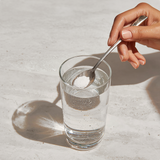 Collagen Peptides
Hair + skin
Collagen Peptides
Hair + skin
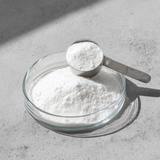 Creatine
Supports strength
Creatine
Supports strength
 Peptide Hair Serum
 Peptide Shampoo
 302 Laser Cap
Bestseller
302 Laser Cap
Bestseller
 Haircare Stack
 SFC Facial Serum
Bestseller
SFC Facial Serum
Bestseller
 SFC Facial Moisturizer
Bestseller
SFC Facial Moisturizer
Bestseller
 Gentle Facial Cleanser
 Skincare Stack
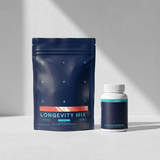 Easy Stack - Blood Orange
Bestseller
Easy Stack - Blood Orange
Bestseller
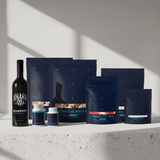 Big Stack
Supports longevity
Big Stack
Supports longevity
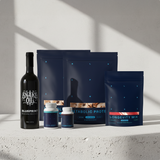 Medium Stack
 Omega-3
Heart health
Omega-3
Heart health
 Metabolic Protein Powder
30g protein + fiber
Metabolic Protein Powder
30g protein + fiber
 Ceremonial Grade Matcha
Focus
Ceremonial Grade Matcha
Focus


