


Bryan Johnson's Protocol
Written by Bryan Johnson • 01.23.2026
Hi friends,
We might be the first generation that doesn't die. To that end, my team and I have spent the last few years building the world's first Don't Die protocol.
Some of you don't care about Don't Die, you just want to be hot. That's cool too. It's really the same thing.
To make this Don't Die thing understandable, I've made it into a game because humans love games. You'll learn how to flex your biomarkers with friends. You'll be able to share the science with friends on why poor sleep is a terrible idea.
Personally, I have kind of taken this whole thing to the extreme. There's the world's fastest person, and the richest, but never before has there been the "Healthiest Person in the World."
I've tried to become that person. I am certainly the most biologically measured person ever.
Online, people refer to me as "immortal unc." That's what we care about. We are family and we care about your well-being. In fact, I want to be the strongest voice in your mind encouraging you to make health your top life priority.
To remind you that you will be a better father, mother, brother, sister, friend, colleague, and human when you do so.
If you're new to this game of health, don't worry. I made disastrous health decisions in life until I was 42 and my body has bounced back. No matter your situation, you can too.
Below I'm going to share everything my team and I have learned over the past few years, spending millions of dollars researching, experimenting and measuring. We've made the mistakes for you.
Know that we are also hard at work to make all of this easier, more accessible and fun.
We are living in the most exciting time in human history. The future is probably cooler than anything we can imagine. Our goal is to get there, together.
Don't Die,
Bryan Johnson
Planet Earth, 2026
___________________
CONTENTS
About
Bryan Johnson's Biomarkers
What is the one thing I can do to improve my health?
Do these things to lower your resting heart rate before bed
Master these 5 habits
How to avoid bad habits
What is the protocol?
Protocols
Sleep
Exercise
Nutrition
Skin
Oral care
Hair
Clean water
Female protocol
Pregnancy
Measurement
Other Advanced Therapies
Mesenchymal Stem Cells (MSCs)
Gene Therapy
Cerebrolysin
Rx / Prescriptions
HBOT Protocol
Sauna
My sauna protocol
___________________
About
Bryan Johnson's Biomarkers
When I started Project Blueprint, I was a broken down 42 year old. Sugar cereal and soda as a kid, a decade of chronic depression, and 20 years of sleep deprivation. I was overweight, my joints hurt, and I was losing my hair.
Five years later, I'm surprised. Really surprised
Here is a sampling of my biomarkers:
- muscle: 98th percentile (all men)
- fat: 98th percentile optimal (all men)
- bone mineral density: 99th percentile (all ages)
- resting heart rate: elite athlete level
- fertility: top 99th percentile (all men)
- sexual function (NTE): 99th percentile (all men)
- blood pressure: lower than 90% of 18-year-olds
- vascular function: late teen / early 20s
- sleep: top quartile for 18-29-year-olds
- grip strength: top 5% of all ages
- blood glucose: lower than 98% of 18-25-year-olds
- blood sugar control: better than 99% of 18-25-year-olds
I share this to give you hope that you can meaningfully change your health for the better. There are of course limitations with today's science, but more can be accomplished than most people think.
What is the one thing I can do to improve my health?
The most common question I get: what is the one thing I can do to improve my health? I'll tell you. It's free and within your power.
Lower your resting heart rate before bed.
After spending years working on health, lowering your resting heart rate (RHR) before bed is the single most effective thing you can do for your health. Why? Because sleep is the best performance enhancing drug in the world. Get your dose every night.
The reason why RHR works: when your resting heart rate (RHR) is low, your sleep is better. When your sleep is better, you're more likely to exercise and eat well. When you exercise and eat well…you do more positive things for your health.
Conversely, if your RHR is high, you won't sleep well. Then you won't exercise and you'll eat poorly. Poor sleep destroys your self control. A vicious cycle.
What increases your RHR before bed?
Do these things to lower your resting heart rate before bed
-
Eat your final meal/snack of the day four hours before bed. I stop eating around noon each day and that will get my RHR to around 39 beats per minute right before bed. If I achieve that, I'm going to have a perfect night's sleep. If my RHR is 56 because I ate an hour before bed, my sleep quality will be around 30-40% worse.
-
Screens off 60 minutes before bed. Your body needs time to wind down. Your phone will keep you stimulated via doomscrolling, work and other activities.
-
Read a book ten minutes before bed. In the sixty minutes before bed, do your hobby, listen to a podcast, read, go for a walk, journal, meditate, breathwork, or call a friend. Things that calm your mind.
-
Be mindful of stimulants like caffeine, which has a half life of 6 hours. A cup of coffee at 4 pm leaves a half a cup of coffee in your system at 10 pm when you're trying to go to sleep.
-
Use red and amber lights in the evening. Bluelight is bad for sleep. You can get blue light blocking apps (f.lux), glasses and also turn red mode on your phone.
-
No fights after 5 pm. Fight in the morning when you're well rested.
Master these 5 habits
People read the headlines about me and mistakenly believe that what I do is not accessible to them. The opposite is true. You can achieve similar health benefits by building some simple life habits.
-
Sleep – high quality sleep is the world's #1 longevity drug. It underpins every healthy behavior including exercise, nutrition, and emotional resilience. I've built my life around great sleep, and I encourage you to do the same.
-
Nutrition – I abide by a philosophy that every calorie must fight for its life. See the Don't Die food guide below. The key here, try to never let your mind make eating decisions on your behalf. Build and rely upon life systems.
-
Exercise – 6 hours a week is ideal. Incorporate strength, cardio, flexibility and balance. If you can't do that, even 20 minutes a day is great.
-
Family, friendship and community – love and be loved. It will extend your life.
-
Things to avoid – fast food, junk food, smoking, vaping, excessive alcohol and social media, and anything addictive. Addiction makes you a prisoner.
How to avoid bad habits
Years ago I could not stop myself from overeating everyday at 7 pm. I was building a startup, had three little kids, struggling to get along with my partner, and having an existential crisis with my born-into religion. The pressures of life forced me into the open arms of stress-eating.
One day out of desperation, I said "Evening Bryan, you're fired. You make my life miserable. I can't sleep. I'm 60 lbs overweight and I feel awful all the time."
Giving that version of me a name and then writing down his persuasive tactics such as "tonight is the last night" or "tomorrow we'll work extra hard to burn off the calories" gave me the tools I needed to stand my ground. Evening Bryan's authority to eat between 5 pm and 10 pm was revoked. No matter what, Evening Bryan cannot eat food because if given the chance, he'll eat too much and ruin life for Sleep Bryan, Morning Bryan, Work Bryan and Dad Bryan.
We all have bad habits. Things we do that we don't really want to do. They never actually make us happy. They in fact make us sad and regretful. We all know this to be true.
Here's one approach to move past your bad habits:
-
Identify a version of you that is responsible for self destructive behavior and give them a name (i.e. Evening Bryan).
-
Write down the persuasion techniques they use to get what they want ("today's the last day").
-
Prepare a list of rebuttals that enables you to stand your ground ("this is not what we really want", "we know this makes us sad and regretful").
-
Identify which versions of you should be in charge (i.e. Morning you) and give them the authority to make decisions on behalf of your Evening Bryan.
-
Make firm rules about what you will and won't do. None is easier than some.
What is the protocol?
What is the Blueprint Protocol?
I think it's the best health protocol in the world. And I'm going to make it easy for you.
I'm going to guide you to do fewer, not more things for your health. Habits and not expensive, exotic therapies.
As you progress, I'll help you level up to do the best therapies too.
I promise you, if you implement my protocol, you will feel better than you can remember. I promise you. As we go through this, you're going to feel the tension of your current habits, social obligations, and existing lifestyle. Don't worry. We'll work through it. Step by step. But again, I promise you. On the other side is a version of you begging your current self to take this seriously and give it a go.
Protocols
Sleep
Watch: top 10 sleep habits
High quality sleep changed my life. It took me years to build the habits and systems that led to eight months of 100% perfect sleep. As far as I know, this is the best in the world. I'm going to teach you the habits for excellent sleep.
We all know the energizing feeling of a great night's sleep. It rejuvenates the body, boosts brain function, powers the immune system, and regulates hormones. It's the foundation for well being and longevity.
On the other hand, sleep deprivation impairs.
-
Being constantly awake for 18 or 24 hours is equivalent to having a blood alcohol content of 0.05% or 0.1%, respectively. In the U.S. 0.08% is considered legally intoxicated.
-
Get six hours of sleep or less on average and you're 4.2x times more likely to develop the common cold.
-
A study in young healthy participants showed a 20% increase in S100-B levels following a single night of sleep deprivation, the same following a traumatic brain injury.
-
One night with 4 hours of sleep showed a 70% reduction in the activity of natural killer cells in 18 out of 23 participants. One night of subsequent normal sleep was enough to restore NK activity to its baseline. Natural killer cells are what's killing cancer cells among other functions. Preclinical studies have established a causal link between the lack of sleep inhibition of immune surveillance and increased tumor growth in animal models.
Sleep deprivation diminishes cognitive functions, slows reflexes, and gives rise to poor decision making. It's linked to obesity, anxiety, depression and weakened immunity.
If you only do one thing for your health: sleep.
Master 10 habits
-
Reframe Your Identity: You are a professional sleeper. Make sleep your #1 priority. Nothing influences your conscious and unconscious existence more. Plan your day around sleep. It's the most important appointment in your calendar. Sleep will make you a top performer.
-
Create a 30–60 minute wind down routine: Set a specific time each evening to start winding down, for example reading, taking a warm bath, breathing exercises, soothing music. Focus on transitioning your work and worry brain to sleep mode.
-
Get Morning Light: Get outside within the first 15–30 minutes of waking to set your circadian rhythm and boost mood or use a light therapy device (10000 lux) if natural sunlight isn't available.
-
Regulate Evening Light: Dim the lights one to two hours before bedtime to create a relaxed atmosphere. Use warm (red is best) lighting in the evenings. Install blue light filters on your devices (i.e. flux) and consider blue light blocking glasses. Limit screen time at least an hour before bed and blackout your bedroom.
-
Regulate Your Bedroom Temperature: Keep your bedroom temperature between 65–68°F (18–20°C). Choose breathable bedding and light sleepwear. Use fans or cooling devices and consider taking a warm bath before bed. Ventilate your room and or use a temperature controlled mattress if possible.
-
Keep a Consistent Bedtime: Choose a bedtime that allows for 7–9 hours in bed each night. Avoid scheduling late nights and be consistent even on weekends. Set an alarm for winding down. Track your sleep patterns with a journal or sleep tracker.
-
Curate Your Sleep Environment: Ensure your bedroom is quiet, dark, and cool. Invest in a comfortable mattress and pillows. I have a copper pillowcase. Remove distractions and keep your bedroom clean and clutter free. Consider using a noise machine to offset environmental sounds or earplugs if necessary. Buy a temperature controlled mattress if you can.
-
Eat your final meal of the day hours before bed: Try to have your last meal of the day at least two hours (experiment with 4 and 6 hours before) before bed and avoid large meals close to bedtime. Eating close to bed creates large metabolic demands on your body, causes blood glucose fluctuations, reduces melatonin production, and disrupts your body's natural process of lowering core body temperature.
-
Avoid Stimulants Before Bed: Try to avoid caffeine, alcohol, and other stimulants at least 8–10 hours before sleep. Caffeine has a half life of 6 hours in the blood. That means that consuming a cup of coffee 6 hours before bedtime is equivalent to drinking half a cup immediately before going to bed. Opt for herbal teas or other relaxing drinks in the evening.
-
Gather Data: Track your sleep habits and patterns with a journal or sleep tracker. Use the data to make informed decisions and adjustments to your routine. Continuously monitor and tweak your habits to optimize your sleep quality.
Exercise
Exercise 6 hours a week.
-
3 sessions of strength training
-
3 sessions of cardio
-
Aim for 150 minutes of moderate activity (Zone 2) during which you can maintain a conversation.
-
And 75 minutes of vigorous exercise where you're unable to converse (like HIIT).
-
-
Include flexibility, balance, and mobility exercises.
A workout protocol guide can be found here.
A few important tips:
-
Avoid injury. Injuries can create serious limitations, create body imbalances and cause long term complications. It's worth being cautious even if it means not doing certain things.
-
Create an exercise habit. Do it everyday, no matter what (unless you're injured, have a limiting medical condition, or under doctors' orders). You don't even think about it. It just happens out of habit. Do not give yourself the option to decide.
-
Work on strength training, cardio, balance and flexibility.
-
Move throughout the day. After each meal, be active for 5 to 10 minutes. Every 30 minutes, get up from your desk and move around a bit.
-
Don't get caught up and paralyzed in all the nuances and rabbit holes of exercise. Being active, in whatever ways you can, pays big for your health.
-
Considerations for premenopausal females: Women should prioritize high intensity and strength training during the follicular phase (first half of the cycle), as estrogen enhances performance, muscle growth, and recovery. In the luteal phase (second half), focus on lower intensity activities like Zone 2 cardio and lighter strength training, as higher progesterone reduces exercise capacity and slows recovery.
-
Considerations for postmenopausal women: Prioritize strength training and HIIT to help maintain muscle mass, improve insulin sensitivity, and protect bone density. Weight bearing exercises are essential for reducing the risk of osteoporosis and maintaining overall functional strength as estrogen levels decline.
The scientific evidence behind exercise is compelling, plus it makes you feel great. Regular physical activity is extremely important for increasing life expectancy and overall health.
-
Regular physical activity can reduce the risk of all cause mortality by 26 to 31% and cardiovascular disease by 28 to 38%. (link)
-
A 2012 BMJ cohort study of ~1.1 million Swedish adolescent males showed that those in the weakest third for muscular strength had about a 20 to 35% higher risk of premature death (before age 55) compared with the strongest third, independent of BMI and aerobic fitness (Ortega FB et al., 2012).
-
Every pound of muscle burns 3x more calories than a pound of fat (6 versus 2) (Zurlo et al., 1990).
-
Working out 2 to 4 times beyond the minimum recommended amount of vigorous physical activity (150 to 299 minutes per week) is associated with a 21 to 23% lower risk of all cause mortality (link).
-
Combining moderate and vigorous physical activity can provide nearly the maximum mortality reduction of 35 to 42% (link).
-
Even small amounts of intense intermittent lifestyle physical activity (such as brief bursts of fast walking or stair climbing for 1 to 2 minutes) are associated with lower cancer risk.
Nutrition
My philosophy on nutrition is that every calorie must fight for its life. We've reviewed the scientific literature for the best longevity foods and created the guide below.

What I eat everyday:
-
Daily macros:
-
Calories: 2,250 (10% caloric restriction)
-
Protein: 130 grams (~25%)
-
Carbs: 206 grams (~35%)
-
Fat: 101 grams (~40%)
-
-
Note: A lot of people want to label others into nutrition camps that war with each other, i.e. plant based, carnivore, keto, paleo, etc. I don't identify with any of them. I follow the scientific evidence and data in determining what I eat. Whatever your food preferences, it's best if you measure your biomarkers to determine if the foods you eat are serving your body.
My daily food routine:
See below for my entire daily schedule.
Considerations for premenopausal women:
-
During the follicular phase, women should focus on higher carbohydrate intake due to improved insulin sensitivity, while maintaining moderate protein levels to support muscle growth. In the luteal phase, as insulin sensitivity decreases, reduce carbohydrate intake and increase protein and healthy fats to support muscle maintenance and counteract the catabolic effects of progesterone.
-
Supplements: Luteal phase: magnesium, Ashwagandha, Rhodiola Rosea, sodium, potassium can help reduce stress, balancing hormones, reduce PMS related fatigue, and combat water retention and bloating.
-
Considerations for postmenopausal women: Increasing protein intake is crucial to support muscle mass and counteract the effects of declining estrogen, which can lead to muscle loss. Calcium and vitamin D intake should be prioritized to help maintain bone density and reduce the risk of osteoporosis.
-
Supplements: calcium (1000 to 1200 mg per day) and vitamin D (2000 IU per day)
Skin
Skin is the largest organ of our bodies. Up until just a few years ago, I kind of destroyed mine. I regularly got sunburns, had a poor diet, and didn't really do anything to nurture healthy skin. Now in my 40s, the damage is apparent.
When we started Blueprint, we had the goal to measure every organ of the body, including skin, and slow its speed of aging and reverse the aging damage. I had a lot of skin aging damage, and we've used various technologies to measure my skin age.
When I started Blueprint, my skin was in the 98th percentile for damage, with a skin age of 64. Now, my skin age has improved to age 36.
Skin care basics
This may seem like a long list but they're really all habits that you'll soon forget you're doing.
-
Get sunlight early in the mornings and later in the afternoons
-
Avoid direct sun exposure when the UV index is high (10 am to 4 pm)
-
If in the sun during high UV times, use clothing, a UV umbrella or wear a hat and or mineral sunscreen
-
Prioritize your sleep
-
And eat a Blueprint like healthy diet
-
Avoid junk, fried, highly processed foods
-
Consume 20 to 30 grams of Collagen peptides daily. It's good to pair Vitamin C with peptides, which the Blueprint stack has.
-
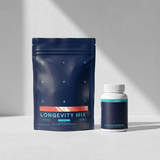
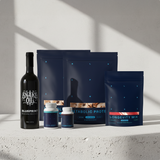
Supplements: Niacinamide, Vitamin C, Polyphenols and Antioxidants, and Omega 3 fatty acids. These are in the Blueprint stack including Essential Capsules and Longevity Mix.
My skin daily protocol
I reversed my skin age by the equivalent of 9 years. Effectively freezing my skin aging over the past five years. Here is the summary of how I did it.
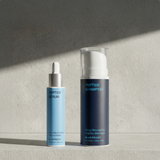
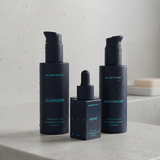
+ Blueprint Cleanser
+ Blueprint Serum
+ Blueprint Moisturizer
Pro tips
+ Other UV Protection: UV-tinted windows (blocks 99% of UV) and a UV umbrella when outside.
+ Red Light Therapy: Daily 6 minute full body sessions per week for collagen production, healing, and mitochondrial health. Note, if you don't have easy access to red light therapy, don't worry. The basics are a great place to start.
Measuring skin health
We measure my progress and tailor treatments with Multispectral Imaging (Canfield's Visia device). It provides detailed views of skin health, tracking UV damage, pore size, and spots. Reveals much more than the eyes can see. Some wellness clinics offer this service, you can search locally to find one.
Advanced skin therapies
I've tried quite a few skin therapies and am currently doing these two. I'm always playing with new things though so I'll update this. Here is a summary of the advanced
Skin focused therapies
+ 1927 nm laser (1x every 6 months, can do more or less depending on your status and goals) - improves skin tone, texture, dyschromia, sun damage, and fine lines, while also reducing actinic keratoses and pigmentation through accelerated epidermal turnover and renewal.
+ 1550-nm laser (1x every 6 months, can do more or less depending on your status and goals) - penetrates deeper into the mid-dermis, where it creates controlled microthermal injury that stimulates fibroblasts to produce new collagen and elastin, leading to improvements in skin firmness, wrinkles, acne scars, and overall structural integrity.
+ Sofwave (1x every 6 months, can do more or less depending on your status and goals): non-invasive ultrasound skin tightening system that delivers controlled energy into the mid-dermis to stimulate collagen and elastin production without damaging the skin's surface. By activating fibroblasts through precise thermal stimulation, it improves skin firmness, laxity, and fine lines, especially on the face and neck, with minimal downtime.
+ Everesse (1x every 6 months, can do more or less depending on your status and goals) — monopolar radiofrequency device that delivers 6.78MHz thermal energy precisely to both the papillary and reticular dermis simultaneously, triggering a dual-phase collagen response: immediate contraction of existing collagen fibers for visible lifting, followed by sustained fibroblast activation that drives collagen remodeling and regeneration over the following months. Results in lifting, volumizing, and tightening of the face, neck, and jawline with no downtime. Continuous water cooling throughout the treatment protects the epidermal surface while energy is delivered to the deeper dermal layers.
On combining these therapies: the 1927nm and 1550nm lasers address surface damage and structural integrity respectively; Sofwave and Everesse both stimulate collagen via thermal energy but through different mechanisms (focused ultrasound vs. monopolar RF). Everesse’s dual-depth RF action adds a lifting and volumizing effect the others don’t produce, which is why both are worth doing despite the apparent overlap.
Who I personally use for these advanced skin therapies:
Natalia Guzman
Atelier Aesthetix
Los Angeles
424.484.8283
[email protected]
Oral care
Oral care protocol:
Nine steps you can follow to get your oral health in order:
-
Waterpik: the first thing I do when waking up is use a water pick. It uses a high pressure stream of water to remove food, plaque, and bacteria from hard to reach places. Morning and night.
-
Floss: after using the Waterpik to loosen particles, I use floss for plaque and debris removal.
-
Brush: I use an electric brush, but you may prefer a manual. I enjoy soft bristles as it cleans effectively without unneeded harshness on the tooth or gums. Morning and night.
-
Tongue Scraper: This is a game changer. If it's not part of your oral routine, I encourage you to try. It can significantly improve oral hygiene. Morning and night.
-
Tea Tree Oil: I previously used tea tree oil, 2 to 3 drops with 2 oz of water. Recently I discontinued using it. Years ago it helped improve my oral health. Now that my baseline is back to ideal I have not needed it in my protocol.
-
Bruxism Device: For 20 years I was grinding my teeth at night. If you have Bruxism, I strongly encourage you to address it. A dentist on Blueprint recommended the SomnoDent Bruxism Device, and for the first time in my life, my Bruxism has stopped. Wear while sleeping. Link
-
Cleanings: Make sure you visit your dentist at least 2 times a year. It is important to identify problems early and remove hardened plaque. Even with diligent brushing and flossing at home, it's difficult to remove all plaque from your teeth.
Oral Hygiene Tips:
-
Reduce sugar: Try sweeteners like Trehalose, Monk Fruit, Xylitol, and Allulose.
-
Acidic Liquid: Avoid extended exposure to acidic fluids, such as coffee and lemon water.
-
Avoid dry mouth: Stay hydrated. Saliva protects your teeth by washing away food debris, neutralizing acid, carrying essential ions like calcium, which help remineralize your enamel, making it stronger.
-
Water pik, floss, and brush upon waking
-
Travel Toothbrush: If I spend the day on the go, I'll take a travel toothbrush with me. Throughout the day you can sneak away to a bathroom and give your teeth a clean.
Hair
Genetically, I should be bald.
I started to lose my hair and go gray in my late 20s. Now, at 46, I've got a full head of hair and less gray. Here's how I did it (watch video).
-
Start early and be proactive: I made the mistake of addressing my hair loss and graying after noticing it. By age 20, about 20% of men already have some visible hair loss. Many people lose up to 50% of their hair before they start to notice thinning. By age 50, up to 40% of women will have noticeable hair loss. Consider starting a hair health protocol before you can visibly detect loss.
-
Nutrition: proper nutrition is important for hair health. You'll want to make sure you're getting adequate protein, Omega 3 fatty acids, Biotin (Vitamin B7), Vitamin C, Vitamin D, Vitamin E, Iron, Zinc and Biotin. The Blueprint stack has all of these.
-
Blueprint Shampoo (scalp treatment) and Peptide Serum: The Blueprint system combines a water-based, residue-free, peptide serum and shampoo. The serum contains eight biomimetic peptides including EGF, Thymosin-β4, SCF, hGH, VEGF, PDGF, Follistatin, and Copper Tripeptide-1, while the shampoo features a similar stack of peptides designed to optimize scalp health.
Instructions
Step 1: Blueprint Peptide Shampoo (scalp treatment)
-
Wash hair with your regular shampoo. Rinse thoroughly.
-
Apply 1 to 2 pumps of Blueprint Shampoo directly to the scalp.
-
Massage and lather onto scalp. It foams nicely.
-
Leave for 2 minutes.
-
Rinse out.
-
Follow with your regular conditioner routine.
Why do I need another shampoo?
Blueprint Peptide Shampoo is a scalp treatment.
Wash with your regular shampoo first to remove oil and buildup, so this formula can work on a clean scalp and deliver peptides where they're needed.
Step 2: Blueprint Peptide Serum
-
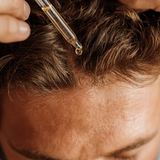
Apply daily to dry scalp.
-
Use a dropper to apply directly to the scalp and focus on areas of concern.
-
One full dropper covers the entire scalp, adjust as needed.
-
Massage in.
-
Optional: Once serum is dry, wear the Blueprint red light laser cap for 6 min.
-
Wait until serum is completely dry, before using other styling products.
-
Topical hair formulation - I use a topical solution (7% minoxidil + a few other ingredients), 1 mL applied to my scalp each night. I then massage my scalp with a silicon scrubber for 1-2 minutes to stimulate blood flow. Blueprint is now fulfilling Rx for hair.
-
Blueprint 302 Laser Cap (655 nm) - six minutes a day and you can be doing your morning routine as you wear it.
-
Oral Minoxidil - I take 5 mg a day. I started with 2.5 mg and evaluated for side effects. In a double-blind, placebo-controlled randomized clinical trial involving 90 men with androgenetic alopecia AGA, oral minoxidil (5 mg daily) was found to have similar efficacy to topical minoxidil (5% solution applied twice daily) after 24 weeks. Oral minoxidil is generally considered safe at low doses, but it can have side effects such as hypertrichosis (excessive hair growth) and headaches. Blueprint is now fulfilling Oral Minoxidil Rx.
Good luck to you friends. Wishing you each the best in maintaining a full head of vibrant hair.
Clean water
I'm using an alkaline water filtration system ($1,300 cost). There are similar systems that cost $300.
System components:
-
Carbon Filtration: removes all dirt (solid blocks are better because they can remove smaller particles and volatile organic compounds)
-
Reverse Osmosis Membrane: dirty water is diverted for disposal, >85% pure water at this point
-
Mixed Bed Deionization: removes impurities that the RO membrane misses and polishes water to laboratory grade high purity (all chemicals and pharmaceuticals removed to parts per billion)
-
Remineralization and Alkalization: water infused with coral calcium sand (>70 naturally occurring trace minerals)
-
Coconut Carbon Fiber: makes water taste as natural as possible
If you're in the U.S. you can get my same water system from William @ +1 323.356.3142.
I use simplelab to test the water.
Female protocol
FOLLICULAR PHASE:
This phase is distinguished by the growth and maturation of ovarian follicles containing eggs, starting with the first day of menstruation and ending with ovulation. During the follicular phase estrogen starts off low and slowly increases leading up to ovulation. Progesterone remains low throughout this phase.
These hormonal changes lead to:
-
An increase in estrogen levels causes increased insulin sensitivity (i.e. improves carbohydrate metabolism).
-
Improved muscle synthesis: Estrogen promotes muscle recovery and growth.
-
Lower core body temperature: Low progesterone levels lead to a lower core temperature, improving performance during high intensity sessions.
-
Faster recovery: Higher estrogen levels contribute to improved recovery.
Protocol: Day 1 to ovulation (day 1 of menses to ovulation). Individual responses vary.
-
Training:
a) Prioritize high intensity workouts and strength training during this phase.
b) Recovery is faster, train more often. -
Nutrition:
a) Eat higher carb during this phase as insulin sensitivity is improved.
b) Protein intake at 1.5 g per body weight in kg per day. -
Supplements:
a) Standard Blueprint stack
b) Calcium 1200 mg daily
LUTEAL PHASE:
During the luteal phase, progesterone rises, peaking after ovulation and remaining high until menstruation. Estrogen also rises but decreases before ovulation.
-
Increased core temperature: High progesterone elevates core temperature, reducing performance and slowing recovery.
-
Insulin resistance: Progesterone decreases insulin sensitivity.
-
Catabolism: Progesterone promotes muscle breakdown, requiring a higher protein intake and slowing recovery.
-
Water retention: Progesterone increases water retention.
-
Neurotransmitter changes: Progesterone can affect neurotransmitters like serotonin, leading to fatigue, irritability, and PMS.
Protocol: Post ovulation to menstruation
-
Training:
a) Prioritize zone 2 cardio and easier strength training.
b) Recovery is slower, lower intensity and regularity of activities. -
Nutrition:
a) Increase protein and healthy fats. Reduce carbohydrates as insulin sensitivity is reduced.
b) Protein intake at 2.0 g per body weight in kg per day. -
Supplements:
a) Increase Sodium 200 to 400 mg daily
b) Increase Potassium 200 to 400 mg daily
c) Increase Magnesium 100 to 200 mg daily
d) Ashwagandha 300 to 600 mg and Rhodiola Rosea 200 to 400 mg daily to help regulate stress, reduce bloating, and alleviate PMS symptoms during early and later luteal phase.
e) Melatonin 1 to 3 mg nightly to help improve sleep quality.
Late Luteal Phase: Last week to a few days before menses.
-
Training:
a) Light training. Self care activities. -
Nutrition:
a) Continued hydration.
How do you identify ovulation:
-
Monitor your basal body temperature: Many wearables now track basal temperature during sleep or upon waking. Look for a 0.5 to 1.0 degree increase, which begins 1 to 2 days after ovulation and often persists until menstruation.
-
Cervical mucus changes: You'll notice increased production and a change in consistency clear, slippery, and stretchy, similar to egg whites.
PERIMENOPAUSE AND MENOPAUSE:
-
Training:
a) Focus on strength training and HIIT to maintain muscle mass and prevent insulin resistance.
b) Weight bearing activities and high intensity exercise are critical for protecting both bone and muscle mass. -
Nutrition:
a) Increase protein intake to support muscle mass.
b) Aim for 2.0 g per kg of protein per day. -
Supplements:
a) Continue with the regular Blueprint stack.
b) Use Ashwagandha and Rhodiola as needed for stress and mood management.
c) Magnesium: 100 to 200 mg daily, as needed for mood.
d) Calcium: 1200 mg daily.
Pregnancy
If pregnant and on the stack.. What do you do:
-
The ingredients in the following Blueprint products are known to be safe during pregnancy. However, we suggest you consult your doctor before use if pregnant or breastfeeding:
a) Longevity Protein
b) Blueberry Nut Mix
c) EVOO
d) Protein powders
e) Collagen -
The following supplements included in the Blueprint stack should be avoided during pregnancy:
a) Longevity Mix, Ashwagandha, Curcumin, Red Yeast Rice, Nicotinamide Riboside, CA-AKG, Glucosamine Sulfate, Creatine, Sodium Hyaluronate, N-Acetyl-Cysteine. -
Consider adding the following supplements:
a) Prenatal Vitamin with adequate methylated B vitamins (at least 600 mcg Methylfolate, 2.5 mcg methylcobalamin).
b) Magnesium 500 to 600 mg daily.
c) Iron 30 mg daily.
d) Calcium 1200 mg daily.
e) Omega 3 Fatty Acids DHA/EPA 1000 to 2000 mg daily (Low metal source, Blueprint Omega-3 out now). -
Nutritional recommendations:
a) Balanced diet with at least 100 g of protein daily.
b) Avoid processed sugars and foods to reduce gestational diabetes risk.
c) Consume at least 30 g of fiber daily.
d) Avoid raw meat, processed meat, unpasteurized cheeses, and high mercury fish.
e) Avoid alcohol and limit caffeine to 200 mg daily. -
Exercise Recommendations:
a) Aim for at least 150 minutes of moderate intensity exercise per week.
b) Strength training at least 90 minutes per week.
c) Consider adding in pelvic floor exercises.
Measurement
We are working on a Mobile App and Biomarker testing products to enable you to track your health, measure blood work, engage with others, share updates, and meetup in real life. More details coming soon, sign up here to be updated.
Routine Measurement
-
Full body MRI annually (if over 40 or a family history of high risk)
-
Mole check, annually
-
Dentist, every 6 months
-
Eye doctor, annually
-
Blood glucose CPM
-
Breast self examination, monthly (ideally a few days after your period ends)
-
Testicular self examination, monthly
My daily routine
Bedtime
-
In bed by 8:30 pm because every day starts the night before. Sleep is my #1 life priority because high quality rest makes hard things easy and impossible things doable. Following my sleep protocol, I achieved eight months of 100% perfect sleep.
-
I apply my custom hair serum (1 mL) and then massage my scalp using a silicone scrubber.
Morning
-
~5 am, I awake naturally as abrupt alarms can have negative effects.
-
Body composition measurement: weight, fat, muscle, hydration, arterial stiffness.
-
Breathing exercise or meditation for 5 min to get my mind and body right for the day.
-
My eyes get light from a 10,000 LUX for 3 to 4 min as I'm up before the sun.
-
Apply the Blueprint Peptide Serum to the scalp and wear the Blueprint red light therapy cap.
-
Shower, wash stuff out of hair.
-
5:25 am (pre workout)
-
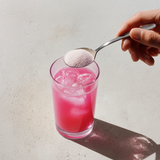
An 8 oz drink consisting of:
-
Blueprint Longevity Mix 1 scoop
-
Creatine 5 g (Longevity Mix has 2.5 g for 7.5 g total)
-
Microbiome
-
Prebiotic galactooligosaccharides ½ tsp
-
Inulin 1 tsp
-
Arabinogalactan powder 1 tsp
-
-
-
-
5:35 am breakfast (pre workout)
-
Blueprint Longevity Protein (watch: how I prepare) with:
-
Blueprint Collagen peptides 11 g
-
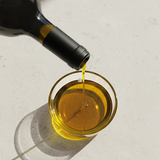
Extra Virgin Olive Oil 1 Tbsp (15 mL)
-
Berries
-
-
I'll take the following pills:
-
Omega-3 (EPA/DHA/DPA 800 mg)
-
Proferrin 10.5 mg
-
NR (450 mg) or NMN (500 mg)
Morning longevity protocol
-
Check air quality indoors and outdoors.
-
6:00 am - 60-90 min workout: I focus on balance, flexibility, strength training and cardio. Here is an example workout. I'll rotate listening to music, a book, podcast or educational video. On the weekends I'll hike, play pickleball, ride a bike, climb, etc. See exercise session for weekly goals.
-
7:30 am Dry sauna: 200F for 20 minutes. I place an ice pack on the boys. Important for fertility health.
-
8:00 am Red and NIR light therapy: 6 minutes.
-
8:15 am Shockwave therapy: 5 minutes, 3 times a week. 4500 shocks per session (sofwave, stemwave).
-
8:30 am shower:
-
Blueprint face wash + moisturizer
-
Apply 2 pumps of the Blueprint Shampoo to my regular shampoo and massage into scalp for one minute.
-
-
9:00 am Either HBOT (90 min) or IHHT (42 min).
-
~10:00 am
-
Blueprint Metabolic Protein
-
Extra Virgin Olive Oil (1 Tbsp)
-
Blueprint Collagen peptides (1 scoop)
-
Berries
-
-
10 am - work
-
Every 30 minutes I'll do ~2-3 minutes of light activity such as walking, bodyweight exercises, stretching, light household activity, or dancing.
-
All liquid I drink is mineralized, meaning it's tea or with electrolytes or the Blueprint Longevity Mix in them. This helps avoid having to get up at night to go to the bathroom. I also stop drinking fluids at 4 pm.
-
-
~10:10 am
-
A 10 minute walk.
-
Begin work. My morning hours are my best.
-
My desk and chair are situated so that I can rotate between sitting and standing, always maintaining proper posture.
-
Identify and focus on the highest priority items for the day.
-
I try very hard to avoid checking messages or social media until now and even after I get my first hour of focused work in.
-
-
11:00 am
-
My next meal: a Super Veggie like meal
-
Black lentils, 45 grams dry, ~150 grams cooked
-
Broccoli (head plus stalk), 250 grams (can also use broccoli sprouts)
-
Cauliflower 150 grams
-
Shiitake or White Mushrooms, 50 grams
-
Garlic, 1 clove (a piece)
-
Ginger Root, 3 grams
-
Lime, 1
-
Cumin, 1 Tbsp
-
Apple Cider Vinegar, 1 Tbsp
-
Hemp Seeds, 1 Tbsp
-
After prep, drizzle 1 Tbsp of Extra Virgin Olive Oil
-
1 to 4 Tbsp of fermented foods i.e. cabbage, kimchi, beets, etc.
-
-
-
11:15 am
-
Focused work.
-
Every 30 minutes I'll do ~2 to 3 minutes of light activity such as walking, bodyweight exercises, stretching, light household activity, or dancing. If not, my body screams at me for non movement.
-
-
Noon, my final meal of the day which will be some combination of veggies, nuts, seeds and berries. Here's an example: Stuffed Sweet Potato, 500 calories
-
300 grams cooked sweet potato
-
Chickpeas 45 grams cooked
-
Grape Tomatoes 12
-
Avocado ½
-
Radishes 4
-
Cilantro ¼ cup
-
Jalapeno Pepper 1 large
-
Limes 2 whole
-
Lemon 1 whole
-
Chile Powder 1 teaspoon
-
1 Tbsp of Blueprint Snake Oil
-
-
My Rx stack
-
Approximate daily macros:
-
Calories: 2,250 (10% caloric restriction from RDA)
-
Protein: 130 grams (~25%)
-
Carbs: 206 grams (~35%)
-
Fat: 101 grams (~40%)
-
-
7:30 pm
-
A 10 minute walk outside.
-
Social time with friends and family.
-
Wind down routine.
-
No messages, social media or screens.
-
Night time mode activated.
-
-
8:00 pm
-
Wash face, apply skin and hair serums.
-
-
8:30 pm - in bed and asleep within 3 minutes of my head hitting the pillow.
Other Advanced Therapies
Rx / Prescriptions
-
Acarbose 400 mg daily - helps blunt post meal blood sugar spikes, improve insulin sensitivity, and has been shown in long term studies to reduce cardiovascular events and extend lifespan in animal models, making it a valuable tool for metabolic health and longevity.
-
Tadalafil 5 mg daily - enhances endothelial function, reduces inflammation, and potentially protects against age related cardiovascular and metabolic decline. Also, if you think it's the cause of my titanic erections, match my dose, and post your numbers to compare with my average of 2 hr 57 min of night time erections.
-
Candesartan 8 mg daily - evidence that it reduces blood pressure, protects against heart failure progression, preserves kidney function, and possibly reduces brain inflammation.
-
Jardiance 10 mg daily - good evidence of SGLT 2 inhibitors as a longevity intervention and calorie restriction mimetic in animal experimentation.
-
Repatha 140 mg/mL every two weeks for cholesterol optimization.
Rx
-
Armour Thyroid 60 mg daily - diagnosed hypothyroidism age 21
-
Levothyroxine 100 mcg daily - diagnosed hypothyroidism age 21
-
Minoxidil 3.75 mg daily - hair growth
HBOT Protocol
Hyperbaric oxygen therapy ranks as one of the highest value health therapies I've done.
Starting a new HBOT protocol (Nov 2024)
HBOT results (Mar 2025)

Protocol
Conditions: 100% oxygen at 2 atmospheric pressures.
Schedule: 60 sessions, 5 sessions per week, duration: 90 min (20 min followed by 5 min air break, repeat).
Chamber: HPO Tech hard shell hyperbaric chamber, ambient pressurized air (normal 21% Oxygen) with 100% oxygen delivered through a face mask.
Caution: avoid chambers with 100% ambient oxygen:
-
irritates the eyes and causes cataracts
-
higher ignition risk
-
harder to take a break or emergency stop the session
Here are my results following 60 sessions (12 weeks):
-
Wiped out all systematic inflammation in my body, hsCRP below detectable levels.

Telomere and telomerase activity
-
Extended my telomere length by 2.6% (10.3 → 11.4 kb). (Context matters here, as my baseline telomere length was already that of a 10 year old, so this extension is at the bleeding edge of longevity.)
-
Telomerase activity of a 12 year old, associated with biological age

Microbiome
-
250% and 290% increase in Short Chain Fatty Acids and n-Butyrate, respectively (important microbiome markers)
-
Complete elimination of metabolic imbalance in my gut
-
300% increase in VEGF (formation of new blood vessels)

-
Improved muscle oxygenation
-
235% spike in my vitamin D levels, unprecedented uptick, despite no change in my supplementation dosage in the last few years (likely a secondary effect of microbiome improvements)
-
28.6% reduction in pTAU217, an early dementia and AD risk marker in healthy people
-
Dramatic improvements to skin health

Sauna
Regular dry sauna use at 175–212°F has been shown in multiple long term studies in Finland to dramatically reduce cardiovascular mortality by 63% and all cause mortality 40%. If true, that's a step function level reduction in risk of death. On par with exercise (35% reduction), mediterranean diet (25%), stopping smoking (50%), blood pressure control (30%), and weight loss in obese individuals (40%).
My sauna protocol
-
Type: Dry sauna (Plunge)
-
Temperature: 200°F (93°C)
-
Frequency: daily, 7 days a week
-
Duration: 20 minute sessions
-
Protection: Ice pack applied to the groin area to safeguard testicular and sperm health.
-
Rehydration: 36 oz mineral supplemented water to replenish minerals (via Blueprint electrolytes ETA this summer)
Tips for you…
-
Aim for 3 to 5 sauna sessions per week, lasting about 15 to 20 minutes each, at 175–194°F (80–90°C)
-
After workouts is ideal, as sauna boosts muscle recovery. Always hydrate thoroughly afterward
-
Be cautious above 194°F (90°C). Cover your head with a damp cloth, breathing through it to protect your airways
-
Never use a sauna when dehydrated, and drink plenty of water afterwards to rehydrate
-
Use minerals and water to dehydrate in case you are a salty sweater (can be measured)
Caution points: Avoid or skip sauna if you:
-
Have serious heart issues or uncontrolled blood pressure
-
Are pregnant (consult your doctor)
-
Have an infection, fever, or feel unwell
-
Have a history of seizures
-
Struggle with respiratory conditions (asthma, COPD)
-
Have irritated or inflamed skin
-
Recently consumed alcohol or recreational drugs
-
Are taking medications such as beta blockers, stimulants, anticholinergics, or diuretics
Sauna Results
1/ Massive detox following 15 sessions
15 sessions of sauna dramatically reduced toxins in my body.
-
65% drop in 2,4-D
-
100% drop in MEP
-
15% drop in MBP
-
100% drop in MEHP (undetectable post sauna)
-
56% drop in NAPR
-
56% drop in HEMA
-
100% drop in Perchlorate (undetectable post sauna)
After completing fifteen sauna sessions, each lasting 20 minutes at 200°F, led to a significant reduction in my environmental toxins, three went from being abnormally high to undetectable post sauna.

The results show meaningful and consistent improvements across nearly all parameters.
At 23 sessions
Central blood pressure CBP: ↓12.6%, Biological age <20 (↓ 5–10 years)
Central pulse pressure CPP: ↓28.6%, Biological age <20 (↓ 20 years)
Pulse Pressure Amplification PPA: stable, Biological age 30s
Augmentation pressure AP: ↓50%, Biological age 20s (↓ 3–5 years)
Augmentation index AIx (stable): Biological age <20
Subendocardial Viability Ratio (SEVR): ↑4.1%, Biological age <20 (↓ 2–3 years)
Resting heart rate RHR: ↓4.4% (↓2 bpm) Biological age <20

For men doing a sauna protocol: definitely ice the balls!
Here's my icing protocol
-
ice the boys during sauna
-
use a non toxic, reusable ice pack material
-
I wear cotton boxers and shorts
-
place ice packs in between boxers and shorts
-
keep in place for the entire session
My fertility markers improved from my pre sauna baseline after 27 sessions with ice on the boys:
-
total motile count ↑57%
-
concentration ↑26%
-
motility ↑16%
-
morphology ↑15%
Damage from 15 sessions with no ice protection on the boys:
-
54% drop in motile count
-
57% drop in motility
-
55% drop in normal morphology

Hot dry sauna has strongest clinical evidence and a unique mechanism
Not all saunas are made equal, evidence points at the protocol we've deployed.
Dry sauna sessions at high temperatures (≈80–100°C) and longer sessions (>19 min) have the strongest and longest running evidence for lowering resting blood pressure, improving arterial elasticity and, over decades, cutting cardiovascular and all cause mortality.
This is what makes dry sauna unique, and very likely superior to wet (steam bath) and infrared saunas. By heating up skin way faster than your core, dry hot sauna (Finnish sauna) flips your core → skin temperature gradient, eliciting the following hormetic benefits:
-
Enhanced Blood Flow: The heart pumps up to 70% more blood, similar to intense aerobic exercise (zone 2–3).
-
Increased Sweating for Detoxification: To maintain a stable core temperature, the skin produces 0.6–1 liter of sweat per hour, facilitating significant detoxification.
-
Improved Heat Tolerance: The body becomes better at handling heat, leading to a lower core body temperature (offering metabolic advantages).
-
Safe Activation of Heat Shock Proteins: The skin experiences substantial heat shock protein activation, while a modest 1°C increase in core temperature is sufficient to activate these proteins without the risk of hyperthermia.
-
Extended Exposure at Higher Temperatures: Dry saunas are more tolerable for longer durations and at higher temperatures, maximizing the benefits.
Red and Near Infrared Light Therapy (RLT)
2x 6 min daily (morning and evening routines)
Shockwave Therapy
I'm using it for proactive rejuvenation.
This is my protocol:
→ 4500 shocks, 3 days a week
→ Intensity: Level 14
→ Area: cervical spine, shoulders, ankles, elbows, forearms, lumbar spine, hips and glutes, knees
Products I use
Stuff you may want:
-
Blueprint stack
-
Blueprint hair care
-
Blueprint skin care
-
Blueprint blood biomarkers (please note: Biomarkers is not currently available outside of the United States.)
-
Dry sauna
-
Air purifier (this is what I have which is probably overkill for residential)
-
Wearable: Apple, Oura, Whoop, Garmin, they're all great.
-
Eight Sleep bed
Historical personal protocol information only. Content is informational and does not constitute medical advice, endorsement, or treatment recommendations. Medications referenced may not be appropriate, available, or offered through Blueprint. Some treatments described above are not FDA approved.


