
















Bone Density for Longevity
Written by Vanessa Gibbs • 04.13.2026
Your bones typically reach peak density between ages 25-30. After that, they begin to steadily decline.
Maintaining bone density lowers your risk of death.
The data:
In women over 65, higher bone density was associated with a 51% lower risk of death.
In men aged 65-76, even small improvements in bone health were linked to a 23% lower risk of death over the next 8 years.
I'm in the 99th percentile for total bone mineral density across all ages. That 1 metric predicts I will live longer, move better, and stay independent for more time.
What is bone mineral density?
Bone density, or bone mineral density, measures the amount of minerals, like calcium and phosphorus, in your bones. More minerals = stronger bones.
Bone density peaks between 25 and 30. After that, it declines. For women, the drop can be steep: losing up to 20% of bone mineral density during menopause, when estrogen levels drop.
The goal for everyone is to stay as close as you can to your peak bone density.

What to do daily
The 4 key steps:
- nutrition
- exercise
- sleep
- stress management
Nutrition
Nutrition is the foundation of bone health. When you think about bone density, think about building a skyscraper.
Collagen peptides, a type of protein, are the steel rebar that gives the structure its shape and strength.* For a strong structure, get enough protein.*
Aim for 1.2-2.2 grams of protein per kilogram of body weight per day.

Minerals are the concrete. Calcium, phosphorus, magnesium, and boron deposit into the collagen scaffolding to harden and strengthen it.*
Without them, bones are flexible but fragile.
Vitamin D and K are the workers. Vitamin D helps support calcium absorption.* Vitamin K2 activates the proteins that bind calcium into the collagen matrix.* Without them, the materials sit idle, and the project stalls.
Where to get these nutrients:
- protein: chicken, fish, eggs, nuts, tofu, legumes, collagen peptides
- calcium: Greek yogurt, milk, sardines, broccoli, kale
- phosphorus: beans, chicken, oats, nuts
- magnesium: quinoa, legumes, nuts, edamame
- boron: legumes, avocado, raisins, potatoes
- vitamin D: salmon, mushrooms, smart sun exposure (when UV index is below 3)
- vitamin K2: egg yolks, chicken, fermented foods
You can also supplement.
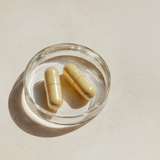
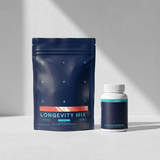
For example, a serving of Longevity Mix contains 31% of your daily value for calcium and 36% of your daily value for magnesium. It also contains 2.5 grams of creatine, which also supports bone health.* Essential Capsules contain vitamin D, calcium, and boron.
Avoid the following:
- excess sodium
- excessive phosphoric acid from soda
- chronic high alcohol intake
They can negatively impact your ability to absorb and hold onto calcium.
Exercise
There are 4 types of exercises that are particularly good at increasing bone health:
- resistance training: exercises like squats, lunges, and deadlifts. These exercises load several major bones at the same time. Do them ~2-3x per week.
- plyometrics: exercises like jumping and hopping. Do them as part of your warm-up routine and 4-7x per week.
- weight-bearing cardio: includes stair climbing, walking, running, or hiking. Add a weighted vest to compound benefits.
- power training: fast, powerful movements, like medicine ball throws, kettlebell swings, and box step-ups. Do these exercises 2x per week for 20-30 min.
Tips:
If you're a beginner, incorporate 1 of these exercises into your protocol. Then slowly build up the frequency, weight, and reps.
If you're older or at risk of osteoporosis (weak, brittle bones), begin with bodyweight exercises and build up to using weights with a trainer.

Sleep
Studies have shown that people who are chronically sleep deprived have lower bone mineral density.
A substantial amount of bone remodeling happens when you're sleeping. During deep sleep, your body releases growth hormone, which supports tissue repair processes and bone health.
Aim for 7-9 hours of sleep per night.
Stress
Long-term stress can raise your cortisol, which can reduce calcium absorption in the gut. Over time, this can lead to bone density loss if not countered with nutrition, exercise, and proper sleep.
Practice stress-management techniques like:
- meditation
- breathing exercises
- physical activity
- time with friends and family
You might see a pattern here. Nutrition, exercise, sleep, stress management. These habits support bone strength and whole-body wellness.
The basics of health do a lot for your body.


