Longevity News Blog

Jump To

Maintaining protocols while traveling

Maintaining protocols while trav...

View this post on Instagram A post shared by Bryan Johnson (@bryanjohnson_)
My Anti-Aging Travel Essentials
The Three Power Laws of Health

The Three Power Laws of Health

Hi Friend, Today is World Health Day.I want to share something simple, but powerful: the 3 Power Laws of health. If you do these three things, you will:  Have more energy. Think more clearly.Sleep better. Let’s begin. Power Law 1: Sleep Reframe your identity.You are no longer someone who tries to get better sleep.You are a professional sleeper. That means you don’t sleep when it’s convenient. You don’t sleep after your show ends, or after finishing up some late-night emails, or after one more scroll through social media. Treat sleep as a craft, something you continually improve. It’s the foundation of every other part of your life. If you get your sleep right, everything else becomes easier. Here are 5 things to do immediately: 1. Eat earlier. Eat lighter.If your bedtime is 10 p.m., have your last meal by 8 p.m. Then push it to 7. Then try 6. Then 5. Find what works for you.You will quickly learn: the earlier and lighter you eat, the better you'll sleep. 2. Build a wind-down routine.Your body can’t go from hyper-focused work or buzzing social energy straight into sleep mode. It needs a transitional wind down phase. One hour before bed, shift your state. Screens off. No scrolling.Turn to breathwork, meditation, reading, stretching, or a walk. You’re sending your nervous system a signal: it’s time to slow down. 3. Adjust your lighting. Bright white lights signal alertness.If you want to fall asleep fast, switch to red light in the evening.I’ve replaced lamps in my house with red bulbs. They’re incredibly effective. The mood calms. Everyone winds down. 4. Stick to your bedtime.Routine is everything.If your bedtime is 10 p.m., aim to go to bed within 30 minutes of that every night. Deviate, and your body gets confused. Sleep quality suffers.Even with the same number of hours, inconsistent timing reduces sleep efficiency and recovery. 5. Avoid stimulants.This one is obvious but easy to overlook.If you're going to bed at 10 p.m., be mindful of your caffeine intake. Caffeine has a half-life of ~6 hours. A cup of coffee at 4 pm means that half a cup of coffee is in your system at 10 pm. Don’t let a badly timed coffee ruin your night. Power Law 2: Exercise When you sleep well, you feel well.When you feel well, you move well. And when you move, you feel even better. That’s the loop we’re building. Start here: Move your body for 30 minutes a day. This could be walking, running, swimming, strength training, biking. Anything that gets your heart rate up. Break up your day with movement. Every 20 - 30 minutes, get up. I do this constantly: stretch, take a few steps, reset. Moving your body throughout the day is just as important as your structured workouts. From here, you can go deeper. There’s an infinite rabbit hole of protocols, programs, and progressions.But the basics are the basics: Be active every day. Move every hour or so. Your body craves movement. Give it what it needs. Power Law 3: Diet Now, this one’s complicated. Because food is emotional.We use it to self-soothe.We use it to celebrate.We use it when we feel stuck. I know this firsthand. I was trapped. If you're struggling here, I see you. That’s why diet is Power Law #3, not #1. When you're well-rested and moving, you naturally want to eat better.If you're sleep-deprived and sedentary, your cravings take over. So here’s the truth: 1. Never rely on willpower. If there’s a time of day you always cave, for example, 7 p.m. that may include cookies or other late-night snacks, you can use a system for strength instead of willpower. Don’t wait until you're in the danger zone to decide. Decide ahead of time.You’re someone who doesn’t eat cookies at 7 p.m. Period. Make it a rule. Not a debate.2. Fire your worst self.For me, it was Evening Bryan.From 5 p.m. to 10 p.m., he was guaranteed to overeat. Every single day.So I fired him.I made a rule: no food after 5 p.m.It wasn’t about self-control. It was about self-preservation.You might not need that exact rule. But you probably know which version of you needs to be fired.3. Eat the Don’t Die Food Guide..Healthy fats. Quality proteins. Lots of plants. It’s not about being perfect. It’s about being directionally correct, consistently. Follow the Don’t Die Food Guide here.4. Avoid the obvious traps.Too much sugar. Too much alcohol. Smoking. You know what they are.You don’t need me to tell you. But you do need to decide where your standards are. And stick to them. We live in a world where personal health is insanely hard. I know; I’ve felt hopeless and helpless too. But now, I have systems. If you’re reading this right now, eating junk food, feeling off track, that’s okay.You’re here. You’re trying. That’s what matters. We’re building a community for a new societal norm of health.Where being healthy is normal.Where we support each other in the micro-moments. So when you’re about to give in, don’t just think about yourself. Do it for everyone else. Because when you make the right choice, others will too. And when you cave, we all feel it. Final word:You don’t need to be perfect. You need to be committed. These 3 Power Laws are your foundation.Master them, and you’ll become the happiest, healthiest version of yourself. Then we can start playing with all the cool stuff on top. But first:Don’t do it. I’m telling you. Don’t cave. Not tonight. Be well,Bryan
My NEW Morning Routine

My NEW Morning Routine

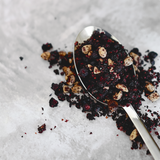
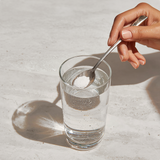
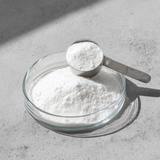
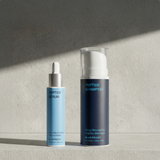
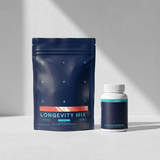
Hi Friend,Every morning, for the past two and a half years, I have followed a routine that’s been measured, refined, and optimized down to the smallest detail.We are pushing the frontiers of health and sharing it all with you. Here’s what that looks like in 2025:1. Wake Up~5:00 AM - I wake up naturally – no jarring alarms, as abrupt wake-ups can have negative effects on the body.2. Tracking My Core TemperatureFirst, I check my inner ear temperature. Most people sit around 98.7°F. I run significantly cooler – around 94°F (34.4C) – due to my health protocols. My metabolism has become more efficient. To put this into context, to achieve a similar body temperature (94°F), one would need to swim in ice for a mile. Checking my morning body temperature allows me to assess if anything is amiss. If my temperature is higher than normal, it may mean something is up. Females, your cycle will have your body temperature changing in predictable patterns. 3. Body Composition Check I take a quick body measurement using a Withings scale ($99 or $199) to track: Weight Fat Muscle Hydration Arterial stiffness 4. Breathing & Light Exposure To get my mind and body ready for the day: I do a 5-minute breathing exercise or meditation. Since I wake up before sunrise, I use a 10,000-lux light for 3–4 minutes to simulate natural morning light, helping regulate my circadian rhythm. 5. Hair & Scalp Routine I apply an Rx hair serum (Blueprint designed, out in June) and massage my scalp with a silicone scrubber for 1–2 minutes to improve blood flow. Then, I wear a red light therapy cap (Blueprint will have one in June) for 6 minutes to support hair growth while continuing my routine. 6. Hydration & Supplementation At 5:25 AM, I drink an 8 oz (236 mL) mix designed to support longevity: 1 scoop of Blueprint Longevity Mix 11g Blueprint Blueprint Collagen Protein 2.5g Blueprint Creatine (Longevity Mix already has 2.5g, totaling 5g) ½ tsp Prebiotic Galactooligosaccharides 1 tsp Inulin It’s comforting to know that the nutrition and supplements I get from Blueprint is 3rd party tested.  7. Exercise & MovementAt 5:30 AM, I train for 60–90 minutes, focusing on balance, flexibility, strength training, and cardio. My workouts include a mix of high-intensity intervals, resistance training, and functional movement. On weekends, I hike, play pickleball, ride a bike, climb, or do other outdoor activities. I rotate between listening to music, books, podcasts, or educational videos while training. 8. Breakfast & Supplement Routine At 6:45 AM, I have my first meal: Blueprint Protein (watch how I prepare it) with: 1 scoop of Blueprint Blueberry Nut Mix 11g Blueprint Collagen Protein 1 Tbsp Blueprint Extra Virgin Olive Oil 6g Blueprint Cocoa I also take my morning supplements: Blueprint Essential Capsules - 2 Blueprint Softgel - 1 Blueprint NAC + Ginger + Curcumin - 3 Blueprint Red Yeast Rice + Odor-Free Garlic - 1 EPA/DHA/DPA 800mg ProButyrate 600mg Proferrin 10.5mg NR (450mg) or NMN (500mg) Acarbose 200mg (Rx) Metformin (500mg) (Rx) While eating, I continue listening to a book, podcast, or educational video to make the most of my time. 9. Skin & Hygiene RoutineAt 7:15 AM, I follow my skincare and hygiene protocol: Face Care: Gentle cleanse, barrier strengthening serum, vitamin C, moisturizer. Sun Protection: Apply sunscreen if going outside when UV index is higher than 3 Shower Routine: Use body wash and exfoliate with a Japanese washcloth 2-3x per week Hair Care: Wash hair with Blueprint Peptide Shampoo, massage for 60 seconds with soft silicone brush to stimulate circulation. Once dry, apply Blueprint Peptide Serum and massage again with soft silicone brush (launching Summer 2025). 10. 10-Minute Walk & Work FocusAt 7:45 AM, I take a quick 10-minute walk outside, then begin work. My morning hours are my most productive, so I: Prioritize high-value tasks Rotate between sitting and standing at my desk for proper posture Avoid checking messages or social media until I complete at least one hour of deep work 11. Mid-Morning FuelAt 9:00 AM, I have my second meal of the day: Super Veggie (for those in the US, you can get Super Veggie delivered fresh): Black lentils, 45g dry (~150g cooked) Broccoli (head + stalk), 250g Cauliflower, 150g Shiitake or Maitake mushrooms, 50g Garlic, 1 clove Ginger root, 3g Lime, 1 Cumin, 1 Tbsp Apple Cider Vinegar, 1 Tbsp Hemp seeds, 1 Tbsp 1-4 Tbsp fermented foods (cabbage, kimchi, beets, etc.) Drizzle with 1 Tbsp Extra Virgin Olive Oil At 9:30 AM, I continue focused work, maintaining my posture throughout. How To Upgrade Your Morning Routine I don’t expect anyone to copy this routine. The point is to explore what’s possible and share insights so you can take what’s useful. If you’re struggling, start small.A short walk. Five minutes of meditation. One better meal. I spent nearly 20 years wrecking my body. If I can reverse that, just think what might be possible for you.Be well,Bryan P.S. If you want to follow my complete daily routine, you can do so here. Note:+ There may be slight differences in information between blogs and emails vs YouTube videos, as the protocol continues to be updated + You can find the most up-to-date protocol information on the protocol page.
Blueprint Recipes

Blueprint Recipes

Hi Friend, Here’s a list of the recipes I’ve been eating lately. One of life’s greatest joys for me. 1. Vegetable Stir Fry with Cauliflower Rice 1/2 medium onion, thinly sliced (approximately 75 g)   1/4 wedge of red cabbage, shredded (approximately 150 g)   1/4 wedge of white cabbage, shredded (approximately 150 g)  200 g mung bean sprouts (approximately 2 cups)   200 g chopped broccoli (approximately 2 cups)   225 g shiitake mushrooms, sliced (approximately 8 oz)   150 g sugar snap peas (approximately 1 cup)   15 g ginger powder (approximately 1 tablespoon)   15 g garlic powder (approximately 1 tablespoon)   30 ml gluten-free low-sodium tamari (approximately 2 tablespoons)   600 g cauliflower rice (approximately 20 oz)  15 ml olive oil (approximately 1 tablespoon)   Optional: 7 g hemp seeds (approximately 1/2 tablespoon) for garnish 2. Lemon Red Lentil Soup 15-30 ml olive oil (approx. 1-2 tablespoons)   3 large carrots, peeled and sliced (approximately 360 g)   2 stalks celery, chopped (approximately 180 g)   1 medium yellow onion, diced (approximately 150 g)   4 cloves garlic, minced   1.5 liters vegetable stock   225 g red lentils (about 1.5 cups)   2 bay leaves   2.5 g turmeric (approx. ½ teaspoon)   5 g cumin (approx. 1 teaspoon)   Juice of 1 lemon   Zest of 1 lemon (optional, for added flavor)  3. Chickpea Vegetable Frittata 240 g chickpea flour   360 ml water   1/2 medium onion, finely chopped   2 red peppers, diced   1 medium zucchini, diced   1 bunch parsley, chopped   1 bunch chives, chopped   2 garlic cloves, minced   15 g garlic powder (approx. 1 tablespoon)   15 g ground cumin (approx. 1 tablespoon)   1 Roma tomato, diced   225 g sliced mushrooms   15 ml olive oil (approx. 1 tablespoon) 4. Chickpea Stew 5 cloves garlic chopped 1 tbsp (6-8g) cumin 2 tbsp (30mL) extra virgin olive oil 2 tbsp (30g) tomato paste 1 tbsp (6-8g) paprika 1 tsp (3g) red pepper flakes 3 cups (500g) cooked chickpeas 2-3 tsp (5-7g) za'atar  2-3 bay leaves 1 roasted bell pepper 5. Cauliflower Lentil Loaf Loaf: 200g cooked lentils 300g riced cauliflower  150g chopped onion 8 oz mushrooms  30g nutritional yeast 5g minced garlic  5g Dijon mustard  2.5g smoked paprika  2.5g cumin  1.5g black pepper  1.5g chipotle powder  Glaze: 80ml unsweetened ketchup 5ml liquid smoke 6. Mushroom and Walnut Bolognese with Spaghetti Squash 225 g chopped cremini mushrooms 40 g chopped onion (1/4 cup) 40 g chopped carrots (1/4 cup) 40 g chopped celery (1/4 cup) 2 cloves garlic, chopped 60 g chopped walnuts (1/2 cup) 15 g garlic powder (1 tbsp) 15 g Italian seasoning (1 tbsp) 15 g tomato paste (1 tbsp) 340 g tomato sauce (12 oz) 30 ml gluten-free tamari ( 2 tbsp) 30 ml balsamic vinegar (2 tbsp) 1 medium spaghetti squash (about 1/2 squash after roasting) 5 ml olive oil (for greasing, approximately 1 tsp) 7. Herb Seasoned Cauliflower “Turkey with Sweet Potato Mash and Blanched Green Beans “Turkey”: 1 large head of cauliflower  30 ml olive oil 10 g garlic powder 10 g onion powder 10 g smoked paprika 5 g dried thyme 5 g dried rosemary 15 g nutritional yeast  100 ml vegetable broth (for basting) Sweet Potato Mash: 800 g sweet potatoes 30-60 ml almond milk (or any plant-based milk) 5 g garlic powder  5 g ground cinnamon  Blanched Green Beans: 400 grams green beans, trimmed Ice water (for blanching) 8. Black Lentil and Olive Salad with Spiced Roasted Carrots and Sundried Tomato Hummus Spice Roasted Carrots: 3 large carrots, sliced into thick coins 1 shallot, thinly sliced 2 tbsp extra virgin olive oil 1 tbsp maple syrup 1 tsp smoked paprika 1 tsp ground cumin ½ tsp salt Salad: 1 cup black lentils, rinsed 2 cups water or vegetable broth 1 tbsp red wine vinegar 1 tsp dijon mustard ¼ cup black currants ½ cup castelvetrano olives, pitted and chopped ⅓ cup roasted almonds, chopped ¼ cup flat-leaf parsley, finely chopped 2 tbsp fresh mint, chopped To Serve: ½ cup sun-dried tomato hummus 9. Sweet Potato and Cabbage Curry with Cauliflower Rice Curry: 2 cups shredded fresh cabbage 1 medium/small sweet potato, diced into 1-inch pieces 1 medium onion, finely chopped 2 tbsp olive oil 1 tsp cumin seeds 1 dry red chili, broken into pieces ½ tsp turmeric powder 1 tsp coriander powder ½ tsp red chili powder (adjust to taste) ½ tsp salt (or to taste) Garnish & Serving: ¼ cup chopped cilantro 1 tbsp lime juice 2 cups cauliflower rice 10. Grain Free Porridge with Butterfly Pea Flower 250ml (1 cup) macadamia nut milk 30g (1/4 cup) almond flour 15g (1 tbsp) hemp seeds 10g (1 tbsp) chia seeds 10g (1 tbsp) ground flax 1/2 tsp vanilla extract 1 tsp butterfly pea flower powder 1/4 tsp cardamom Handful of fresh berries for topping   Instructions: Add all the ingredients into a blender Blend until smooth Top with the fresh berries Serve and enjoy   11. Mushroom Walnut Stuffed Acorn Squash Squash: 2 medium acorn squash, halved and seeds removed 1 tablespoon olive oil Filling: 1 tablespoon olive oil 16oz crimini mushroom 4tbs chopped walnuts 4tbs unsweetened dried cranberries 1tbs honey 1/2tbs cinnamon 12. Butternut Squash Soup with Roasted Apples and Carrots (Serves 4-6) 1 medium onion, diced 3 cloves garlic, minced 1 medium butternut squash, peeled, seeded, and cubed (about 4 cups) 2 Honeycrisp apples, peeled, cored, and diced 2 large carrots, peeled and chopped 1 teaspoon garam masala ½ teaspoon ginger powder 4 cups vegetable broth 1 cup coconut milk 2 tablespoons olive oil 13. Black Bean and Mushroom Bowl with Chickpea Rice (Serves 2-3) 1 can (15 oz) black beans, drained and rinsed 1 cup cherry tomatoes, halved ½ medium onion, diced 1 cup oyster mushrooms, chopped 1 teaspoon umami seasoning ½ teaspoon cumin ½ teaspoon garlic powder 1 tablespoon olive oil ¼ cup pickled red onions 1 cup fresh spinach ½ cup shredded carrots ½ cup sliced radish ¼ cup chopped cilantro 1 ½ cups cooked chickpea rice 14. Superfood Smoothie (Serves 1-2) ½ cup strawberries ½ cup blueberries ¼ cup pomegranate arils ½ cup dark cherries, pitted 1 cup almond milk 1 tablespoon flax seeds 5-6 macadamia nuts 1 teaspoon chia seeds 1 teaspoon blueprint cacao   Instructions Add all the ingredients into a blender Blend until smooth Serve and enjoy   Enjoy, Bryan
How to Make My Anti-Aging Lunch (Live to 120+)

How to Make My Anti-Aging Lunch ...

I eat Super Veggie every day. I love it. Here’s how to make it at home: Super Veggie Ingredients Black lentils, 45 grams dry, ~150 grams cooked Broccoli (head+stalk), 250 grams (Can also use Broccoli sprouts) Cauliflower. 150 grams Shiitake or Maitake Mushrooms, 50 grams Garlic, 1 clove (a piece) Ginger Root, 3 grams Lime, 1 Cumin, 1 Tbsp Apple Cider Vinegar, 1 Tbsp Hemp Seeds, 1 Tbsp After prep, drizzle 1 Tbsp of Extra Virgin Olive Oil  Super Veggie Instructions Weigh vegetables. Place broccoli, cauliflower, mushrooms (maitake or shiitake), ginger and garlic in boiling water*. Boil until tender (7-9 min). Steaming is also acceptable. Lentils: bring the water to boil in a medium saucepan. Add lentils. Reduce heat to low and cook uncovered for 18-20 or minutes until "al dente". Place in a colander to drain and rinse under cold water. You can choose to blend or keep whole. Blend in a high-speed blender place 1 Tbsp of dried cumin, 1 Tbsp of apple cider vinegar, 1 fresh Lime, cooked black lentils, the strained cooked vegetables, and blend until it becomes thick soup. Can also serve as the picture above. If needed add some of the vegetable water (or steaming water) to thin out the texture. Top with hemp seeds. I season it with NuSalt (potassium chloride). *Cooked via low temperature, high humidity, high acidity, high antioxidant cooking methods to minimize formation of Advanced Glycation End-products (AGEs) and Advanced Lipid Peroxidation End-products (ALEs). A note on Super Veggie taste. The food I eat is delicious to me; one of the most exciting moments of my day. When starting, sometimes there is a period of adaptation and some want to play with the recipe and texture. Blueprint breaks all kinds of social norms which predictably triggers human responses that draw those lines. 
Things that make you age faster, and slower

Things that make you age faster,...

Hi Friend,A new study is out: things that make you age faster, and slower, according to 16 epigenetic age clocks.These interventions demonstrated a significant decrease or slow-down of Biological Aging1. Pharmacological Interventions: Anti-TNF therapy (anti-inflammatory), Metformin (Anti-diabetes, AMPK activation),Ketamin (antidepressant psychedelic, dissociative). 2. Supplements: AC11 supplement (natural DNA repair booster), TruLacta (a human-milk based supplement).3. Lifestyle Adjustments & Surgeries: Gastric Bypass (weight reduction), smoking cessation, kidney transplant, hyperbaric oxygen therapy HBOT (large average effect, but no statistical significance)4. Diets: Vegan Diet, Green Mediterranean Diet, Mediterranean Diet, low fat and low carb diets.These interventions demonstrated a significant increase or acceleration of Biological Aging1. Pharmacological Interventions: Rapamycin (mTORC1 inhibitor, immunosuppressant), senolytics.2. Supplements: Buckwheat Extract 3. Gene Therapies: Follistatin (myostatin inhibition, muscle growth)4. Lifestyle Adjustments, procedures & Surgeries: Kidney DialysisThe findings are very reassuring regarding my health program and the Blueprint stack and some of the latest changes we introduced.Many of the reported findings echo my protocol and system, which is fascinating as it indicates that continuous measurement and optimization for actual biomarkers and performance indicators automatically consolidates the interventions that best slow down epigenetic biological age.Here are some examples:RapamycinIn September I stopped Rapamycin, based on concerns around its metabolic side-effects observed in my lab results (including increased cholesterol, blood sugar and RHR); the data here showed Rapamycin increased biological aging according to two clocks, while ineffective according to the others. Details here.MetforminI continue to take Metformin, despite concerns based on its ineffectiveness in ITP mouse studies (2), and claims about it blunting muscle growth (3) (I am top 0.1% of my age-group for muscle volume) evidence from this study and from aging clocks in non-human primates (4), as well as lowering cancer incidence in retrospective population studies (5), all indicate metformin as a promising longevity intervention.DietA green mediterranean diet fared best at reducing/slowing down aging as measured by 10 out of 16 aging clocks, this diet is the closest to my Blueprint diet. Also, I stick to a grain-free diet. The slight but significant acceleration in aging clocks observed with buckwheat extract further validates the choice of avoiding grains.Follistatin gene therapyThe study reported a significant increase in biological age with Follistatin gene therapy, primarily driven by its effect on the PACE aging clock. I have received this therapy, which successfully boosted my circulating Follistatin levels. Upon getting the gene therapy my PACE score dropped from 0.70 to 0.64. While this effect is associative, and is not necessarily caused or driven by the increase in my Follistatin, it is still reassuring that - at least in my case- Follistatin gene therapy had no undesired effect on my biological age. We remain very curious about the reported effect, and are investigating the potential underlying causes, and whether the analyzed Follistatin gene therapy was a healthy or a disease-specific cohort, which has a huge impact in interpreting this result.Minicircle, the company that provided my Follistatin gene therapy, had shared their data in a pre-print in which their Follistatin gene therapy did not associate with a change in PACE, however still showed that it mildly reduced Extrinsic Epigenetic Age, with a strong correlation to T and B immune cells.(6)Tracking my epigenetic biological ageI continuously trace my epigenetic biological age using the PACE (DunedinPACE) clock, as discussed this clock is superior in both reliability and sensitivity, especially in detecting shifts in biological age in healthy cohorts, all desirable features for a biological age clock.It's worth noting: as far as I know, I am the most epigenetic-measured person in the world. We saw its potential early on as an important way to measure biological age and inform our decision making. We remain bullish.Results validate some longevity interventions, but mostly indicate a wide gap in the systemic understanding of other interventions and the reliability of "single aging clock approaches" and animal data in assessing longevity outcomes in humans.Metformin has long been of interest as a longevity drug, and while some mouse studies including ITP failed to demonstrate conclusive lifespan extension with metformin, the picture here looks much brighter, with 5 out of the 16 clocks indicating significant reduction/deceleration in biological age, with no clock indicating the contrary. A recent study on monkeys also used multiple aging clocks to demonstrate the anti-aging effects of metformin (4), particularly in the brain, here's my post on this study.Anti-TNF therapies also reduced biological age across most clocks, indicating the significance of "inflammaging" in driving the aging process.On the other hand, Rapamycin, which is consistently the strongest drug intervention at extending lifespan in mice (solo and in combination with other interventions) according to several gold-standard ITP studies, surprisingly drives an increase in biological age according to 2 of the clocks, while having no effect on the remaining ones. This further puts to question the validity of rodent data in predicting longevity interventions in humans.As for the vitamin-B rich Buckwheat extract, B vitamins drive the methylation cycle, which drives up wide genome methylation as seen in this large elderly cohort study (7), potentially accelerating the aging-associated epigenetic changes. Furthermore, long-term B9 supplementation increased cancer incidence and all cause mortality, with the effect specifically correlated to the folate concentration in the blood (8).Evaluation of Aging Clocks' Reliability and Sensitivity Shows the Potential of the DunedinPACE ClockBeyond validating interventions, the authors also assessed the reliability and sensitivity of the 16 tested aging clocks by comparing them to one another and gauging how often a clock's result agreed/disagreed with the majority of the remaining clock, as well as how often a clock was unique in detecting a different for a particular intervention.DunedinPACE clock (a next generation clock measuring the speed of aging) stands out here by being always either in agreement with a majority of the remaining clocks, or uniquely detecting a change in biological age, where no other clock did.Sensitivity of Aging Clocks in Health and Disease InterventionsFor the longevity field, aging clocks that can detect changes in biological age in healthy people are of particular value. Improvements from treating a disease are usually greater in magnitude and easier to detect than incremental improvements from longevity interventions in healthy people.True longevity interventions should drive biological age reduction in healthy cohorts too, as they address the underlying aging process as opposed to particular diseases.Three clocks showed significant effect detection in studies on healthy cohorts, including DunedinPACE, while also being significant in disease studies. The GrimAge clock, geared for predicting mortality, also showed efficiency in both contexts.7 Organ-System Clocks, and Proxy Epigenetic Markets of Metabolites and Proteins are Reliable in Predicting Intervention Effects, including Diets.The latest generation of epigenetic aging clocks is called Gen X (for generation explainable), they aim to make biological age assessments more understandable by focusing on specific epigenetic signature that can link the effects on systemic biological aging to specific organs (called Organ system Clocks) and/or biomarkers (Called DNAm Proxies), in a manner similar to how conventional studies seek to elicit the mechanism of a drug or intervention.The example below demonstrates how these epigenetic clocks can predict the effects of various diets on organs, systems, and biomarkers, in other words the epigenetic data reliably recapitulates what we know about the effects of these diets on organs and biomarkers (e.g. vegan and mediterranean diets reducing inflammation, low carb diet reducing HB1ac)Closing thoughtsAging clocks are mostly a proxy (surrogate endpoint) for the actual endpoint of interest, which is lifespan itself (mortality data). Relying solely on mortality data would delay the field by several decades.Since aging clocks were not specifically designed to independently predict the effects of of various therapies or interventions on aging, their accuracy in determining the effect of a particular therapy on epigenetic age is yet to be fully established as they sometimes isolate particular negative effects, while neglecting positive effects that can still be beneficial to extending life-and health-spans.This lack of reliability and accuracy motivated the development of several generations of aging clocks algorithms, and the resulting lack of consistency in implementing the various aging clocks is what motivated this study to create a roadmap for the optimal use of aging clocks to evaluate anti-aging therapies and interventions.Be well,BryanSources1. https://biorxiv.org/content/10.1101/2024.10.22.619522v1.full.pdf2. https://pubmed.ncbi.nlm.nih.gov/27312235/3. https://pmc.ncbi.nlm.nih.gov/articles/PMC6826125/4. https://pubmed.ncbi.nlm.nih.gov/39270656/5. https://bmj.com/content/330/7503/1304.long6. https://minicircle.io/wp-content/uploads/2024/04/fstpreprint.pdf 7. https://jamanetwork.com/journals/jama/fullarticle/184898
Blueprint Protein is Better than Anything You're Consuming Now

Blueprint Protein is Better than...

Blueprint Protein is the best in the world. Every science-backed ingredient actively supports digestion, gut bacteria, energy balance, and performance. It delivers a complete and balanced meal with the right ratios between protein, carbohydrates and fats. It’s extensively tested and third party lab results are shared publicly. No fillers, preservatives and gluten-free. No one else does this.  It's the best in the world. Here’s why: Science-backed Ingredients Pure pea and hemp protein. Compared to whey protein, pea protein is equivalent at inducing muscle growth (1) (2), but has lower amounts of allergen and harmful lipids (3). Hemp protein has an excellent amino acid profile that is anti-oxidizing. It also promotes parasympathetic (pro relaxation) activity and can lower blood pressure, as shown in preclinical research (4). MCT Oil Powder activates fat oxidation and provides a natural source of exogenous ketones. Flaxseed is a great source of fiber and omega-3 fatty acids. Pink Himalayan Salt: natural unprocessed salt providing potassium, calcium in addition to essential trace minerals. Allulose is a healthy, zero calorie, metabolically neutral sweetener. May aid weight loss and reduce body fat. Possesses antioxidant properties, supporting overall cellular health. Monk fruit: healthy, zero calorie metabolically neutral sweetener. Isomaltulose is a slow-release carbohydrate with a low glycemic index of 32 that is found in honey. Isomaltulose stabilizes blood glucose, supports fat-burning, improves endurance and supports heat tolerance while exercising. Resistant Maltodextrin is a fiber that improves digestive health, enhances the gut microbiome by promoting growth of beneficial bacteria, maintains blood sugar levels and insulin sensitivity, increases satiety, and boosts immune function by decreasing inflammation and increasing anti-inflammatory compounds. A Complete and Balanced Meal Blueprint Protein has the right ratios between protein, carbohydrates, and fats that work synergistically. Proteins function as the building blocks that support muscle repair, maintenance and growth in response to physical activity. Fats help activate the body’s internal fat burning as well as providing essential beneficial types of fat. Carbohydrates provide energy to activate metabolism, supporting exercise and activity. Blueprint Protein delivers the following A complete amino acid profile. A stable supply of energy while avoiding unhealthy sugar and insulin peaks. Fibers to support digestion and the gut bacteria. Ketogenic and omega-3 fatty acids to support beta oxidation and boost the omega-3 index essential for immunity and metabolic health. Extensively Tested Blueprint Protein is extensively tested by third party labs and the results are shared publicly. Heavy metals such as Arsenic, Cadmium, Lead, Mercury Over 69 types of pesticides including DDT, Aldrin, Dieldrin, Chlordane, Chlorpyrifos, Lindane, Malathion, Permethrin, and Heptachlor. Bad bacterias such as E. coli, Salmonella species, Staphylococcus aureus, and Mold. Potential allergens such as gluten But wait … you might say … Sugar is bad for me. This has ingredients I can’t pronounce! Protein is all I need. Our cultural programming needs some updating. Sugars can be good for you. Slower sugars with a low-glycemic index score, such as isomaltulose, can provide a slow and steady supply of energy without spiking blood sugar and insulin while also stabilizing blood glucose, supporting fat-burning, improving endurance and supporting heat tolerance while exercising. Not all proteins are created equal. A large study with 0.5 million participants concluded that plant protein reduced all cause and cardiovascular mortality within 16-year follow up time in both men and women (5). Moreover, replacing 3% of calorie intake from animal protein with plant protein reduced all-cause mortality by 11% and 12% in men and women, respectively. Single ingredient - you want food that creates the perfect metabolic environment for your body. You want a low blood glucose response, microbiome support, insulin response, fat oxidation, immune system support and more. Blueprint protein is designed for these objectives. Scientific names - If you saw “dihydrogen monoxide” on a nutrition label, you may be skeptical. If you researched it, you’d discover that it’s the scientific name for water. Judge ingredients not by their name but their scientific evidence. “Isomaltulose and Resistant Maltodextrin” are two such ingredients in Blueprint protein that may trigger initial skepticism but are actually health actives and supported by scientific evidence. Blueprint Protein is an all-in-one health and longevity meal. https://pubmed.ncbi.nlm.nih.gov/32784847/ https://pubmed.ncbi.nlm.nih.gov/30621129/ https://www.healthline.com/nutrition/pea-protein-vs-whey#comparison https://www.sciencedirect.com/science/article/pii/S221345302200235X https://www.ncbi.nlm.nih.gov/pmc/articles/PMC7358979/ Disclaimer: this blog is provided for educational and informational purposes only and does not constitute providing medical advice or professional services. The information provided should not be used for diagnosing or treating a health problem or disease, and those seeking personal medical advice should consult with a licensed physician.
FSA/HSA for Blueprint

FSA/HSA for Blueprint

We've partnered with TrueMed to allow you to use your Health Savings Account (HSA) or Flexible Spending Account (FSA) on the Blueprint Store.  If qualified, you can buy our products with pre-tax dollars, resulting in net savings of 30-40%. How It Works Here’s a step-by-step guide to walk you through one-time and subscription orders. For one-time orders:  Go to the Blueprint store  Add your favorite Blueprint products to your cart (choosing “one-time purchase”)  At checkout, under Payment, choose “TrueMed - Pay with HSA/FSA” Enter your HSA/FSA card details Take the 1-minute survey to determine your eligibility Once eligibility is confirmed, you’ll receive a confirmation email with your Blueprint product details For subscription orders:  Go to the Blueprint store  Add your favorite Blueprint products to your cart (choose  “Subscribe & Save”)  At checkout, pay with your normal credit or debit card After you complete your purchase, you’ll receive a confirmation email with a survey inside Take the 1-minute survey to determine your eligibility In a few business days, the TrueMed Concierge will contact you about eligibility Once you’re approved, TrueMed will reimburse you via your HSA/FSA providerPlease note, you must check out as a guest to use TrueMed. If you are logged into a payment method, such as ShopPay, you might not see the TrueMed optionYou can find these steps on our HSA / FSA information page.
Is Supermarket Chocolate Toxic?

Is Supermarket Chocolate Toxic?

  Dark chocolate has many health benefits. However, it can be high in heavy metals. Heavy metals can cause cancer, high blood pressure, kidney disease and low sperm count - things you don't want. The problem is companies don't tell you how much heavy metals are in their products.     I tested 10 supermarket chocolates to determine how good or bad they are for you. I gave each chocolate a score based on total flavanols divided by total heavy metals, and ranked them from worst to best.     \ When I learned how dirty the mainstream food supply was, I started sourcing my own food, including cocoa. Blueprint Cocoa has 537mg flavanols and 2.9 µg heavy metals. The final score for Blueprint Cocoa is 180, over double the number one position of the supermarket brands. You can see the CoA for our Cocoa here.   It's critically important to know what you're eating and to have data on the cleanliness and the positive benefits of your food. As always, I don't care if you buy from me. I share all my research so you have the resources to go out and buy your own products. I want you to be healthy and happy. If Blueprint can be part of that, great. If not, do your thing.    A last note on the companies that we tested; this is not a takedown, this is not to shame them. We live in a vast food ecosystem and it’s very challenging for providers to achieve clean food. Transparency in our food supply chain is a good thing for everybody.   Nobody wins when our food supply is dirty. Nobody wins when we're unhealthy.   It's time we change the world from a Die Economy to a Don't Die Economy.    Be well,   Bryan   Disclaimer: this blog is provided for educational and informational purposes only and does not constitute providing medical advice or professional services. The information provided should not be used for diagnosing or treating a health problem or disease, and those seeking personal medical advice should consult with a licensed physician.