



















4 Protocols to Follow After 40
Written by Vanessa Gibbs • 09.23.2026
Bryan Johnson ran his body down for years… then rebuilt it in his 40s.
That decade is a bigger deal than most people realize.
Researchers tracking thousands of molecules found the first major aging burst happens around age 44. Molecules related to cardiovascular disease, skin and muscle aging, and lipid metabolism shift in both men and women.
Aging doesn't happen gradually. It happens in bursts.
Bryan is proof it's never too late to turn things around.
Here are 4 protocols to follow after 40 to fight back against the "burst."
#1. Strength train to fight muscle and bone density loss
In your 30s and 40s, you begin losing muscle mass (a process called sarcopenia) and bone density.
For muscle, you lose ~3-5% every 10 years, with an accelerating aging burst in your mid-40s.
For bone, you reach peak bone density between ages 25-30, and it declines from there. The bone density drop is even steeper for women during menopause, which happens around age 50.
You might not notice muscle and bone density loss, but it compounds over time.

Muscle strength is among the best predictors of how well you age. Grip strength, for example, is potentially a stronger predictor of all-cause and cardiovascular mortality than systolic blood pressure. And bone density is the difference between a stumble in your 70s and a life-altering fracture.
Strength training is one of the few protocols that defends both at once. Resistance exercises provide mechanical load, or stress, to your bones. Your bones adapt to this stress by getting stronger, increasing density in response to resistance.
The protocol:
- strength train 2-3 times a week: If you're new, start with bodyweight exercises or work with a trainer.
- work all major muscle groups: Do compound movements, including squats, lunges, rows, presses, and deadlifts.
- do progressive overload: Gradually lift heavier weights or do more reps over time.
- eat enough protein for muscle repair: Eat 1.2-1.6 grams of protein per kilogram of body weight. Women should increase this to 2 grams in the luteal phase of the menstrual cycle, during perimenopause, and after menopause.
#2. Track biomarkers more closely
In your 40s, several biomarkers related to long-term health start drifting up.
For example, arteries tend to stiffen and cells grow more resistant to insulin with age. This shows up in your biomarkers as elevated blood pressure and blood glucose.
If you know your numbers and check them on a schedule, you can act early when changes are easier to reverse.
Key numbers to keep an eye on:
- blood pressure
- cholesterol
- blood sugar
- apolipoprotein B (ApoB, a key marker of heart health)
You can track 100+ important numbers with Biomarkers.
Beyond biomarker measurement, get more regular health checks from your 40s onward, including:
- eye exams every 2-4 years from age 40-54, then more regularly
- colorectal cancer screenings starting from age 45 (some stool and blood tests should be annual, while colonoscopies are every 10 years, or 5 years with a family history of colon cancer)
- for women, breast cancer screenings every 1-2 years from age 40 to 74
A healthcare provider can let you know if you'd benefit from any other screenings and the ideal schedule to follow.
#3. Ramp up skin and haircare protocols
Your 40s are when 2 decades of slow change start to show up in the mirror.
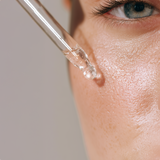
Skin: Natural collagen production drops by ~1% each year after age 25. This is the protein that keeps skin firm and elastic. Accumulated sun damage may also start to show up in your 40s as dark spots, sagging, and wrinkles.
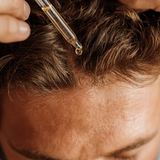
Hair: By age 20, ~20% of men already have some visible hair loss. By 50, 40% of women will have visible hair loss. But many people lose up to 50% of their hair before they start to notice thinning. Grays start to set in, too.
The protocol:
- reverse hair loss: Consider treatments like oral minoxidil, topical minoxidil, finasteride, and/or low-level laser light therapy (LLLT).
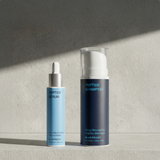
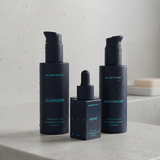
- protect aging hair: Use peptide haircare (like Blueprint Peptide Hair Serum and Shampoo) to support the appearance of stronger, healthier-looking hair.
- reverse skin damage: Tretinoin stimulates collagen production, improves skin texture and fine lines, and reverses photoaging. Protect your skin when the UV index is >4 to minimize future sun damage.
- protect aging skin: The Blueprint Skincare Stack contains SFC and NMN, which help reduce visible signs of aging and support natural collagen production. Supplement with Collagen Peptides daily.

#4. Take sleep hygiene more seriously
You can't run on bad sleep like you did when you were 23… you shouldn't even do that at 23.
Sleep is vital for healthy aging, but it also seems to get more difficult with age. Deep sleep declines, hormonal changes cause more fragmented sleep, and your circadian rhythm becomes less robust.
Paying more attention to sleep hygiene (the habits that help sleep) can help you continue to get enough of it.
- keep a consistent schedule: Anchor your circadian rhythm by going to bed at the same time (+/- 30 min) each night and getting morning light within 15-30 min of waking.
- avoid eating close to bedtime: Start by avoiding food 1-2 hours before bed and move back from there. Aim for at least 4 hours.
- stay cool: Keep your bedroom temperature between 60-67°F (15-19°C) and use breathable bedding or a cooling mattress. This is even more important for women during perimenopause, which can start in your 40s and cause night sweats.
- monitor for sleep apnea: Loud snoring, gasping, and daytime exhaustion are worth raising with a doctor. Sleep apnea undermines your sleep, no matter how good your sleep hygiene is. It's more common with age, but treatable.
Remember, the first aging burst hits around age 44… but it's not the point of no return. It's a cue to dial in your protocols while changes are easier to defend against.
These statements have not been evaluated by the Food and Drug Administration. Products are not intended to diagnose, treat, cure, or prevent any disease.
Prescriptions are subject to an assessment clinical determination by a provider that a prescription is clinically appropriate. No prescriptions are guaranteed. The representations made by Bryan Johnson represent his personal opinions and regimen, which may not be clinically appropriate for you.


