
















Protein for Longevity: Benefits, Best Sources, and How Much You Need
Written by Vanessa Gibbs • 10.05.2026
Your body runs 70+ organs. Every one of them is built from protein.
Protein supports your heart, brain, bones, weight, and more. Eating the right type of protein is essential for any research-backed longevity protocol.
In this blog post:
- protein longevity research
- plant vs. animal protein
- how much protein to consume
What are the health benefits of protein?
Protein is one of 3 essential macronutrients (along with carbs and fats). It supports…
#1: Heart health
- high-protein diets are linked to improvements in blood sugar, blood pressure, and blood lipids (fats).
- eating a higher plant-to-animal protein ratio is linked to a lower risk of cardiovascular disease and coronary artery disease.
#2: Mental performance
- protein may help support blood flow to the brain.
- research suggests increased protein intake can support mental performance, including memory and processing speed.
- interestingly, studies on this so far point to nuts as the protein source.
#3: Weight management
- high-protein diets decrease hunger hormones and increase fullness hormones and metabolism.
- proper protein intake can also help support lean muscle maintenance as part of a weight loss protocol.
#4: Longevity
- an analysis of 63 studies found a higher protein intake was linked to a lower risk of death from any cause. Plant proteins were linked to even lower risk.
- consuming an extra 3% energy from plant proteins per day was associated with a 5% lower risk of death from all causes.
- protein also helps you build and maintain muscle, which is linked to longevity.
Best protein sources for longevity
In general, minimize protein from foods like fatty beef, hot dogs, and deli meats.
Instead, try getting protein from:
- eggs
- nuts and seeds
- unsweetened yogurt
- lean chicken and turkey breast
- legumes (lentils, chickpeas, beans)
- fatty fish (salmon, mackerel, herring)
If you eat meat, consider swapping out some animal proteins for plant proteins to tip the plant-to-animal ratio in your favor.
How much protein do you need for longevity?
Different amounts of protein may be best for different health outcomes. Generally, aim for 1.2–1.6 grams of protein per kilogram of body weight per day. A little more may be best for hypertrophy-focused resistance training (muscle building).
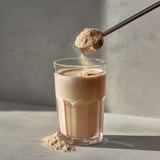
If you can’t get enough protein from whole foods, protein powders can help you hit your intake goals.
How to choose a clean protein powder
Many protein powders contain heavy metals. Others play fast and loose with dosing. Look for protein powders that are third-party tested and transparent with their doses.
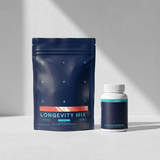
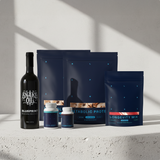
- contains 26g of plant-based protein (pea and hemp)
- is third-party tested for purity and heavy metals
- has research-backed precision doses

Bryan Johnson consumes Longevity Protein daily as part of his pre-workout protocol.
These statements have not been evaluated by the Food and Drug Administration. This product is not intended to diagnose, treat, cure, or prevent any disease.


