




















4 Heart Health Protocols
Written by Vanessa Gibbs • 06.25.2026
Cardiovascular disease is the leading cause of death worldwide. Yet ~80% of cases are preventable.
We've got to fix that.
Lifestyle factors significantly influence your heart's health and biological age.
Bryan is proof. His blood pressure is lower than 90% of 18-year-olds and his vascular function is equivalent to that of someone in their late teens or early 20s.
That didn't happen overnight… it was through consistent daily habits.
In this blog post:
- the basics of heart health
- advanced protocols you might not think of
The basics of heart health
To protect your heart and reduce your risk of cardiovascular disease:
- eat fruits, veggies, whole grains, nuts, seeds, lean proteins, and extra virgin olive oil
- eat fewer processed foods
- limit salt, added sugar, saturated fats, and alcohol
- exercise regularly
- get enough sleep
- avoid smoking
- maintain a healthy weight
Advanced heart health protocols
Once you've mastered the basics above, you can expand your heart health protocol.
#1. Light at night
Light exposure at night disrupts your circadian rhythm. This has downstream effects on your heart.
Short-term disruption causes an increase in heart rate, blood pressure, inflammation, blood clotting, and more. Circadian disruption also impairs glucose metabolism, increasing your risk of type 2 diabetes, a risk factor for heart disease.
One study found people who got more light exposure at night had a higher risk of:
- coronary artery disease
- heart attack
- heart failure
- stroke
This was true even after adjusting for cardiovascular risk factors like diet, exercise, smoking, alcohol, and sleep duration.
What to do:
- dim the lights 1-2 hours before bed.
- avoid blue light and use red or amber light instead.
- use blackout blinds, curtains, or an eyemask.
#2. Social connection
Social connection could affect longevity as much as exercise and obesity.
When lonely or socially isolated, you're more likely to engage in unhealthy behaviors, like smoking and being sedentary. Your immune system goes down, and your blood pressure goes up.
The effect is surprisingly large. Poor social relationships are associated with a ~30% increased risk of coronary heart disease and stroke.
What to do:
- set up weekly recurring social plans (consistency compounds).
- aim for 1 meaningful conversation a day.
- schedule time with friends as you would work meetings.
#3. Sauna
Your heart rate increases during a sauna session, mimicking a low-to-moderate intensity workout. This can improve blood pressure and left ventricular function (the side that pumps blood from your heart to the rest of your body).
Regular sauna use may reduce your risk of:
- sudden cardiac death
- fatal coronary heart disease
- fatal cardiovascular disease
The more often you sauna, the better.
| Sauna frequency | Coronary heart disease risk | Cardiovascular disease risk |
|---|---|---|
| 2-3x/week | 23% lower | 27% lower |
| 4-7x/week | 48% lower | 50% lower |
Longer sessions (11-19 min) are also more beneficial for heart health than shorter sessions (<11 min).
What to do:
- if you have access to a sauna, use it.
- aim for 176-212°F (80-100°C), 15-20 min, 3-5x a week if you're getting started.
What Bryan does:
- 200°F (93°C)
- 20 min daily
- ice pack on the boys to protect fertility markers
- wool hat or towel to protect scalp
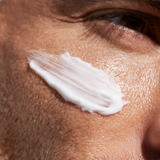
- Blueprint SFC Facial Moisturizer before sauna, and a face mask and Blueprint SFC Facial Serum a few times a week after sauna to prevent skin drying
See Bryan's latest sauna protocol here.

Skip sauna sessions if you:
- have serious heart issues or uncontrolled blood pressure
- are pregnant (consult your doctor)
- have an infection, fever, or feel unwell
- have a history of seizures
- struggle with respiratory conditions (asthma, COPD)
- have irritated or inflamed skin
- recently consumed alcohol or recreational drugs
- are taking medications such as beta-blockers, stimulants, anticholinergics, or diuretics
#4. Monitoring biomarkers
Monitor your:
- blood pressure
- cholesterol
- blood sugar
- apolipoprotein B (ApoB)
High blood pressure, cholesterol, and blood sugar are all risk factors for heart attacks and stroke. You might not know you have high levels until it's too late.
High blood pressure, in particular, is a silent killer. There are often no symptoms, yet it is one of the biggest causes of heart attack and stroke.
ApoB carries bad-for-you fats, like cholesterol, around your body. High levels are associated with an increased risk of heart attack and atherosclerotic cardiovascular disease (a build-up of fats and plaque in your arteries).
What to do:
- get a blood pressure cuff to monitor blood pressure at home.
- test cholesterol, blood sugar, and ApoB regularly (you can test through Biomarkers).
- if your numbers are concerning, make lifestyle changes (like diet, exercise, and sleep) to work toward healthier ranges.
There is a lot you can do to protect your heart. Start with the foundations: diet, exercise, sleep. Layer additional protocols from there.


