



















Is Vitamin D Good for Longevity?
Written by Vanessa Gibbs • 09.30.2026
Vitamin D supports your bones, immune system, and blood pressure regulation… and yet ~77% of people don’t get enough.*
Supplementing can help protect the life of telomeres, which are an important factor in healthy aging.*
In this blog post:
- what is vitamin D
- longevity link
- where to get it (and why the sun isn’t the best place)

What is vitamin D?
Vitamin D is a fat-soluble vitamin that regulates the function of more than 200 genes.
There are two forms, D2 and D3, both of which are converted into 25-hydroxyvitamin D in the liver, and then into 1,25-dihydroxyvitamin D in the kidneys.
1,25-dihydroxyvitamin D, the biologically active form of vitamin D, is involved in:
- cell growth
- bone formation
- immune function
- insulin production
- blood pressure regulation
- and more*
Is vitamin D good for longevity?
Getting enough vitamin D does a lot for your body.
For example…
Bones
Vitamin D is needed for bone growth and remodeling, and it helps your body absorb calcium, another important nutrient for bone health.
Supplementing vitamin D helps support strong bones as you age.*
Immune function
Vitamin D helps maintain a healthy immune system.*
It may also enhance autophagy, which is when your body breaks down and recycles old cell parts.*
Aging
Research also shows that vitamin D3 supplements can extend the time it takes to shorten telomeres, effectively promoting healthy aging.*
This study involved taking 2,000 IU vitamin D3 over 4 years. Longevity is a long game.
How much vitamin D do you need?
The recommended dietary allowance for vitamin D is 600 IU for men and women. This bumps up to 800 IU for those over 70.
Research on supplementation is mixed. Many studies look at 2,000 IU. Bryan takes 2,000 IU of vitamin D daily.
Where to get vitamin D
You have a few options.
Food
Vitamin D is found in foods like:
- egg yolks
- cheese
- mushrooms
- fatty fish (e.g., trout, salmon, and mackerel)
- fortified foods (e.g., milk or cereal)
Eating these foods can help you top up levels… but it’s difficult to get enough vitamin D through food alone.
Sunlight
Your body makes vitamin D from sunlight. This needs to be direct sunlight. Not sunlight through a window. Not sunlight through sunscreen.
It’s unclear how much you need. Some researchers suggest spending 15–20 min a day in sunlight with 40% of your skin exposed. Depending on where you live, this might not be possible all year round.
That’s not the only problem. People with darker skin tones and older adults don’t produce as much vitamin D from sunlight. And as sun exposure can cause skin aging and skin cancer, supplements can be a safer source.
See Bryan’s sunlight protocol here.

Supplements
You can find vitamin D2 and vitamin D3 supplements. Both increase your 25-hydroxyvitamin D levels. But vitamin D3 increases them more and maintains higher levels for longer.*
You can find dedicated vitamin D supplements or multivitamins that cover more needs in one protocol.
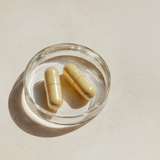
For example, Essential Capsules contain 2,000 IU vitamin D3 along with 22 other longevity actives.
Whatever you decide, make sure you’re getting enough vitamin D, and consider supplements over too much sun exposure as your source.
*These statements have not been evaluated by the Food and Drug Administration. This product is not intended to diagnose, treat, cure, or prevent any disease.


