















Does Bryan Johnson Drink Coffee?
Written by Bryan Johnson • 10.21.2026
Coffee is one of the most studied longevity drinks in the world… and I don’t drink it.
I personally find caffeine destabilizes my mood, disrupts my sleep, stains my teeth, and creates too much of a metabolic rollercoaster for me.
I will occasionally drink decaf.
However, coffee may be a perfect fit for you.
In this blog post:
- coffee’s longevity link
- decaf vs. caffeinated
- my decaf protocol
- what you should do
Coffee longevity link
Drinking coffee is linked to living nearly 2 additional years of healthy life.
It can support:
- lung health
- metabolic health
- heart health
- memory
- mood
- healthy aging
Why? It’s not just the caffeine. Coffee contains more than 2,000 compounds, including bioactive compounds such as melanoidins and chlorogenic acids.
Melanoidins have antioxidant properties, along with anti-inflammatory and anti-hypertensive (blood-pressure-lowering) effects.
Chlorogenic acids are a type of polyphenol, plant-based compounds found in fruits, vegetables, and olive oil. They also have antioxidant properties and may help promote a healthy inflammatory response, healthy immune function, and metabolic resilience.
And the most famous compound, caffeine, has many of its own health benefits, including potentially influencing apoptosis (in laboratory studies). This process helps rid your body of damaged cells.
Coffee may also support longevity by:
- protecting neurons
- promoting vascular function and blood flow
- boosting metabolic rate
- inducing autophagy (shown mainly in animal studies), which is the body’s cellular recycling system
Coffee timing matters for longevity
Compared to non-coffee drinkers, morning-only coffee drinkers have a:
- 16% lower risk of death from any cause
- 31% lower risk of cardiovascular death
In that study, all-day coffee drinkers did not show the same mortality benefit.
Why timing matters: The half-life of caffeine in blood is ~5-6 hours. A cup at 4 p.m. leaves about half of that caffeine in your system at 10 p.m. when you’re trying to sleep.
Beyond sleep loss, drinking coffee later in the day might decrease melatonin levels and disrupt circadian rhythms, which may affect oxidative stress, blood pressure, and cardiovascular disease risk.
Does decaf make a difference?
Most of coffee’s longevity benefits show up in decaf, too.
Decaf still contains chlorogenic acids, melanoidins, and other compounds that may contribute to these benefits.
Just like caffeinated coffee, decaf is associated with heart and metabolic health benefits. Several large studies suggest decaf may have similar associations with lower mortality as caffeinated coffee.
My coffee protocol
I occasionally have decaf coffee with macadamia nut milk with breakfast.
Breakfast usually includes veggies, legumes, and extra virgin olive oil.
In the morning, I also have:
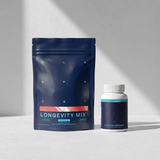
- Longevity Mix
- Creatine
- Longevity Protein mixed with Blueberry Nut Mix, Collagen Peptides, Extra Virgin Olive Oil, and berries
- Essential Capsules
- Advanced Antioxidants
- Ashwagandha + Rhodiola
- Omega-3
- NMN
What you should do
If you like it, drink coffee for the health benefits. That could be decaf or caffeinated, depending on your preference and tolerance.
Tips:
- timing: If you drink caffeinated coffee, drink it early. We recommend avoiding caffeine at least 8-10 hours before bed to avoid wrecking sleep.
- moderation: Most longevity benefits are seen at 1-4 cups a day. Beyond that, there may be little additional benefit.
- additions: Avoid sugar, flavored syrups, and cream. Go for black coffee or add milk or nut milk.
- decaf: Track your sleep. If caffeinated coffee disrupts it, switch to decaf. You’ll still get many health benefits. Protecting sleep is your #1 priority.
*These statements have not been evaluated by the Food and Drug Administration. This product is not intended to diagnose, treat, cure, or prevent any disease.


