











Is Muscle Linked to Longevity?
Written by Vanessa Gibbs • 11.13.2026
How much muscle you have, and how strong those muscles are, can predict how long you’ll live.
Your muscles make and release important proteins, and play a role in glucose metabolism.
In this blog post:
- muscle and longevity links
- how to measure muscle mass
- how to build muscle
- retaining muscle on GLP-1s
Why is muscle linked to longevity?
From age 30, you lose ~3-5% of your muscle mass per decade. That rate accelerates after 60. With less muscle, you gradually become weaker, less independent, and more likely to fall.
But that’s not the only reason that less muscle = worse health.
Skeletal muscle is the largest site of glucose disposal in the body. For example, 80% of the glucose your body clears after a meal is taken up by muscle tissue.
More healthy muscle gives your body greater capacity to clear glucose, which:
- supports insulin sensitivity
- helps maintain healthy blood sugar levels
- may reduce your risk of prediabetes
Your muscles are also in constant conversation with the rest of your body, working as endocrine organs.
When you contract a muscle, it releases signaling proteins called myokines. Myokines carry messages to organs like your brain, gut, liver, and skin.
Myokines influence:
- cognition
- lipid metabolism
- bone formation
- skin structure
- blood vessel function
- body weight regulation
- inflammation
- tumor growth
And it’s not just how much muscle you have… Muscle strength plays a role in longevity, too.
Grip strength, often used as a proxy for overall muscle strength, is inversely associated with markers of biological aging. (Stronger grip is linked to slower biological aging.) It can also be a better predictor of all-cause mortality than systolic blood pressure.
The effects aren’t small.
A 2026 study on ~5,500 older women found those in the strongest quarter for grip strength had a 30% lower risk of death from any cause compared to those in the weakest quarter.
This accounted for physical activity and sedentary time, suggesting the link isn’t just general exercise.
How to measure muscle mass
More precise ways to measure muscle mass use imaging tests such as:
- DEXA scans
- MRIs
- CT scans
You can also use smart scales to measure and track your muscle mass at home.
For example, Withings BodyScan 2 measures muscle and fat mass. It analyzes your arms, legs, and torso separately, so you can track where you’re gaining or losing muscle. Fat-mass measurements correlate ≥99% with clinical DEXA in internal testing.
For grip strength, you can test yours with a hand dynamometer. They cost ~$20.
Here’s what to aim for per age group.

How to build muscle
#1. Strength train
Strength training loads your muscles more than they’re used to. Your body responds to this strain by rebuilding muscles bigger and stronger.
Tips:
- aim for 2-3 strength training sessions per week.
- gradually increase the stimulus by lifting heavier weights or doing more reps. (This is known as progressive overload.)
- stop 1-3 reps short of failure. Pooled data from 15 studies found no evidence that grinding out that last rep builds more muscle.

#2. Eat enough protein
Your body uses protein to repair and build muscle.
Most people trying to maintain or build muscle should aim for 1.2-1.6 grams of protein per kilogram of body weight per day. To build muscle, aim toward the upper end of that range.
Get protein from:
- eggs
- nuts and seeds
- lean chicken and turkey breast
- legumes, like chickpeas, lentils, and beans
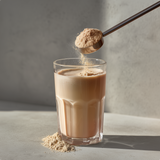
- clean protein powders
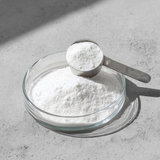
#3. Take creatine
Creatine helps your muscles regenerate energy during short, hard efforts. That lets you do a little more work each session, promoting more muscle gain.
Creatine supports:*
- muscle function
- muscle growth
- strength
- recovery between training sessions

#4. Get enough sleep
Missing out on sleep can interfere with muscle growth.
In a small study, acute sleep deprivation reduced muscle protein synthesis (the process of repairing and growing muscle) by 18%.
Tips:
- aim for 7-9 hours of sleep a night.
- avoid food 4+ hours before bed.
- create a calming 60-min wind-down routine.
- get light in eyes first thing to anchor your circadian rhythm.
#5. Consider prescription support for growth hormone production
Growth hormone declines ~15% every decade after 30. This hormone plays an important role in metabolism and muscle health.
Sermorelin is a peptide that prompts your body to release its own growth hormone. This may support muscle gain, as well as fat loss, sleep, and recovery.
You can access doctor-trusted peptides through Immortals Medicine.**
How to preserve muscle on a GLP-1
If you’re on a GLP-1, it’s even more important to keep an eye on your muscle mass.
Any weight loss comes with the risk of losing some muscle alongside fat. GLP-1-based weight loss can also include lean mass loss, so preserving muscle is important. Plus, with a lowered appetite, it’s harder to get in enough protein to feed those muscles.
Tips:
- protein first: Prioritize protein at the start of your meal, so you get enough in before you become full.
- snacks and shakes: If your appetite is really low, go for small meals, protein shakes, or high-protein snacks (like hard-boiled eggs, unsweetened yogurt, nuts, legumes, and protein bars).
- strength train: Strength train throughout GLP-1 treatment… and beyond. Make 2-3 sessions a week a habit, and work all muscle groups, including legs, arms, core, and back.
- glycine: Consider a compounded GLP-1 with glycine, if prescribed. Glycine may support muscle health during weight loss.
Muscle mass is a biomarker of aging. Make building and maintaining it part of your longevity protocol.
*These statements have not been evaluated by the Food and Drug Administration. This product is not intended to diagnose, treat, cure, or prevent any disease.
**Medication eligibility and prescriptions are determined solely by licensed medical providers based on clinical appropriateness. Not all individuals will qualify for medication-based treatment.
This content is intended for educational purposes only and is not intended to provide medical advice, diagnosis or treatment. Always consult a licensed healthcare professional before beginning any wellness program.
Compounded medications are not FDA-approved, and the FDA does not evaluate them for safety, effectiveness, or quality prior to use.


